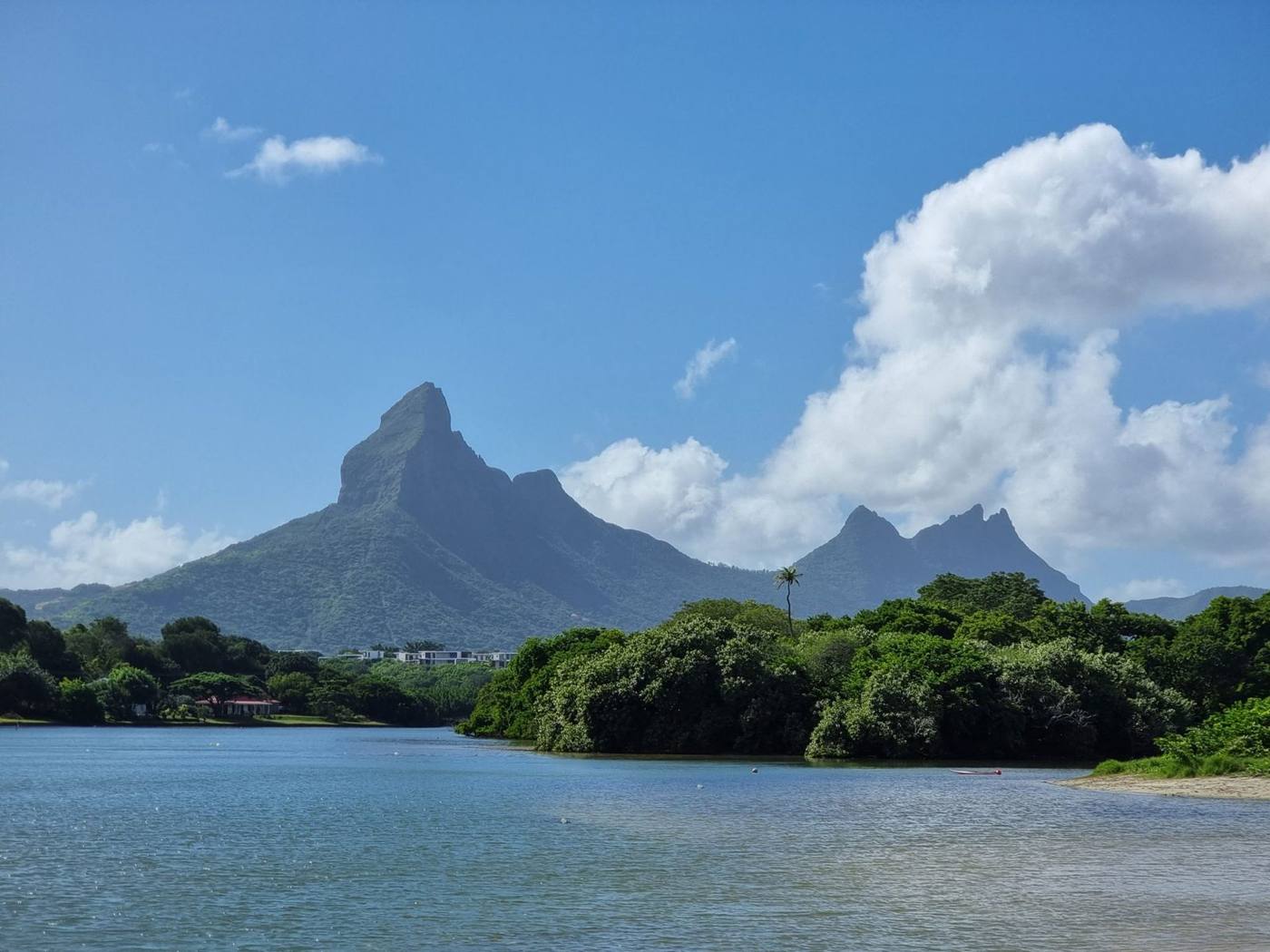
Hiking and nature
Climbs of Le Pouce and Pieter Both, the Black River park trails to the Piton, and the Tamarind and Rochester falls.
- Le Pouce
- Pieter Both
- Black River Peak
- Tamarind Falls
- Rochester Falls
Day by day
- Day 1
Le Pouce above Port Louis
This trip takes you along the trails of Mauritius, away from the beaches: the climbs of Le Pouce and Pieter Both, the Black River Gorges National Park up to its peak, and the waterfalls of Tamarind and Rochester. You get around by hire car or taxi.
Before you go: Italian citizens enter Mauritius with a passport valid for the whole stay, without a visa for short tourist trips; on arrival you may be asked for a return ticket and an accommodation booking. Before departure complete the Mauritius All in One Travel Form, the digital arrival form, online on the official government website. Other nationalities should check their own rules. The UK does not advise against any part of the country, but warns of the risk of landslides in heavy rain and cyclones, from November to April and sometimes until May.
Leave at dawn for the village of Le Pouce, on the plateau behind Port Louis. Le Pouce, 812 metres high, takes its name from its thumb-shaped summit. The path first climbs through sugar cane fields and woods, then along a grassy ridge. The last stretch is short but steep, with rocks where you use your hands.
From the top you see Port Louis and the harbour, the north coast with its islands and, inland, the Moka mountains and the outline of Pieter Both. The climb and descent usually take a few hours.
In the afternoon rest and prepare your rucksack for tomorrow.
Sleep in the centre of the island, for four nights.
Practical tip: start before seven, because from mid-morning clouds often cover the peaks and the heat makes the climb harder.
- Day 2
Black River Peak, the highest summit
Today you climb the highest summit of Mauritius, in the Black River Gorges National Park.
Early in the morning drive to the Pétrin plateau, in the south-west of the island, where there is a park information centre. The national park protects one of the last large native forests of the island, with ebony trees, palms and plants that grow only here.
The path to Black River Peak, 828 metres high, starts near the road and follows a ridge between the forest and the deep gorges. At first it is easy, then it climbs with steep stretches and roots. At the top there is a small platform with an immense view: the green gorges running down to the sea, the west coast with the lagoon of Tamarin and, on clear days, Le Morne Brabant.
In the park you can see some of the rarest birds in the world, saved from extinction in recent decades: the Mauritius kestrel, the pink pigeon and the echo parakeet, green with a long tail. You will also see monkeys, macaques brought to the island centuries ago.
On the way back stop at the gorges viewpoint and at the Alexandra Falls viewpoint, both near the road, with views over the forest.
Sleep in the centre of the island.
Practical tip: bring a light waterproof jacket, because it often rains on the plateau and the temperature is much cooler than on the coast, even in summer.
- Day 3
The seven waterfalls of Tamarind
Today you go down along the river to the seven waterfalls of Tamarind, one of the most spectacular routes on the island.
The Tamarind Falls, also called Sept Cascades, are in the centre-west, near the village of Henrietta and the Tamarind reservoir. The river drops from the plateau in seven successive falls, between basalt walls and forest.
Leave in the morning with a qualified local guide. The path is not always marked and crosses private land, with steep stretches, slippery rocks and river crossings. From the viewpoint at the top you see some of the waterfalls dropping into the gorge. With the guide you can go down to the first pools, where the water is cool and clear. The harder descents down the walls, with ropes, are only for those with experience and equipment. Check prices and times.
Always listen to the guide about where to swim. After heavy rain, even far away, the river level can rise very quickly: in that case do not get into the water and move away from the riverbed.
In the afternoon return slowly and rest. In the evening have an Indo-Mauritian dinner: a vegetable curry, rougaille, a sauce of tomato, garlic, ginger and thyme, and farata, Indian flatbreads.
Sleep in the centre of the island.
Practical tip: wear hiking boots with a sole that grips well on wet rock and bring a waterproof bag for your phone and documents.
- Day 4
Pieter Both with a guide and Rochester Falls
Today you take on the most famous mountain on the island and then go south to Rochester Falls.
Pieter Both, 820 metres high, is the second highest summit in Mauritius. On top there is a large round boulder balanced on the rock, which from a distance looks like a head. The path starts from the area of Crève Coeur and La Laura, in the centre-north, and climbs through the forest to the neck of the mountain. Up to here the walk is demanding but involves no climbing. The final section, up to the head, requires climbing with ropes, harness and helmet, and is done only with an experienced and certified guide. Check prices and times.
Start at dawn, because clouds often arrive by mid-morning. From the neck you see Le Pouce, Port Louis, the north coast and the sugar cane plains.
After lunch drive south, for about an hour and a half, to Souillac. Near the village, among the cane fields, you find Rochester Falls: the water drops over a wall of square basalt columns, formed by cooled lava. A short path leads to the pool at the base.
Before returning go to the cliff of Gris Gris, a few minutes away, where there is no coral reef and the ocean waves crash with force on the rocks. Swimming is not possible here.
Sleep in the centre of the island.
Practical tip: at Rochester Falls local boys sometimes dive in and then ask for money: you are not obliged to pay and do not copy them.
- Day 5
Departure
Today is the last day and you leave Mauritius.
If you have an afternoon flight, take an easy walk in the morning around Trou aux Cerfs, the crater of an extinct volcano in the middle of the town of Curepipe. A road and a circular path run around the rim of the crater, covered in forest, with views over the mountains of the centre and, on clear days, the coast. It is a short walk, suitable for tired legs after four days of trails.
Then leave for the airport, in the south-east, about half an hour to three quarters of an hour by road from the centre of the island.
In five days you have seen a different Mauritius, for those who do not want only beaches: the thumb-shaped summit of Le Pouce, the forest and the highest peak of the Black River Gorges National Park, the seven waterfalls of Tamarind, Pieter Both with its head of rock, the basalt columns of Rochester Falls and the cliff of Gris Gris.
When to go: from May to November, in the southern winter, with cooler temperatures, less rain and less humidity. From December to April it is very hot, it rains more and there is a risk of cyclones: in those months always start at dawn and find out about the condition of the trails.
Practical tip: before every walk tell someone your route and return time, and save the emergency number on your phone.
A different Mauritius, for those who want more than beaches. The Pieter Both summit requires climbing and an experienced guide. Summer is very hot: start at dawn.
Before you go
- Documents and visa
- Passport valid for the whole stay, with one blank page, and no visa for short tourist trips. On arrival you may be asked for a return or onward ticket, an accommodation booking and sufficient funds. Before departure complete the Mauritius All in One Travel Form, the digital arrival form, online on the official government website: beware of unofficial websites.
- Health and vaccines
- No compulsory vaccinations if you arrive from Europe; a yellow fever certificate is required only from travellers arriving from countries at risk. There is no malaria, but there are dengue and chikungunya, with many cases in 2026: protect yourself from mosquitoes, also during the day. Drink bottled water.
- Money and payments
- Mauritian rupee. Cards work almost everywhere in tourist areas and cash machines are common; in markets and small places you need cash.
- Power sockets
- Type C and type G, 230 volts: UK plugs fit type G sockets, for type C you need an adapter.
- Time zone
- UTC+4 all year.
- Safety
- No areas are advised against. In October 2026 there were protests and temporary curfews, since lifted: avoid demonstrations and large gatherings. Petty theft in tourist areas, especially Port Louis, Grand Baie and Flic en Flac; do not walk alone on beaches at night. The cyclone season runs from November to April, sometimes until May: during a cyclone you cannot leave your accommodation. For sea activities choose operators licensed by the Ministry of Tourism. Driving is on the left. Official advice: GOV.UK.
Information checked in November 2026 for Italian and EU citizens. Rules change: always check before you travel.
Variations
In 3 days: Le Pouce, Black River Peak and the Tamarind waterfalls, without Pieter Both.
In 7 days: add the climb of Le Morne Brabant, in the south-west, and a day of rest on the beach of Le Morne.
Frequently asked questions
Can you climb Pieter Both on your own?
Up to the neck of the mountain the path is demanding but involves no climbing. The final section to the head of rock requires ropes, harness and helmet and is done only with an experienced and certified guide.
What is the highest mountain in Mauritius?
It is Black River Peak, 828 metres high, in the Black River Gorges National Park. The path starts from the Pétrin plateau and follows a ridge between the forest and the gorges.
What documents do I need for Mauritius?
Italian citizens enter with a passport valid for the whole stay, without a visa for short tourist trips, and complete the digital arrival form online. Other nationalities should check their own rules.
Indicative itinerary written by World Atlas. Before booking, check timetables, seasonal openings, documents and safety.
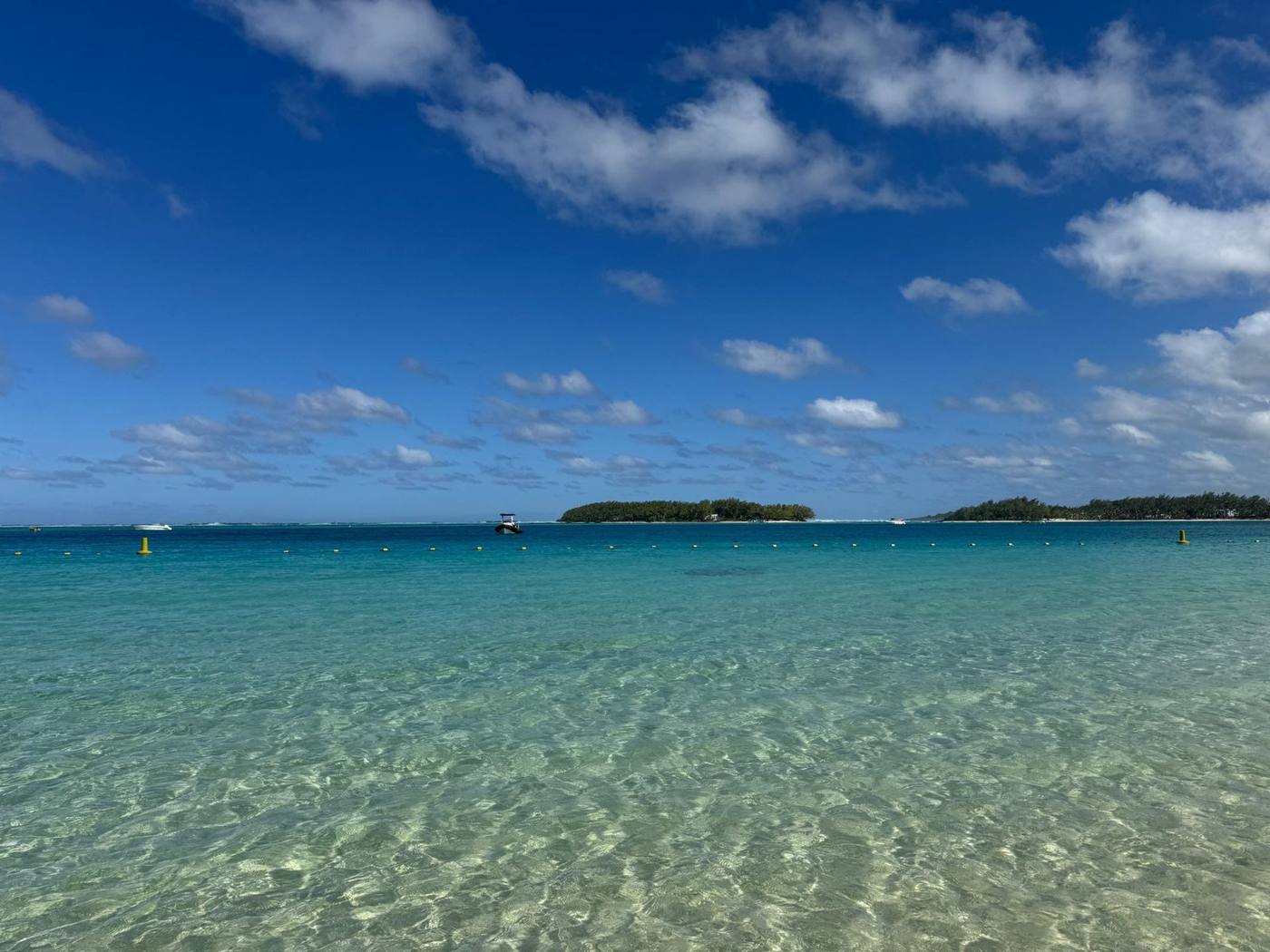 5 daysEasy
Diving and snorkelling
Blue Bay marine park, the reef at Flic en Flac with the Cathedral dive, the wrecks off Grand Baie and the northern islands such as Coin de Mire.
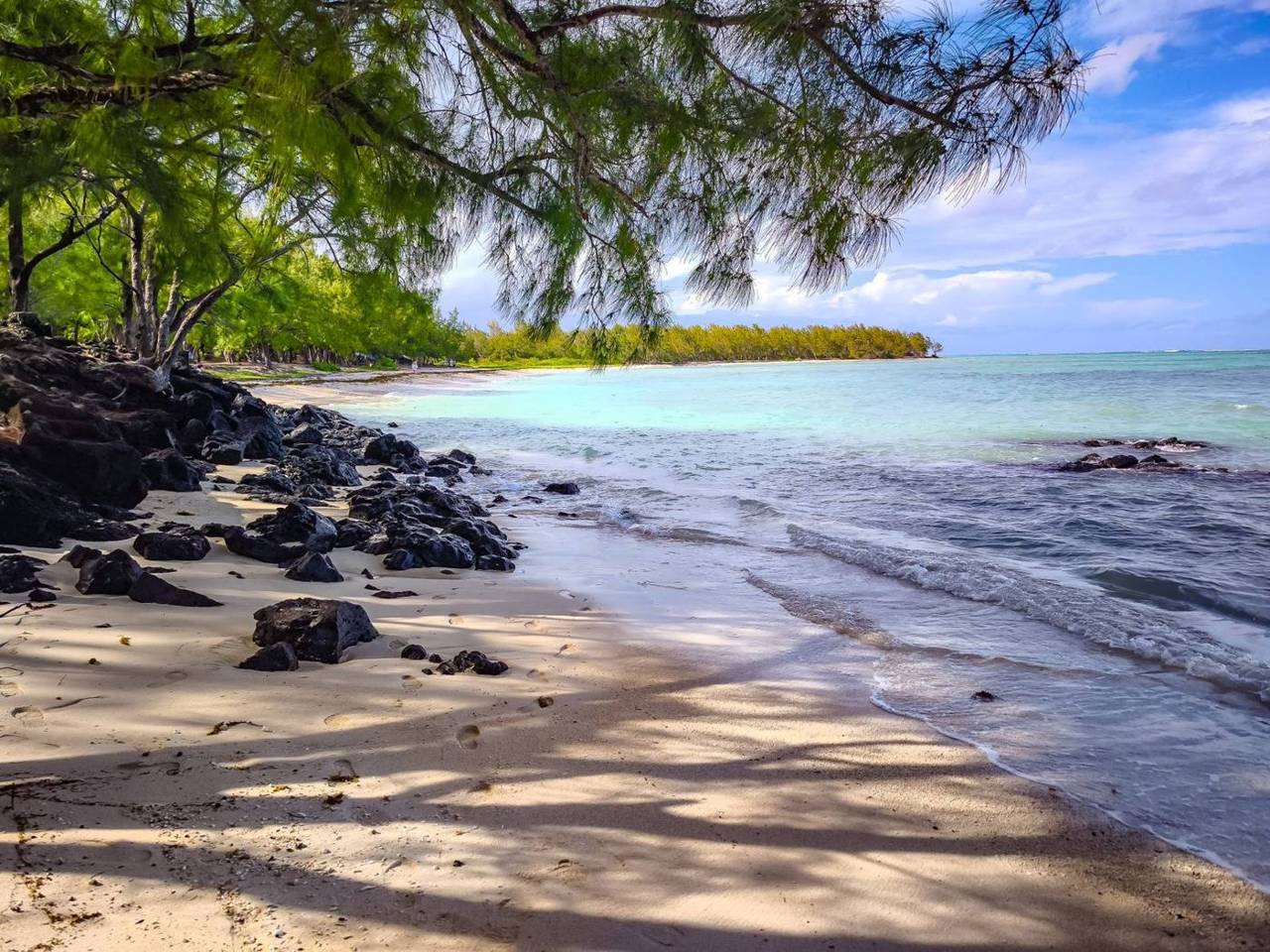 3 daysEasy
The east coast and Île aux Cerfs
The long beaches of Belle Mare, the catamaran to Île aux Cerfs, the Grand River South East waterfall and the fishing village of Trou d'Eau Douce.
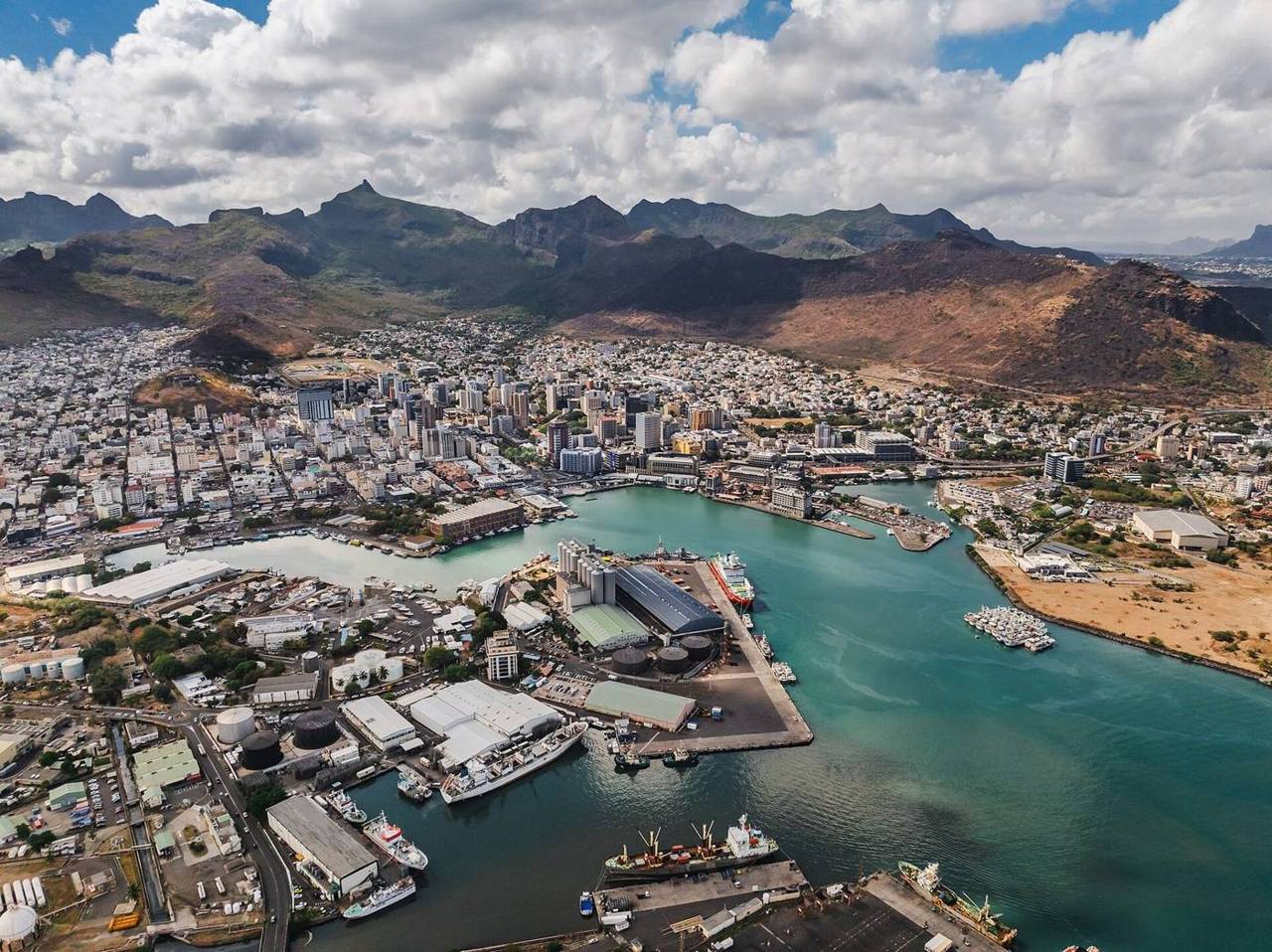 2 daysEasy
Port Louis and Creole food
The multicultural capital: the central market, UNESCO-listed Aapravasi Ghat, Chinatown, the Caudan waterfront and street food, from dholl puri to gâteau piment.