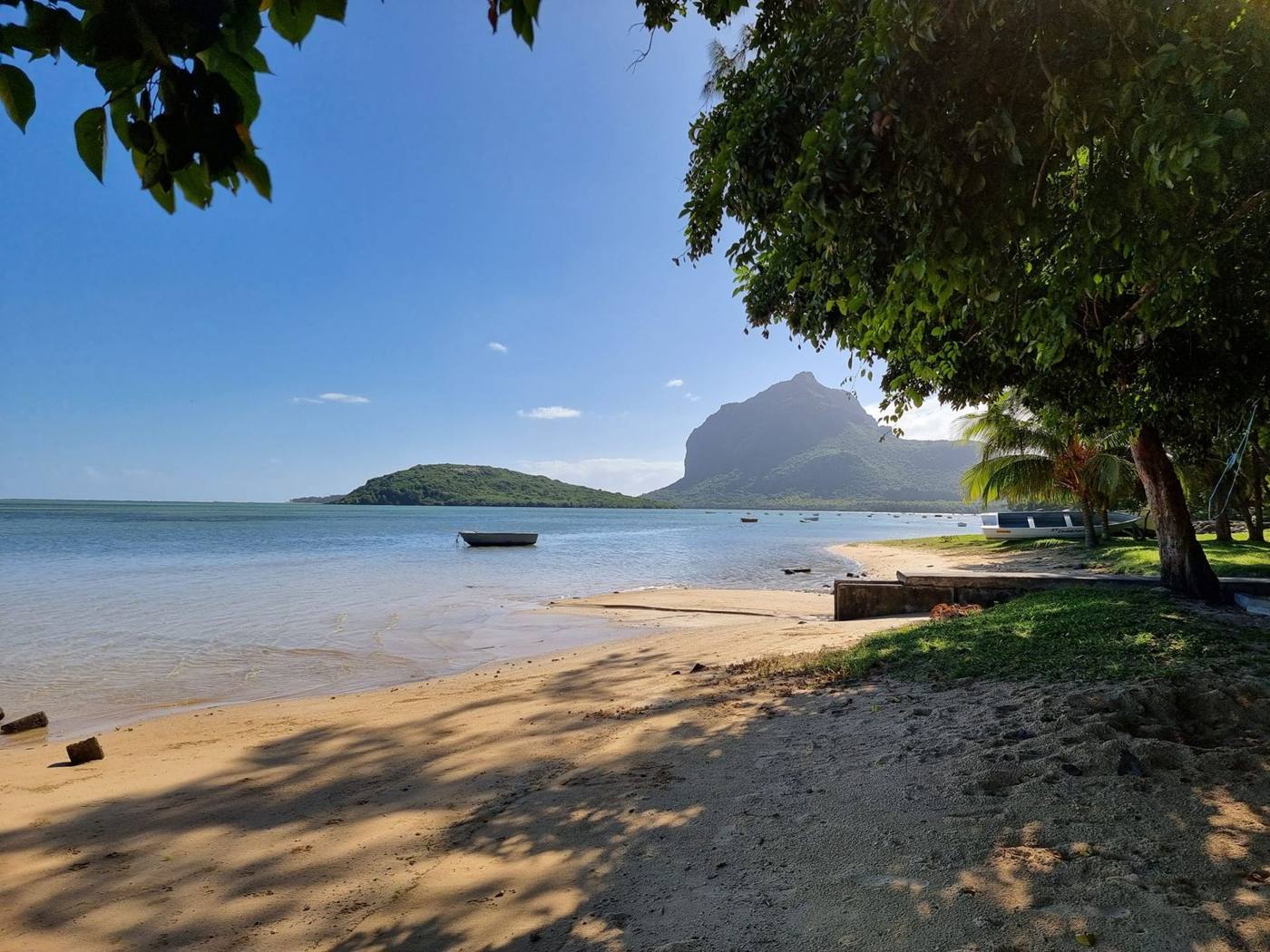
Around the island
The lagoons of Belle Mare and Le Morne, the Seven Coloured Earth of Chamarel, the Black River Gorges, Port Louis and the Pamplemousses garden.
- Port Louis
- Pamplemousses
- Belle Mare
- Île aux Cerfs
- Chamarel
- Black River
- Le Morne
Day by day
- Day 1
Arrival on the east coast and Belle Mare
This trip is the full tour of Mauritius: the lagoons of Belle Mare and Le Morne, Île aux Cerfs, Port Louis and the Pamplemousses garden, the Black River Gorges and the seven coloured earth of Chamarel. You get around by hire car, driving on the left, or with a driver.
Before you go: Italian citizens enter Mauritius with a passport valid for the whole stay, without a visa for short tourist trips; on arrival you may be asked for a return ticket and an accommodation booking. Before departure complete the Mauritius All in One Travel Form, the digital arrival form, online on the official government website. Other nationalities should check their own rules. The UK does not advise against any part of the country; in October 2026 there were protests and temporary curfews, since lifted: avoid demonstrations. The cyclone season runs from November to April, sometimes until May. In 2026 there have been many cases of chikungunya and dengue: protect yourself from mosquitoes.
You land at the airport, in the south-east, and in less than an hour you reach Belle Mare, on the east coast. The public beach is kilometres long, with white sand, filaos giving shade and a turquoise lagoon protected by the coral reef.
Rest after the flight and have your first swim in the lagoon, with its shallow, calm water. At sunset walk along the shore, when the light turns golden.
Sleep in Belle Mare, for two nights.
Practical tip: in the lagoon wear water shoes, because there are sea urchins and pieces of coral on the bottom.
- Day 2
By boat to Île aux Cerfs
Today you go out by boat to Île aux Cerfs, the island of white beaches off the east coast.
Leave early for Trou d'Eau Douce, a fishing village a quarter of an hour south of Belle Mare, where the boats leave for the island. Choose a trip early in the morning, because by midday Île aux Cerfs is very crowded. For sea trips choose operators licensed by the Ministry of Tourism, with life jackets for everyone. Check prices and times.
The boat crosses the turquoise lagoon, with snorkelling stops near the reef, where you swim among parrotfish and surgeonfish. Many trips also go up the estuary of the Grand River South East to a waterfall that drops between dark rocks and vegetation.
On the island walk towards the beaches furthest from the jetty, where there are fewer people, and swim in the shallow, clear lagoon.
In the afternoon return to Trou d'Eau Douce and stop at Poste de Flacq, a little north of Belle Mare, where a white Hindu temple stands on an islet linked to the shore by a walkway.
In the evening have a Creole dinner: an octopus curry or a fish rougaille, the sauce of tomato with garlic, ginger and thyme, with rice and lentils.
Sleep in Belle Mare.
Practical tip: use a reef-safe sun cream and a swim shirt, because on the boat the sun is very strong even when it is windy.
- Day 3
Port Louis and the Pamplemousses garden
Today you cross the island to the north-west and visit the Pamplemousses garden and the capital.
Early in the morning drive for about an hour to Pamplemousses and visit the botanical garden, created in the eighteenth century. You walk along avenues of palms of many species, spice trees, ebonies and banyans. The most famous pond holds the giant Amazon water lilies, with round leaves as wide as tables. Nearby live some giant tortoises. Check prices and times.
Then continue to Port Louis, about twenty minutes away. Go into the central market, with fruit, spices and herbs, and try dholl puri, a thin yellow split pea flatbread with bean curry, the favourite breakfast of Mauritians.
Walk to Aapravasi Ghat, by the harbour, listed by UNESCO. Here, in the nineteenth century, hundreds of thousands of indentured labourers landed, mostly from India, brought to work on the sugar cane plantations after the end of slavery. It is the story of the origins of a large part of today's Mauritians. Check prices and times.
In the afternoon stroll through Chinatown and then along the Caudan, the waterfront by the harbour.
In the evening continue to the south-west, to Chamarel or the Black River area, about an hour by road.
Sleep in the south-west, for one night.
Practical tip: in Port Louis keep your bag closed and in front of you, because pickpocketing is common in the market and in crowded streets.
- Day 4
The Black River Gorges and Chamarel
Today you explore the mountains of the south-west, between the national park and the colours of Chamarel.
Early in the morning go to the Black River Gorges National Park, which protects one of the last large native forests of the island. Stop at the gorges viewpoint, from where you see the deep forested valleys running down to the sea. If you feel like walking, follow a stretch of one of the park's trails: with a little luck you see the Mauritius kestrel or the pink pigeon, very rare birds saved from extinction in recent decades. Stop also at the Alexandra Falls viewpoint.
Then go down towards Chamarel, a village in the hills. Visit the Chamarel waterfall, one of the highest on the island, which drops in a single fall from a basalt wall in the middle of the forest, seen from a viewpoint.
A little further on you find the seven coloured earth, a small area of dunes where the volcanic soil, rich in minerals, has taken on shades of red, purple, brown, yellow and green. The colours are strongest in the morning or late afternoon sun. Some giant tortoises also live in the park. Check prices and times.
In the afternoon go down to the coast along the mountain road, with views over the lagoon of Le Morne, to the village of Le Morne.
Sleep in Le Morne, for three nights.
Practical tip: the mountain road between Chamarel and the coast has many tight bends: drive slowly, with your lights on if there is fog, and do not drive at night.
- Day 5
Le Morne: the beach and the memory
Today you enjoy the beach of Le Morne and discover the story of the mountain.
In the morning go down to the public beach of Le Morne, one of the most beautiful on the island, with white sand, filaos and a huge lagoon, protected by the coral reef. In front of it rises Le Morne Brabant, a basalt mountain 556 metres high, with cliffs dropping sheer to the sea.
Swim in the areas marked for swimmers, because part of the lagoon is reserved for kitesurfing: from May to November the trade winds blow and colourful kites rise over the water almost every afternoon.
In the afternoon visit the Slave Route monument, at the foot of the mountain. Le Morne is a cultural landscape listed by UNESCO: in the eighteenth and nineteenth centuries slaves who escaped from the plantations took refuge in the caves and on the cliffs of the mountain. A tradition says that when news of the end of slavery arrived in 1835, some of them, seeing soldiers approaching, thought they were about to be captured and threw themselves from the rocks. For Mauritians the mountain is a symbol of freedom and resistance.
At sunset walk along the beach towards the point, where the mountain is reflected in the water of the lagoon.
In the evening ask whether there is a sega evening in the nearby villages, the traditional music and dance born among the slaves, with drums and songs in Creole.
Sleep in Le Morne.
Practical tip: keep an eye on your belongings on the beach and in the car, and do not leave valuables visible on the seats.
- Day 6
The climb of Le Morne Brabant
Today you climb Le Morne Brabant at dawn, to see the lagoon from above.
Leave before dawn, with a qualified local guide. The path first climbs gently through low vegetation, then becomes steep and rocky, with stretches where you use your hands to climb. The upper part should only be done with the guide. Before leaving, find out about access conditions, because some sections can close after landslides. Check prices and times.
The climb takes a few hours there and back, with stops. From the cross on the ridge you see one of the most famous views in Mauritius: the turquoise lagoon with its shades of blue and green, the white line of the waves on the coral reef, Île aux Bénitiers and, to the north, the green mountains of the west coast.
Come down slowly, because the rocks are harder on the way down, and return to the beach for a swim in the lagoon.
In the afternoon rest in the shade of the filaos. If you still have energy, try a stand up paddle or snorkelling lesson in the lagoon, in the marked areas. Check prices and times.
In the evening try briani, spiced rice with meat or fish brought by Indian labourers, or a fish curry with farata, Indian flatbreads.
Sleep in Le Morne.
Practical tip: do not climb after rain, because the rocks become slippery, and carry at least two litres of water each, a hat and shoes with a good sole.
- Day 7
Dolphins in the morning and the bay of Tamarin
Today you see dolphins early in the morning on the west coast and discover the bay of Tamarin.
In the bay of Tamarin and off the west coast live groups of dolphins, which come close to the shore early in the morning to rest. Boat trips to see them leave at dawn from the nearby villages. Swimming with dolphins is often far too crowded, with many boats chasing the same animals: choose operators who respect distances, do not chase the dolphins and limit the number of boats. You can also watch them only from the boat, without getting into the water. Check prices and times.
Return by mid-morning and pass by the salt pans of Tamarin, where seawater evaporates in shallow basins and workers collect the salt by hand.
In the afternoon have a last swim in the lagoon of Le Morne or go to La Gaulette, a Creole fishing village at the foot of the mountains, with small colourful houses and boats in the bay.
The bay of Tamarin, at the mouth of a river, is also one of the few places on the island with waves for surfing: in the late afternoon watch the local surfers waiting for the right set.
At sunset go back to the beach of Le Morne and watch the sun go down into the ocean beyond the reef.
Sleep in Le Morne.
Practical tip: on the boat stay seated when you approach the dolphins, keep quiet and do not try to touch them: if the animals move away, let them go.
- Day 8
Grand Bassin and departure
Today you cross the south of the island and leave Mauritius.
In the morning leave Le Morne and climb towards the plateau of the centre-south. Stop at Grand Bassin, a lake in a crater among the hills, sacred to the Hindus of Mauritius. Around the lake there are colourful temples and a large statue of Shiva. Every year, for the festival of Maha Shivaratri, thousands of pilgrims come here on foot, dressed in white. Enter the temples barefoot, with shoulders and legs covered.
If you have time, go down south to the cliff of Gris Gris, near Souillac, where there is no coral reef and the waves crash with force on the rocks. Swimming is not possible here.
Then continue to the airport, in the south-east, less than an hour by road.
In eight days you have toured Mauritius: the lagoon of Belle Mare and Île aux Cerfs, the Pamplemousses garden, Port Louis and Aapravasi Ghat, the Black River Gorges, the waterfall and seven coloured earth of Chamarel, the beach and the climb of Le Morne Brabant, the dolphins of Tamarin and the sacred lake of Grand Bassin.
When to go: from May to December, with less heat and less rain; from September to December the sea is often calm. From June to August the east coast is windier. From January to March the risk of cyclones is higher.
Practical tip: return the hire car at the airport with a full tank and plenty of time to spare, because traffic towards the south-east can be slow.
Much more than resort beaches, with good Creole and Indian food. Dolphin swims are often too crowded: choose operators who keep their distance. January to March carries a cyclone risk.
Before you go
- Documents and visa
- Passport valid for the whole stay, with one blank page, and no visa for short tourist trips. On arrival you may be asked for a return or onward ticket, an accommodation booking and sufficient funds. Before departure complete the Mauritius All in One Travel Form, the digital arrival form, online on the official government website: beware of unofficial websites.
- Health and vaccines
- No compulsory vaccinations if you arrive from Europe; a yellow fever certificate is required only from travellers arriving from countries at risk. There is no malaria, but there are dengue and chikungunya, with many cases in 2026: protect yourself from mosquitoes, also during the day. Drink bottled water.
- Money and payments
- Mauritian rupee. Cards work almost everywhere in tourist areas and cash machines are common; in markets and small places you need cash.
- Power sockets
- Type C and type G, 230 volts: UK plugs fit type G sockets, for type C you need an adapter.
- Time zone
- UTC+4 all year.
- Safety
- No areas are advised against. In October 2026 there were protests and temporary curfews, since lifted: avoid demonstrations and large gatherings. Petty theft in tourist areas, especially Port Louis, Grand Baie and Flic en Flac; do not walk alone on beaches at night. The cyclone season runs from November to April, sometimes until May: during a cyclone you cannot leave your accommodation. For sea activities choose operators licensed by the Ministry of Tourism. Driving is on the left. Official advice: GOV.UK.
Information checked in November 2026 for Italian and EU citizens. Rules change: always check before you travel.
Variations
In 5 days: the east coast with Île aux Cerfs, Chamarel and two days at Le Morne, without Port Louis and Pamplemousses.
In 12 days: add three days on Rodrigues, with the flight from Mauritius, the coastal path and Île aux Cocos.
Frequently asked questions
How many days do you need to tour Mauritius?
With eight days you see the east coast, Port Louis, the Black River park, Chamarel and Le Morne without rushing. The island is small, but the roads are slow.
Is it right to swim with dolphins in Mauritius?
The swims are often far too crowded. If you want to see them, choose operators who respect distances and do not chase the animals, or watch them only from the boat.
What documents do I need for Mauritius?
Italian citizens enter with a passport valid for the whole stay, without a visa for short tourist trips, and complete the digital arrival form online. Other nationalities should check their own rules.
Indicative itinerary written by World Atlas. Before booking, check timetables, seasonal openings, documents and safety.
 5 daysEasy
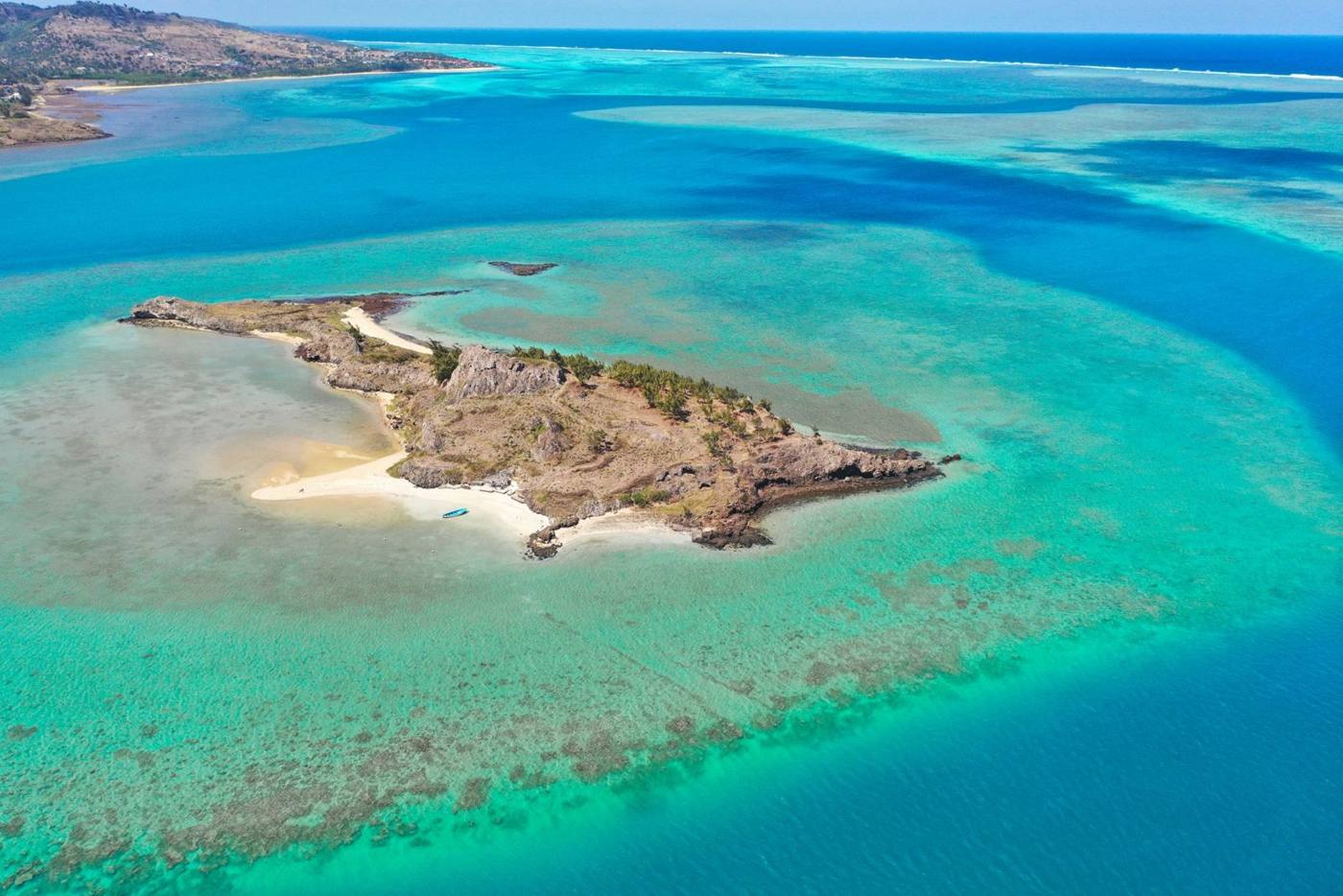
Rodrigues
The remote island of the Republic of Mauritius: the coastal path from Graviers to Trou d'Argent, the giant tortoises of François Leguat and the Île aux Cocos lagoon.
 5 daysModerate
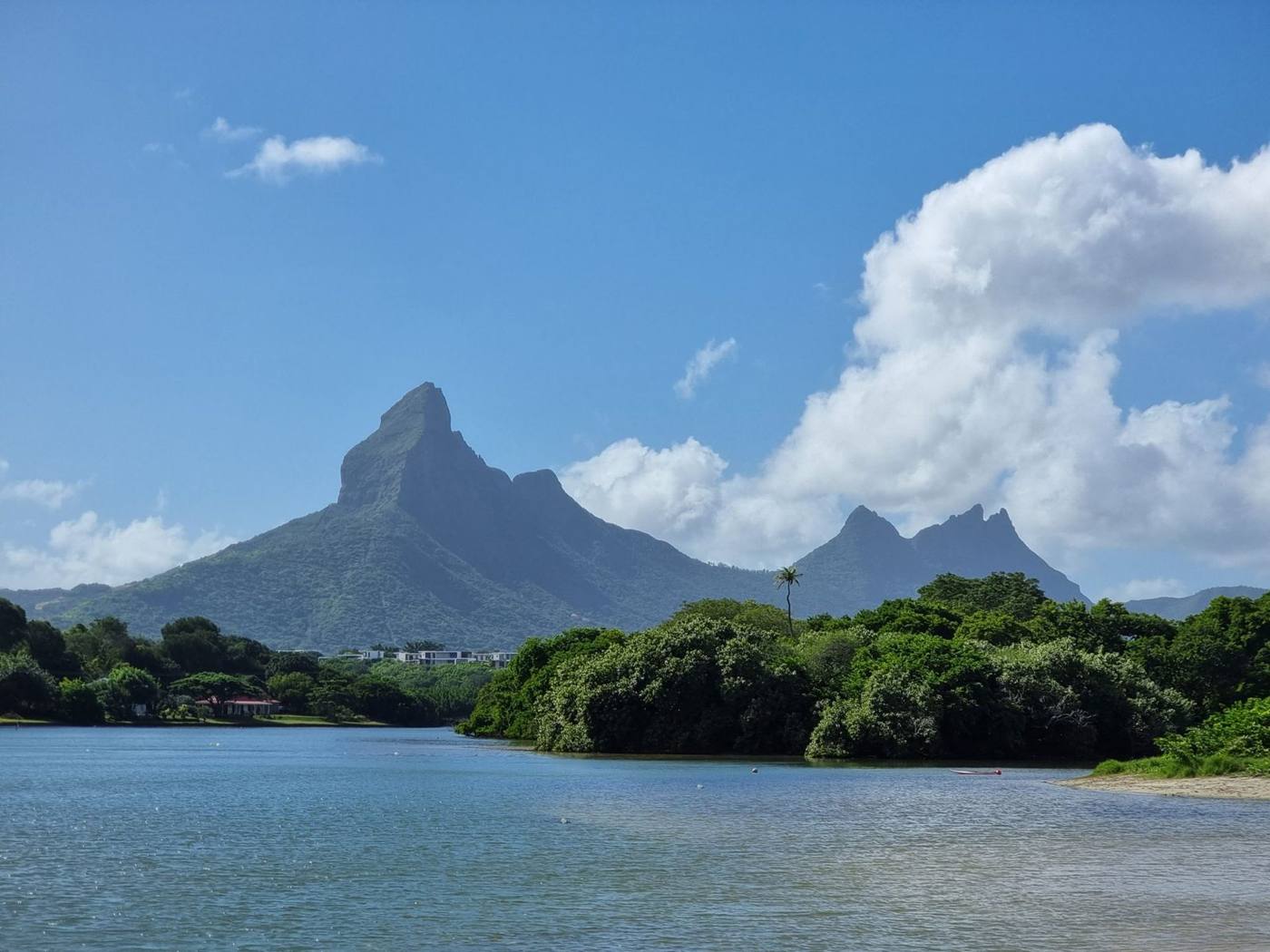
Hiking and nature
Climbs of Le Pouce and Pieter Both, the Black River park trails to the Piton, and the Tamarind and Rochester falls.
 5 daysEasy
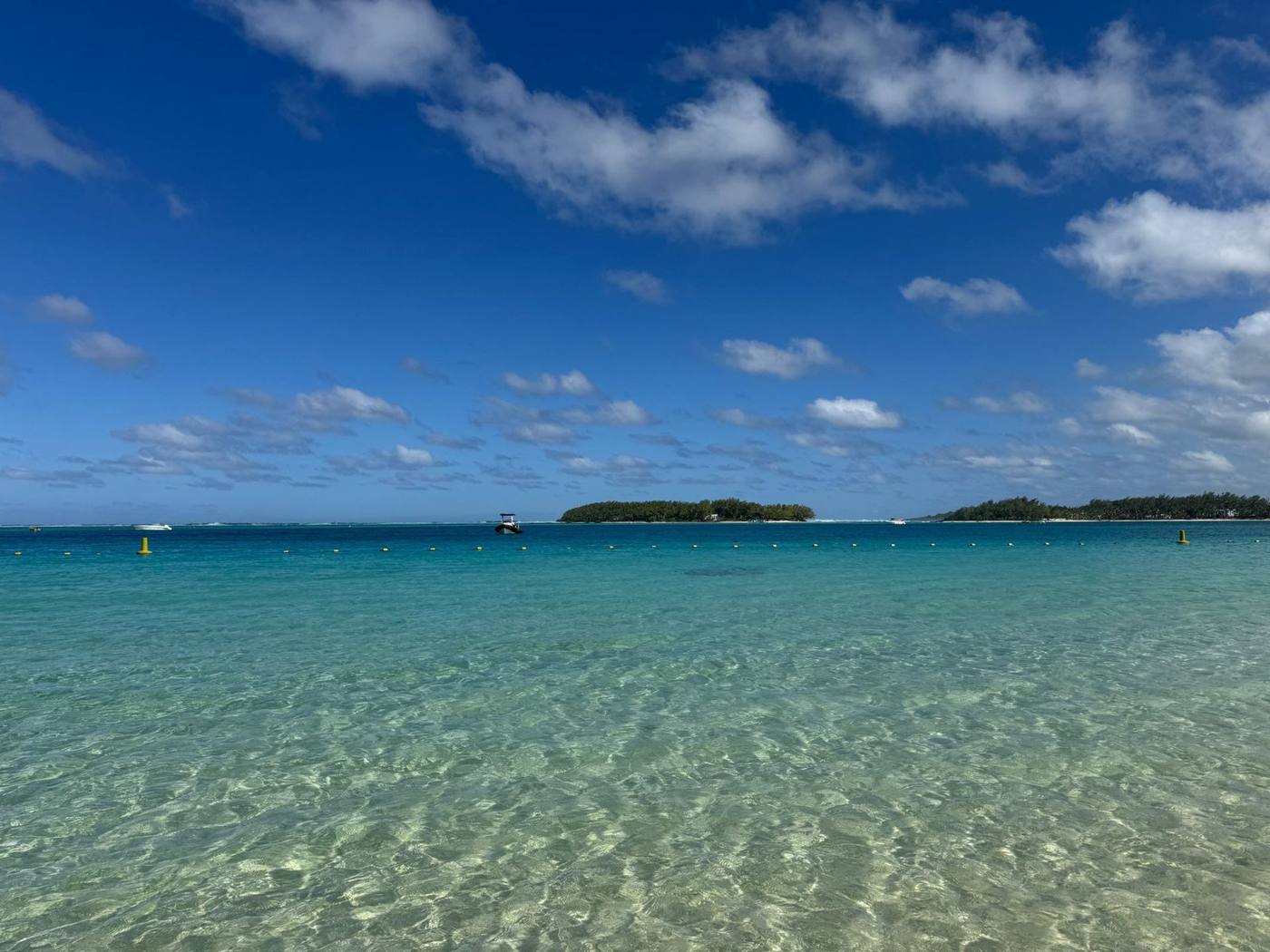
Diving and snorkelling
Blue Bay marine park, the reef at Flic en Flac with the Cathedral dive, the wrecks off Grand Baie and the northern islands such as Coin de Mire.