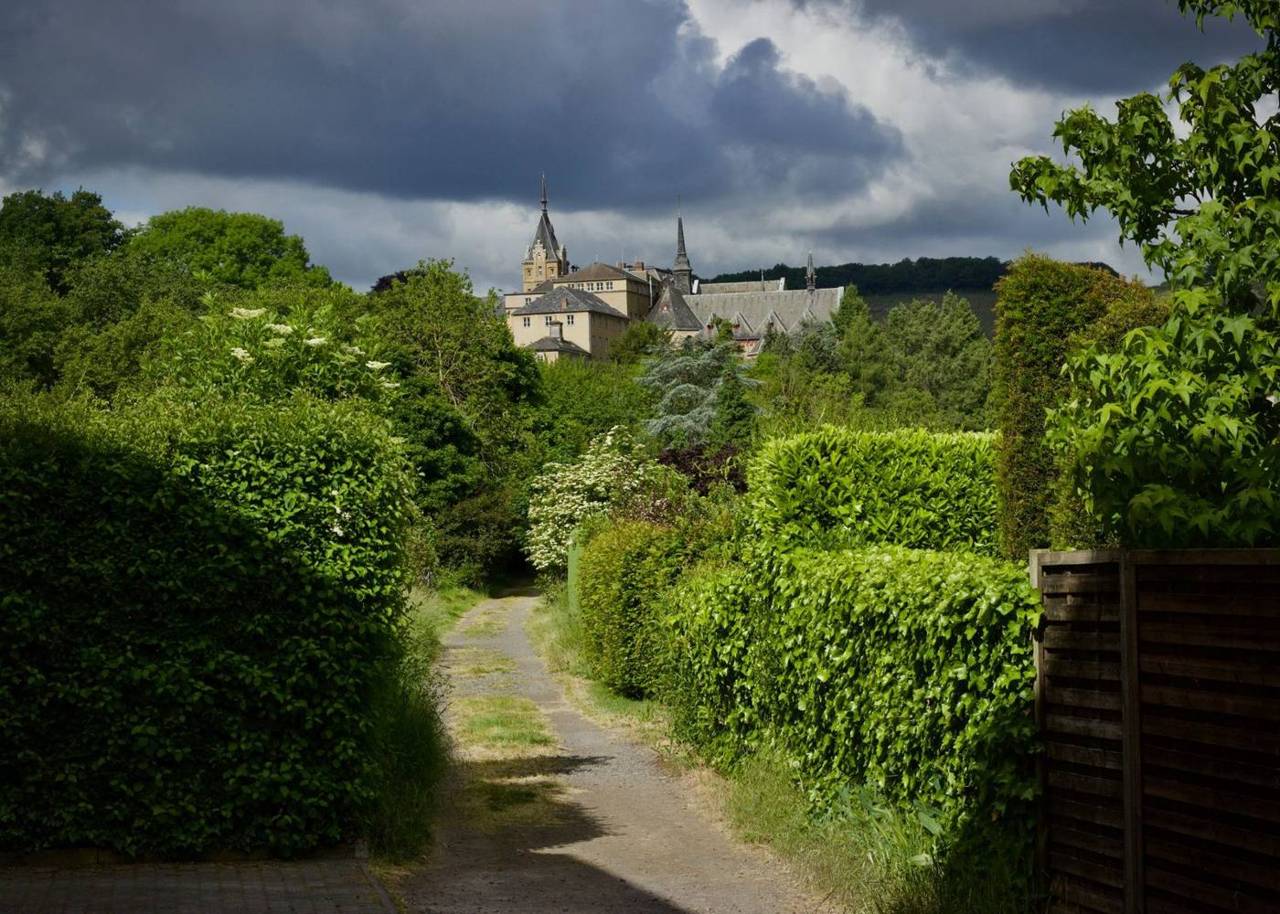
The Valley of the Seven Castles
A walking or cycling route in the Eisch valley through Mersch, Schoenfels, Hollenfels, the two castles of Ansembourg, Septfontaines and Koerich.
- Mersch
- Schoenfels
- Hollenfels
- Ansembourg
- Septfontaines
- Koerich
Day by day
- Day 1
From Mersch to Hollenfels and the Ansembourg gardens
This quiet weekend follows the valley of the Eisch and its tributaries, half an hour from the capital, among woods, meadows and small castles. It is called the Valley of the Seven Castles: Mersch, Schoenfels, Hollenfels, the two castles of Ansembourg, Septfontaines and Koerich. The path that links them is about 37 kilometres long and splits nicely into two days, on foot or by bike.
Before you go: Italian citizens enter Luxembourg with an electronic identity card or a passport: the country is in the European Union and the Schengen area. Italian paper identity cards are no longer valid for travel abroad from 3 August 2026. Other nationalities should check their own rules. Luxembourg is very safe. Since 1 March 2020 buses, trams and second class trains need no ticket anywhere in the country: first class must be paid for.
Take the train to Mersch, in the centre of the country, about twenty minutes from the capital. Mersch castle, in the town centre, now houses council offices. Leave the town heading south-west and climb through the woods to Schoenfels, with its restored square tower, in the middle of a nature reserve of rocks and beeches.
Continue to Hollenfels, where the medieval keep looks down over the valley from a rocky spur. Then go down towards Ansembourg. The old castle, on the hill, is private and seen from outside. The new castle, lower down, has baroque gardens open to the public, with fountains, statues and clipped hedges. Check opening times.
Sleep in the area, where accommodation is scarce and must be booked, or return to the capital by bus.
Practical tip: bring a packed lunch; the villages along the path are small and places to eat often close on weekdays.
- Day 2
Septfontaines and the ruins of Koerich
On the second day, follow the Eisch valley west, among meadows and beech woods, to Septfontaines. The name comes from the seven springs that rise at the foot of the village. The castle ruins stand on a crag above the houses, next to the church. Climb to the top to see the valley, then look for the springs in the village centre.
From Septfontaines the path climbs onto the plateau and then descends towards Koerich. Here you find the last castle, the Grevenschlass, a ruined Gothic castle with high walls and a tower, partly restored. Next to it is the baroque church of Saint Remigius, with its decorated interior. Check prices and times.
From Koerich, take the bus back to the capital.
In these two days you have seen Mersch, the tower of Schoenfels, the keep of Hollenfels, the two castles of Ansembourg with their baroque gardens, the ruins of Septfontaines and the Grevenschlass of Koerich. Many castles are private and seen from outside, but the valley is worth it for the woods and villages alone.
When to go: from April to October. In spring the woods are green and full of flowers, in autumn the beeches turn red and yellow. After rain the path can be muddy.
Practical tip: by bike the route has some steep climbs; choose a bike with gears or an e-bike. On Luxembourg trains bikes travel with no ticket, if there is room.
A quiet weekend half an hour from the capital, among woods and small castles. Many of the castles are private and seen from outside; the Ansembourg gardens are open to the public. The trail is well marked and suitable for families too.
Before you go
- Documents and visa
- EU citizens need a valid identity card or passport: Luxembourg is in the EU and the Schengen area. Always carry your document. Other nationalities should check the Schengen rules.
- Health and vaccines
- No vaccines required. EU citizens should bring their EHIC. Emergencies: 112; police 113.
- Money and payments
- Euro. Cards are accepted almost everywhere, even for small amounts. The country is expensive, above all for accommodation and eating out.
- Power sockets
- Types C and F, 230 volts: you need an adapter for British plugs.
- Time zone
- Central European Time (UTC+1, summer UTC+2), one hour ahead of the UK.
- Safety
- A very safe country: the United States has rated it level 1 since 8 April 2026. Watch out for pickpockets at the main railway station, on buses and at tourist sites. In the north and east, unexploded ordnance from both world wars remains in woods and fields: stay on marked paths and do not touch metal objects. Since 1 March 2020 buses, trams and second class trains need no ticket anywhere in the country; first class and journeys beyond the border must be paid for. Official advice: GOV.UK.
Information checked in November 2026 for Italian and EU citizens. Rules change: always check before you travel.
Variations
In 1 day: from Mersch to Ansembourg, with the gardens of the new castle.
In 3 days: add a day in the capital or a walk in the Mullerthal.
Frequently asked questions
Can you do the route without a car?
Yes. Mersch has a station on the northern line and Koerich is linked to the capital by bus. In second class no ticket is needed.
Can you visit the castles?
Many are private and seen from outside. The gardens of the new castle of Ansembourg are open to the public, and the ruins of Koerich and Septfontaines can be seen up close.
Is the path suitable for families?
Yes, it is well marked and has no technical difficulties. The stages are long for children: you can shorten them and use buses between villages.
Indicative itinerary written by World Atlas. Before booking, check timetables, seasonal openings, documents and safety.
 3 daysEasy
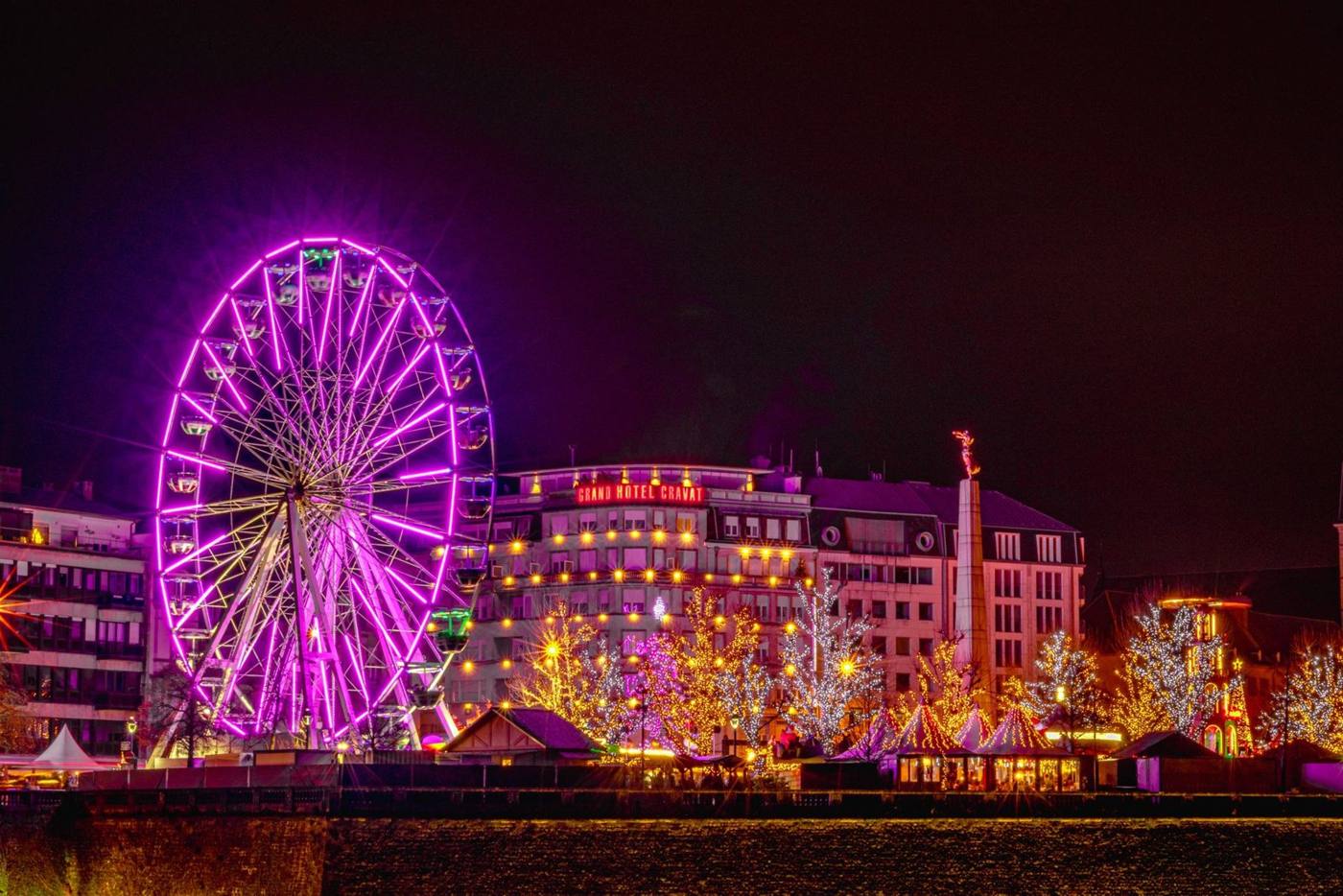
Luxembourg in winter
Winterlights in the capital with its markets and ice rink, seasonal cooking and a day at the Mondorf-les-Bains spa.
 3 daysEasy
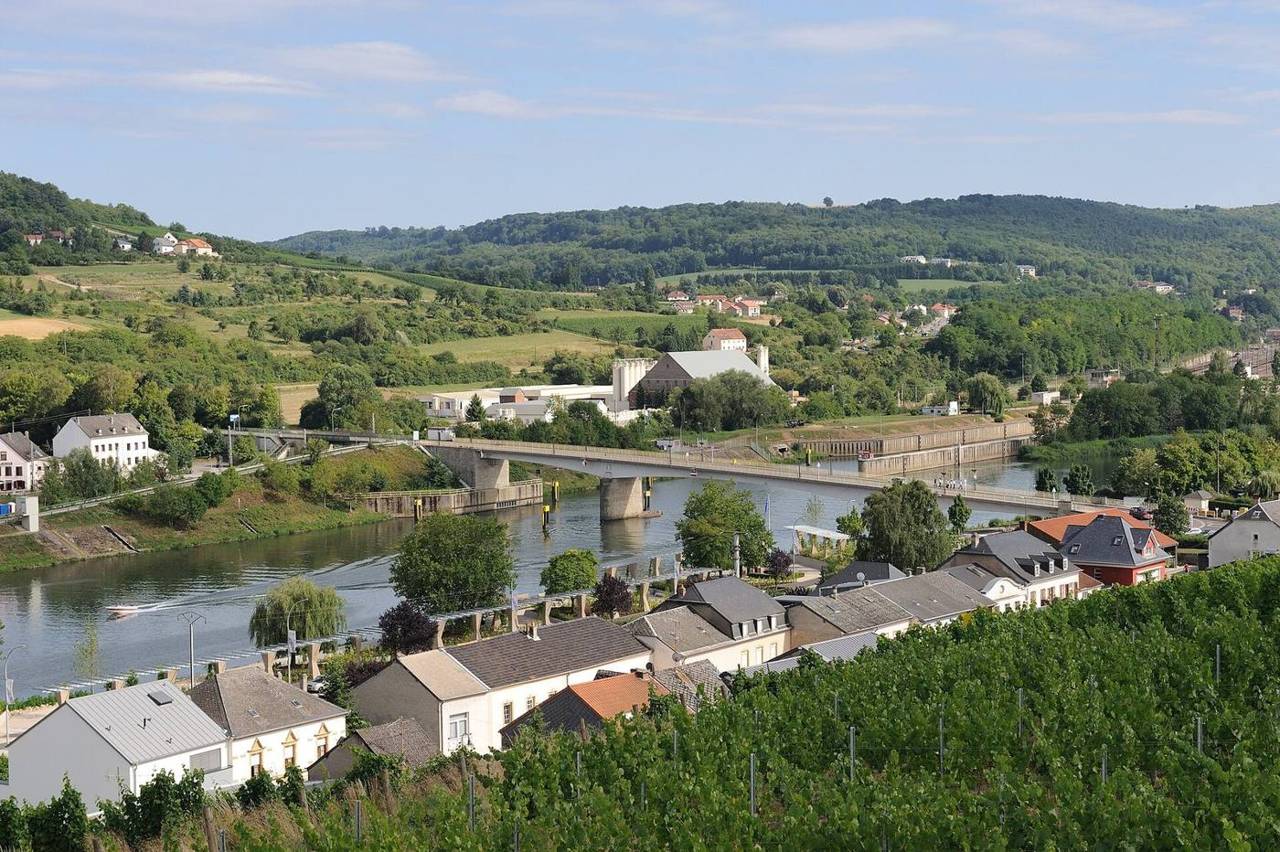
The three borders by bike
A bike loop along the Moselle through Luxembourg, France and Germany, starting from Schengen, with vineyards, villages and the Saar.
 2 daysEasy
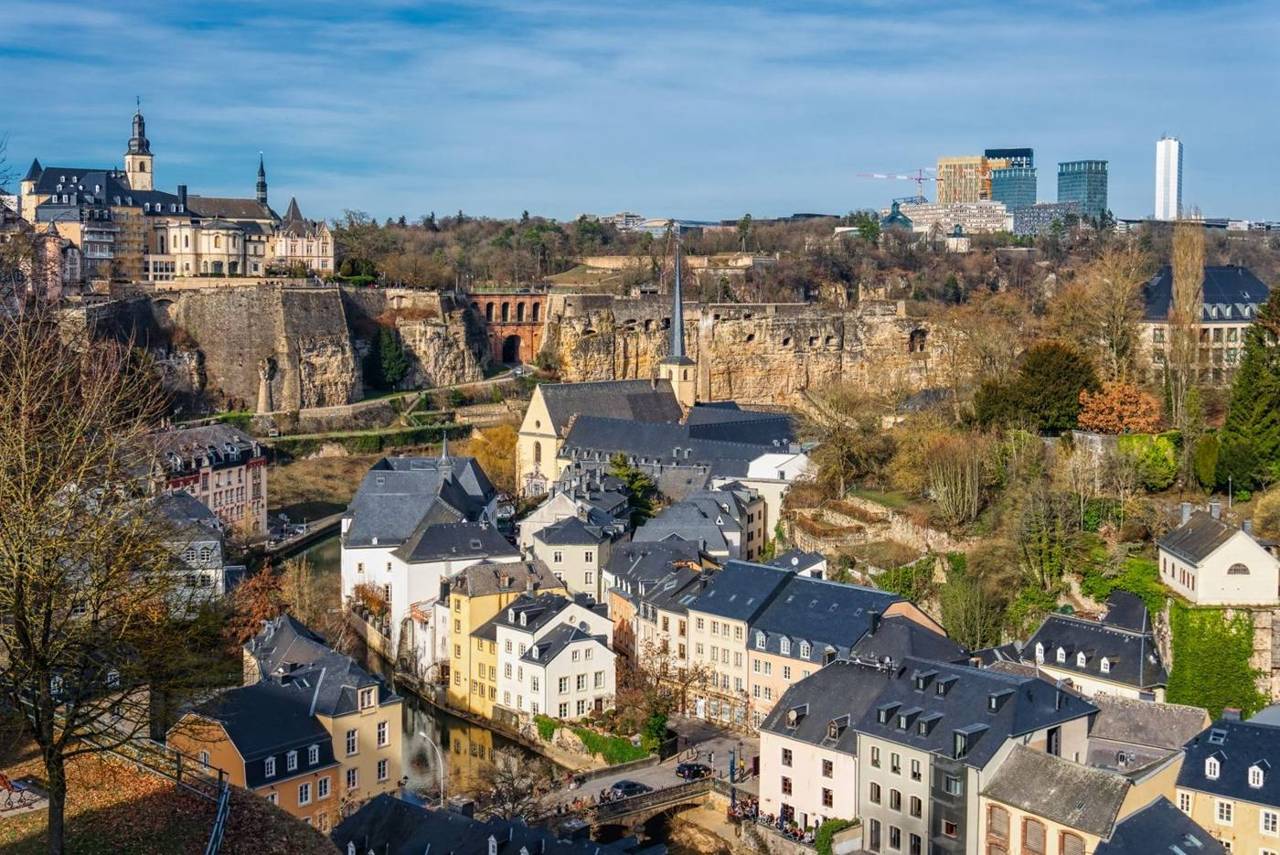
Luxembourg City
The UNESCO-listed old town on its rocky spur, the Bock casemates, the Chemin de la Corniche, the Grund in the valley below and the European Kirchberg.