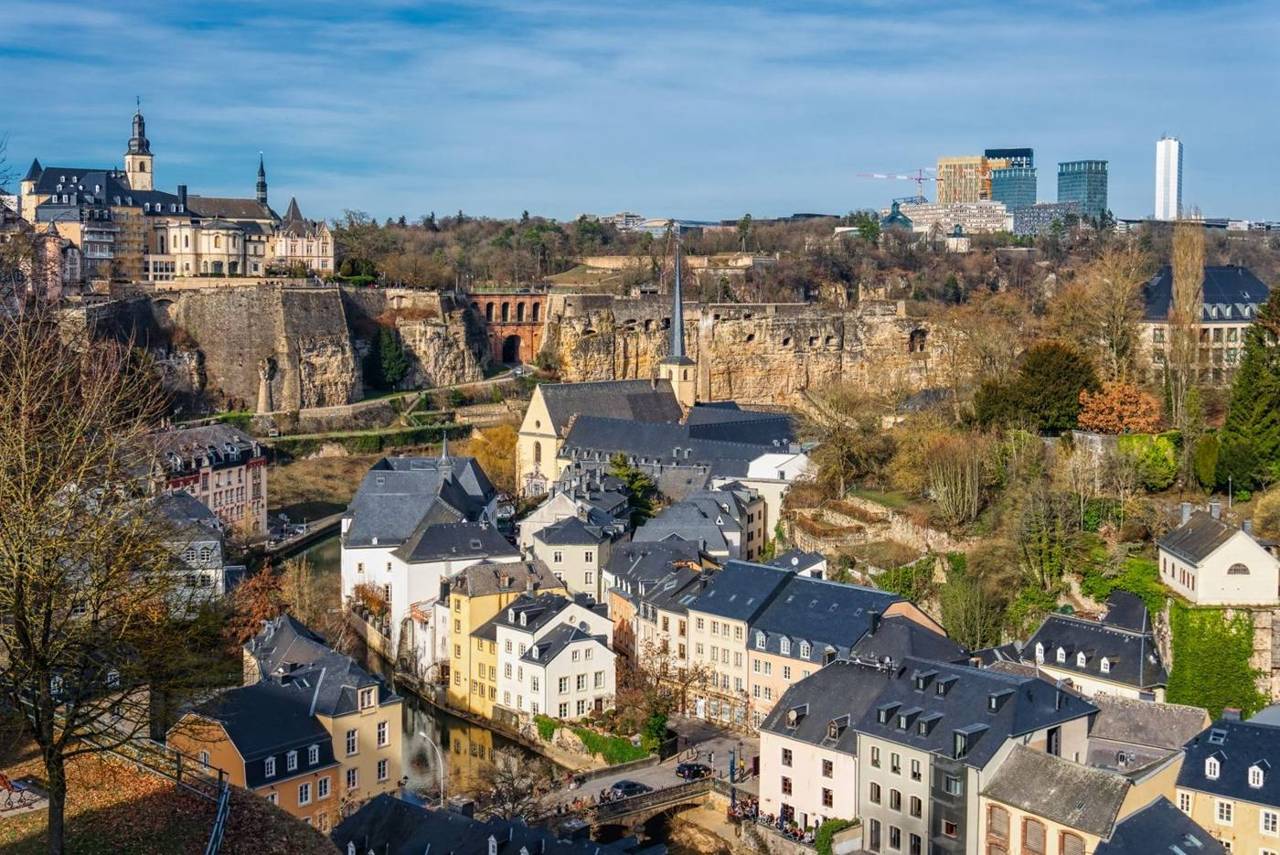
Luxembourg City
The UNESCO-listed old town on its rocky spur, the Bock casemates, the Chemin de la Corniche, the Grund in the valley below and the European Kirchberg.
- Ville Haute
- Casemates du Bock
- Chemin de la Corniche
- Grund
- Pfaffenthal
- Kirchberg
Day by day
- Day 1
The Ville Haute, the Bock casemates and the Grund
This short trip tells the story of a small and surprising capital: the old town on a rocky spur, with its fortifications and old quarters, a UNESCO World Heritage Site since 1994, the green valleys right in the centre and, on the plateau opposite, the Kirchberg of the European institutions. You get around on foot, with the public lifts and the tram.
Before you go: Italian citizens enter Luxembourg with an electronic identity card or a passport: the country is in the European Union and the Schengen area. Italian paper identity cards are no longer valid for travel abroad from 3 August 2026. Other nationalities should check their own rules. Luxembourg is very safe; just watch out for pickpockets at the main station and on buses. Since 1 March 2020 buses, trams and second class trains need no ticket anywhere in the country: first class must be paid for.
Start at Place d'Armes, the square of cafés, and walk to the Grand Ducal Palace, the Grand Duke's official residence, with its Renaissance façade. It can be visited only in summer, on guided tours. Nearby is Notre-Dame Cathedral, with the crypt of the grand dukes.
Then go down to the Bock, the rock where in 963 Count Siegfried had his castle built. You enter the casemates, galleries dug into the rock to defend the fortress, on a guided tour. Check prices and times.
Follow the Chemin de la Corniche, the walk along the walls known as the most beautiful balcony in Europe, and go down to the Grund, at the bottom of the Alzette valley, with Neumünster Abbey and the houses along the river. Have dinner here in the evening.
Practical tip: to get back up from the Grund without effort, use the public lift that climbs to the Plateau du Saint-Esprit, near the Cité judiciaire.
- Day 2
The Pfaffenthal lift, MUDAM and Fort Thüngen
On the second day, cross the valley to Kirchberg, the modern district built from the 1960s for the European institutions.
Start with the Pfaffenthal panoramic lift, near Pescatore park, at the top of the Ville Haute. The glass cabin goes down the rock face to the Pfaffenthal district, at the bottom of the valley, and through the transparent floor you see the drop beneath your feet. It works like public transport, with no ticket.
From Pfaffenthal, walk a few minutes to Pfaffenthal-Kirchberg station and ride the funicular up to the plateau. Above you runs the Grand Duchess Charlotte Bridge, the Red Bridge. At the top, you are in Kirchberg.
Visit Fort Thüngen, also called Dräi Eechelen after the three stone acorns on its towers. Inside is the fortress museum, which tells how Luxembourg became one of the strongest strongholds in Europe, until it was dismantled after 1867. Next door is MUDAM, the modern art museum designed by I. M. Pei and opened in 2006, with contemporary art exhibitions. Check prices and times.
In the afternoon, take the tram towards the main station and set off home.
In these two days you have seen the Ville Haute, the palace and the cathedral, the Bock casemates, the Chemin de la Corniche, the Grund, Pfaffenthal and Kirchberg.
When to go: from May to September, for the long evenings; in December for Winterlights. Hotels cost less at weekends.
Practical tip: MUDAM and the fortress museum close on different days; check before planning your morning.
A small, surprising capital with fortifications and green valleys right in the centre. Public transport has been no-cost throughout the country since 2020, trains included (except first class). Hotels and restaurants are expensive, especially on weekdays with business travel: weekends are better value.
Before you go
- Documents and visa
- EU citizens need a valid identity card or passport: Luxembourg is in the EU and the Schengen area. Always carry your document. Other nationalities should check the Schengen rules.
- Health and vaccines
- No vaccines required. EU citizens should bring their EHIC. Emergencies: 112; police 113.
- Money and payments
- Euro. Cards are accepted almost everywhere, even for small amounts. The country is expensive, above all for accommodation and eating out.
- Power sockets
- Types C and F, 230 volts: you need an adapter for British plugs.
- Time zone
- Central European Time (UTC+1, summer UTC+2), one hour ahead of the UK.
- Safety
- A very safe country: the United States has rated it level 1 since 8 April 2026. Watch out for pickpockets at the main railway station, on buses and at tourist sites. In the north and east, unexploded ordnance from both world wars remains in woods and fields: stay on marked paths and do not touch metal objects. Since 1 March 2020 buses, trams and second class trains need no ticket anywhere in the country; first class and journeys beyond the border must be paid for. Official advice: GOV.UK.
Information checked in November 2026 for Italian and EU citizens. Rules change: always check before you travel.
Variations
In 1 day: the Ville Haute, the Bock casemates and the Chemin de la Corniche.
In 4 days: add the Moselle wine country and Vianden, reachable by train or bus.
Frequently asked questions
Do you need a ticket for trams and buses in the city?
No, since 1 March 2020 buses, trams and second class trains need no ticket anywhere in the country. The public lifts and the funicular are also used without a ticket.
When is the best time to visit the city?
From May to September for walking on the walls and in the valleys; in December for Winterlights. Hotels are dearer on weekdays, because of business travel.
Can you visit the Grand Ducal Palace?
Only in summer, on guided tours with limited places. Check prices and times and book early.
Indicative itinerary written by World Atlas. Before booking, check timetables, seasonal openings, documents and safety.
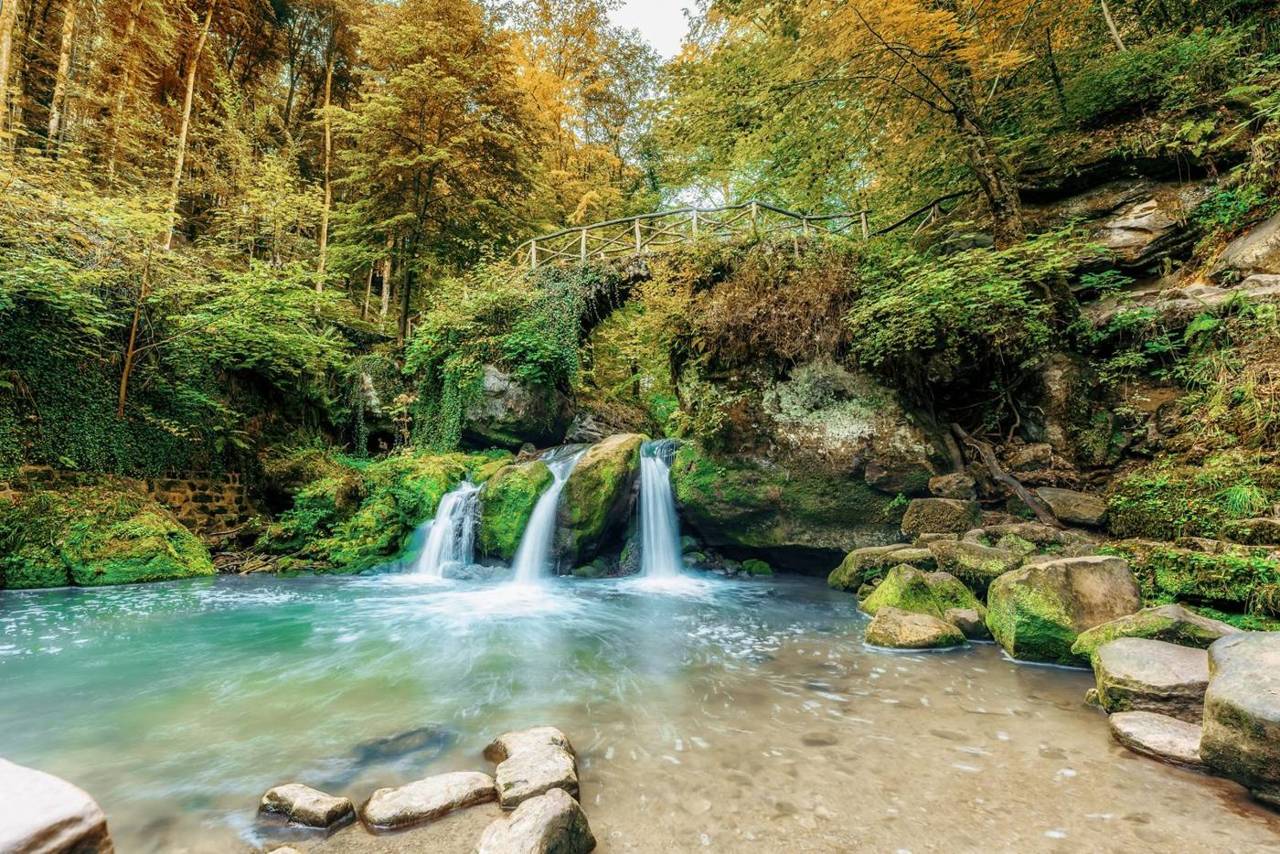 4 daysModerate
The Mullerthal Trail
Luxembourg's Little Switzerland: sandstone gorges, forests and the Schiessentümpel waterfall on an award-winning trail between Echternach, Berdorf and Consdorf.
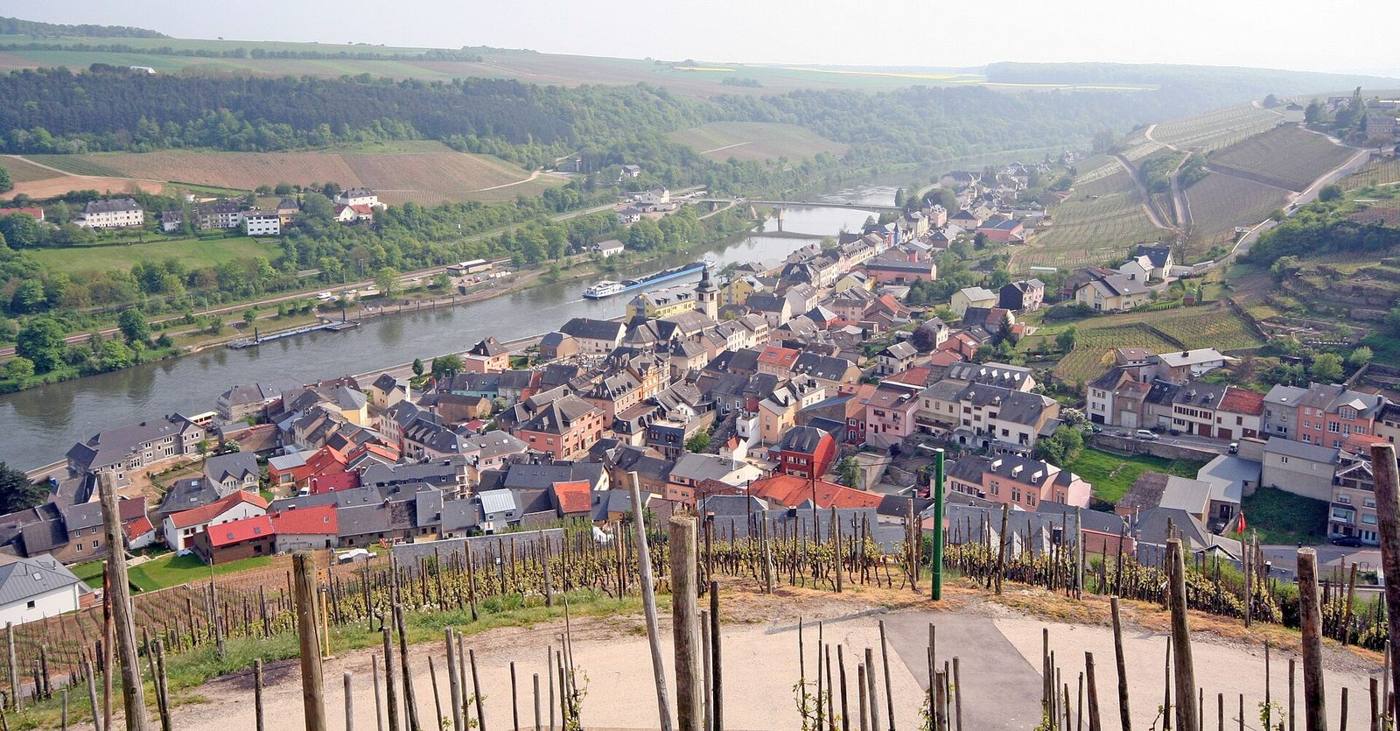 3 daysEasy
The wine Moselle
Luxembourg's Moselle valley from Schengen to Grevenmacher: crémant and Riesling, the Palmberg vineyard trail and a river cruise.
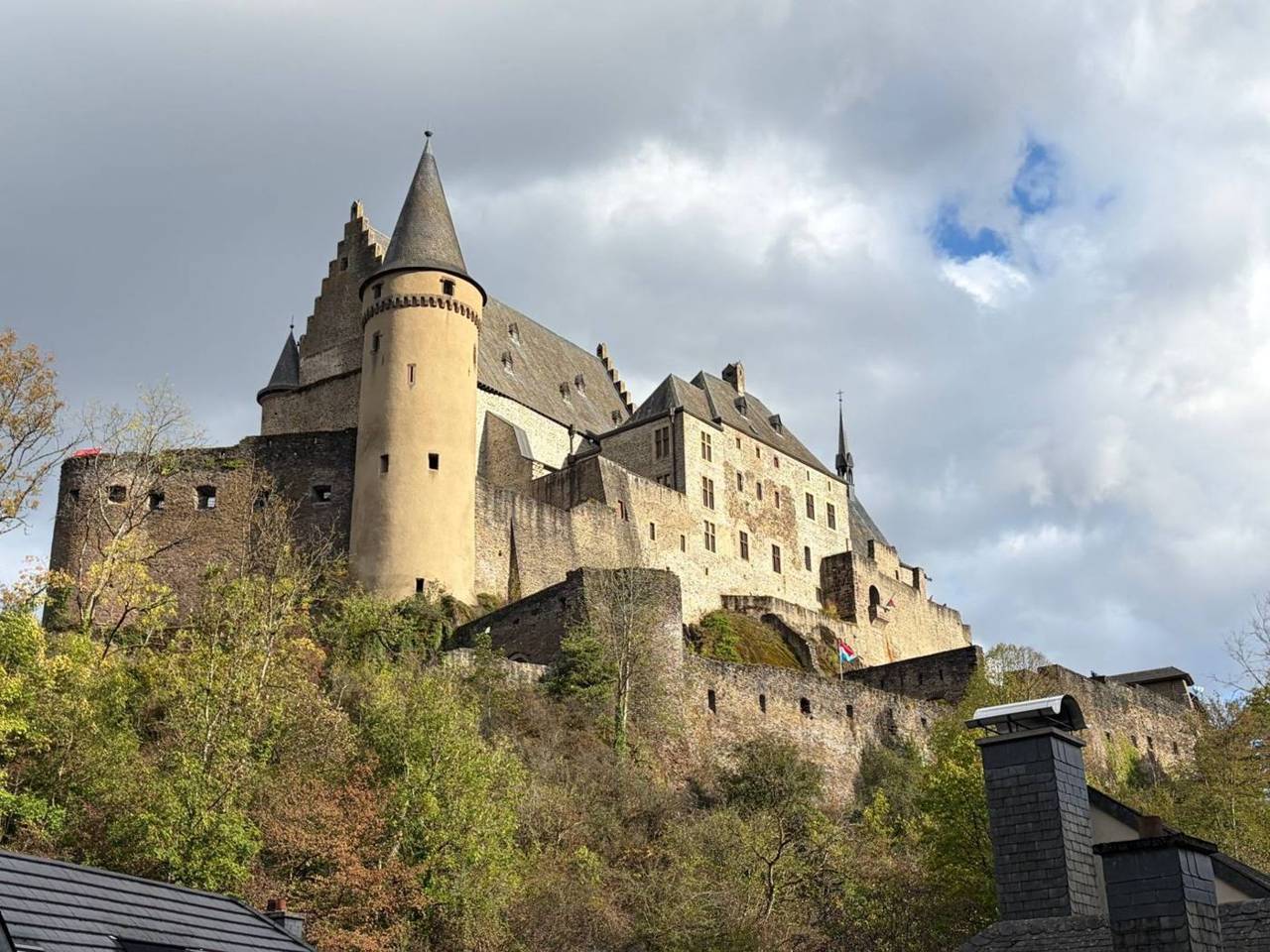 4 daysEasy
The castles of the Éislek
The north of the Luxembourg Ardennes: Vianden and its chairlift, Bourscheid above the Sûre, Clervaux with The Family of Man exhibition and Esch-sur-Sûre by its lake.