Nong Khiaw and Muang Ngoi
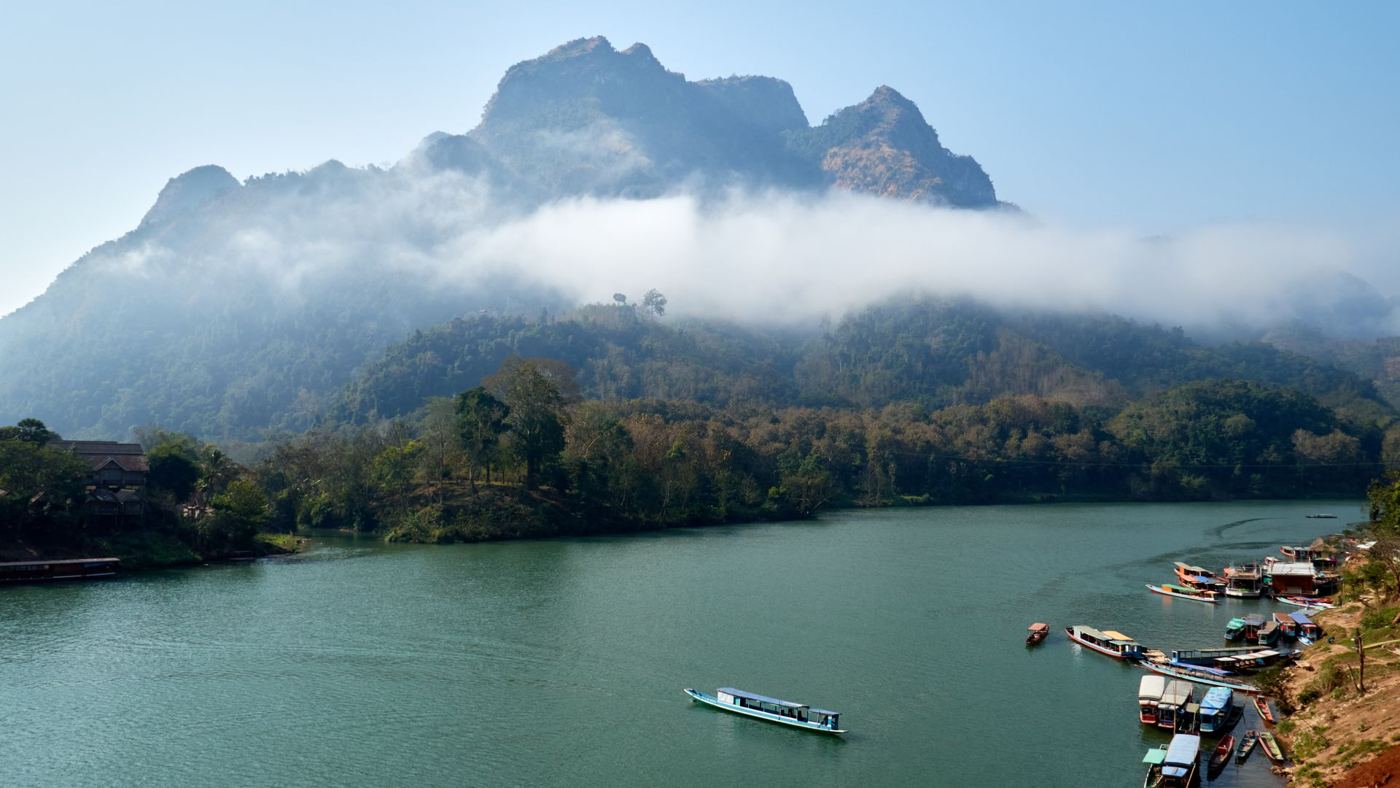
The karst peaks on the Nam Ou river: Pha Daeng viewpoint at Nong Khiaw, the boat to the roadless village of Muang Ngoi and walks among the rice fields.
- Luang Prabang
- Nong Khiaw
- Muang Ngoi
Day by day
- Day 1
From Luang Prabang to Nong Khiaw
This four day trip takes you to the Nam Ou river, in northern Laos, among forest covered karst peaks: the Pha Daeng viewpoint above Nong Khiaw, the boat to the village of Muang Ngoi, reached mainly by river, and walks among rice fields and villages.
Before you go: for Laos Italian citizens need a passport valid for at least six months from entry, with two blank pages, and a tourist visa. Apply for the eVisa only on the official website laoevisa.gov.la, at least five days ahead, or get a visa on arrival at Luang Prabang airport. Also fill in the LDIF digital form within the three days before arrival. Other nationalities should check their own rules.
Safety: unexploded ordnance from the war remains throughout the area. Walk only on well trodden paths or with a local guide, and do not pick up metal objects.
From Luang Prabang take a minivan or bus north: the journey takes a few hours on a road that follows the valleys. Nong Khiaw is a village of simple houses and guesthouses on both banks of the Nam Ou, joined by a bridge from which you see the river squeezed between rock walls hundreds of metres high.
In the afternoon visit the Pha Tok caves, a few kilometres from the village, where the people of the valley sheltered during the bombing. Check prices and times. In the evening have dinner by the river with fish soup and sticky rice.
Practical tip: withdraw cash in Luang Prabang, because Nong Khiaw has few cash machines and Muang Ngoi may have none.
- Day 2
Sunrise from the Pha Daeng viewpoint
Wake up in the dark. The trail to the Pha Daeng viewpoint starts near the village and climbs steeply through the forest: allow about an hour to an hour and a half of ascent, with stretches of roots and rocks. At the start of the trail you pay a small fee for maintenance; check prices and times.
You reach the top before dawn. The valley is often covered by a sea of mist, and as the sun rises the limestone peaks appear one after another and the Nam Ou shows up like a ribbon below you. It is one of the finest views in Laos. Stay up there until the mist clears, then walk down slowly.
After breakfast rest, then go for a walk or a bike ride to the villages along the road north and south of Nong Khiaw, with rice fields, vegetable gardens and children playing in the river. If you like being on the water, ask about a kayak trip on the Nam Ou, with a guide and a lifejacket.
In the evening, after the hike, try a traditional Lao massage in the village or sit on the bank watching the boats come home.
Practical tip: for the Pha Daeng climb bring a head torch, water, a warm layer for the top and shoes with good grip, because the trail can be slippery on the way down.
- Day 3
Boat to Muang Ngoi and a walk through the villages
In the morning go to the Nong Khiaw pier and take the boat up the Nam Ou to Muang Ngoi. The trip takes about an hour between rock walls, forest and small riverside villages. Check prices and times the day before, because departures are few. The dams built on the river have changed some stretches, but this remains one of the most beautiful.
Muang Ngoi is a village with a single dirt street and no traffic, with wooden houses, stalls and chickens. Drop your bag and set off on foot to the east: the trail passes near a cave used as a shelter during the war, then crosses rice fields and streams to the villages of Ban Na and Huay Bo, home to Lao and Khmu families. Go with a guide from the village, who knows the safe paths.
Have lunch in a village with rice, eggs and vegetables, and return to Muang Ngoi in the afternoon.
In the evening life is slow: people sit in hammocks above the river, watch the sun set behind the mountains and eat early. Sleep in Muang Ngoi, where electricity may be limited.
Practical tip: bring a torch and a power bank, and a sweatshirt for the evening, when the air on the river turns cool.
- Day 4
Back to Luang Prabang
Last day. Get up early to see the village monks' alms round, smaller and more intimate than the one in Luang Prabang, and watch it in silence and from a distance.
Then take the morning boat down the Nam Ou to Nong Khiaw. From there the minivan or bus leaves for Luang Prabang, where you arrive in the afternoon. If you have time, in the evening stroll through the town's night market and climb Phou Si for sunset.
In these four days you have seen the Nam Ou among the limestone mountains, the Pha Tok caves, sunrise above the clouds from the Pha Daeng viewpoint, the boat to Muang Ngoi and the walks among rice fields and Lao and Khmu villages. One of the most beautiful landscapes in Laos, and still peaceful.
When to go: the best period is from October to February, with clear skies and misty mornings perfect for photos from above. From March the smoke from farm fires often hides the view. From May to September it rains, the trails turn muddy and the river rises.
Practical tip: if you can, add a day in Muang Ngoi, the ideal place to rest after long bus rides, reading in a hammock and walking without hurry through the rice fields.
One of Laos's most beautiful landscapes, still peaceful. Dams on the Nam Ou have changed some stretches of the river. From March, smoke from crop burning hides the view.
Before you go
- Documents and visa
- Passport valid for at least six months from entry, with at least two blank pages, and a tourist visa: the eVisa, to be requested only on the official website laoevisa.gov.la (accepted at the main airports and at Friendship Bridges I and IV), or a visa on arrival at the main entry points. You must also fill in the LDIF digital immigration form within the three days before arrival and departure.
- Health and vaccines
- Malaria is present in rural areas and dengue cases are regular: use repellent. Medical facilities are poor even in the capital, so you need insurance covering medical costs and repatriation. Drink only bottled water. Emergencies: ambulance 1195, police 1191.
- Money and payments
- Lao kip. Tourist businesses often accept US dollars and Thai baht; cards work in towns, but carry cash in the countryside.
- Power sockets
- Types A, B and C, 230 volts: you need an adapter for British plugs.
- Time zone
- UTC+7 all year.
- Safety
- The British government advises against all travel to Xaisomboun province. Unexploded ordnance remains across the country: walk only on marked paths and never pick up metal objects. There have been fatal methanol poisonings from drinks served in tourist areas: avoid unsealed spirits. Drug penalties are extremely severe. Official advice: GOV.UK.
Information checked in November 2026 for Italian and EU citizens. Rules change: always check before you travel.
Variations
In three days: Nong Khiaw and the Pha Daeng viewpoint, without the night in Muang Ngoi.
In six days: add a night in a village beyond Muang Ngoi and a kayak trip on the Nam Ou.
Frequently asked questions
How long is the climb to the Pha Daeng viewpoint?
About an hour to an hour and a half on a steep trail. For sunrise set off in the dark with a head torch.
Can you reach Muang Ngoi only by boat?
The easiest and most used way is the boat from Nong Khiaw, about an hour on the Nam Ou. Check the times the day before.
Can I do the walks on my own?
It is better with a guide from the village: they know the safe paths, in an area where unexploded ordnance from the war remains.
Indicative itinerary written by World Atlas. Before booking, check timetables, seasonal openings, documents and safety.
 3 daysEasy
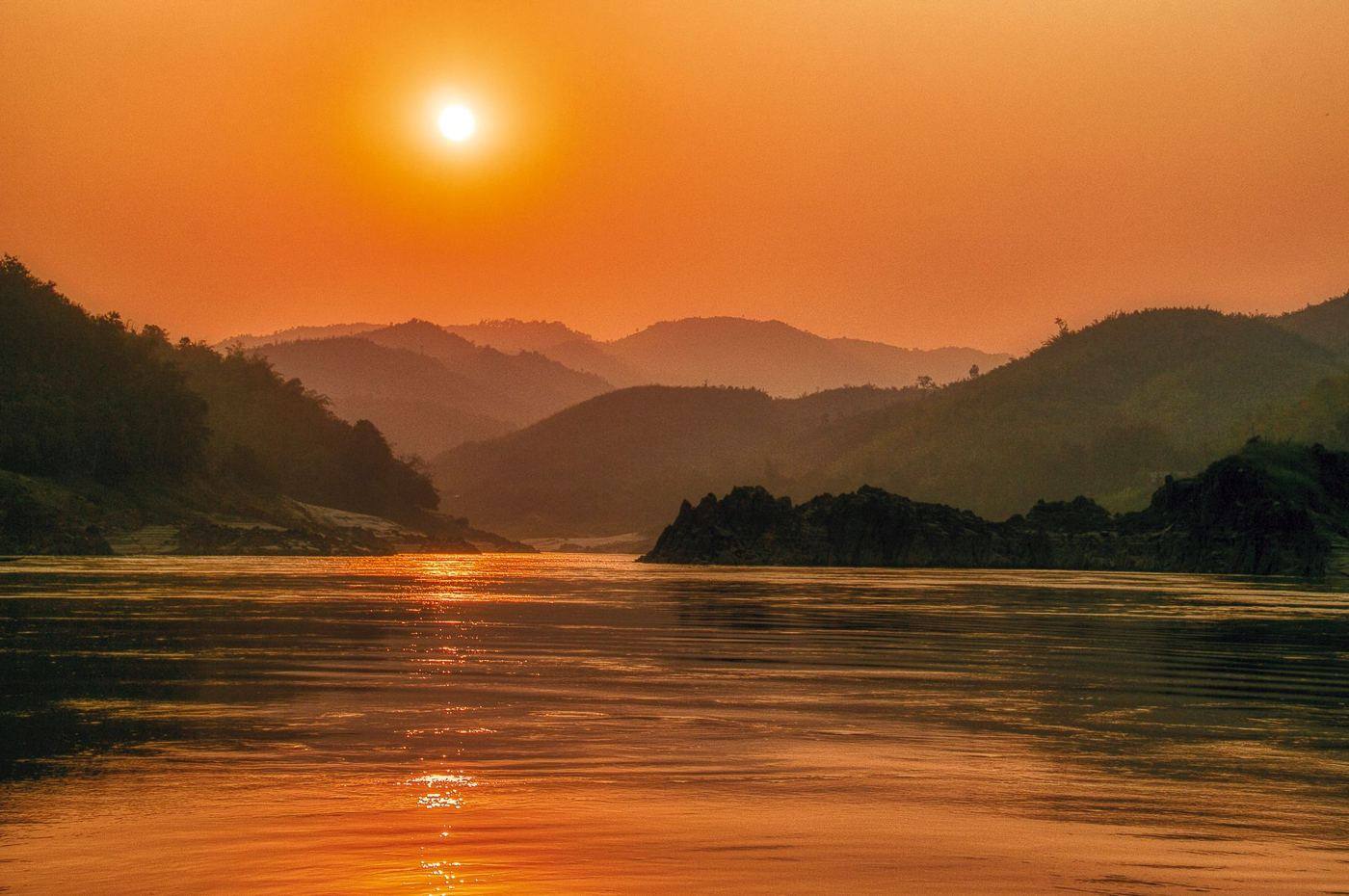
The Mekong slow boat
Two days by slow boat from the Thai border at Huay Xai to Luang Prabang, with a night in Pakbeng and the Pak Ou caves on arrival.
 4 daysModerate
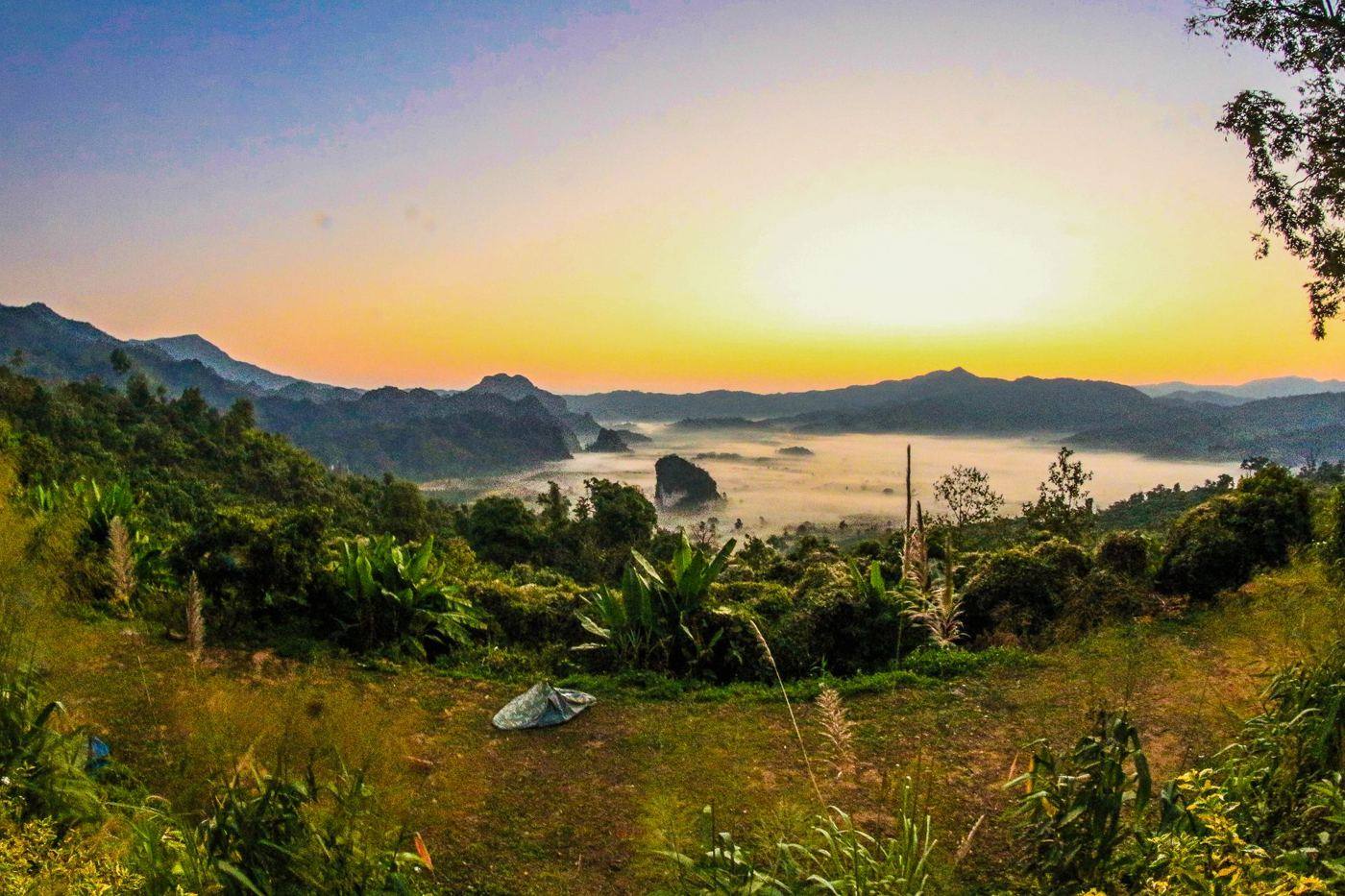
The Thakhek loop
A loop by motorbike or car through the central karst mountains, with Kong Lor cave, crossed by the river for seven kilometres by boat.
 3 daysEasy
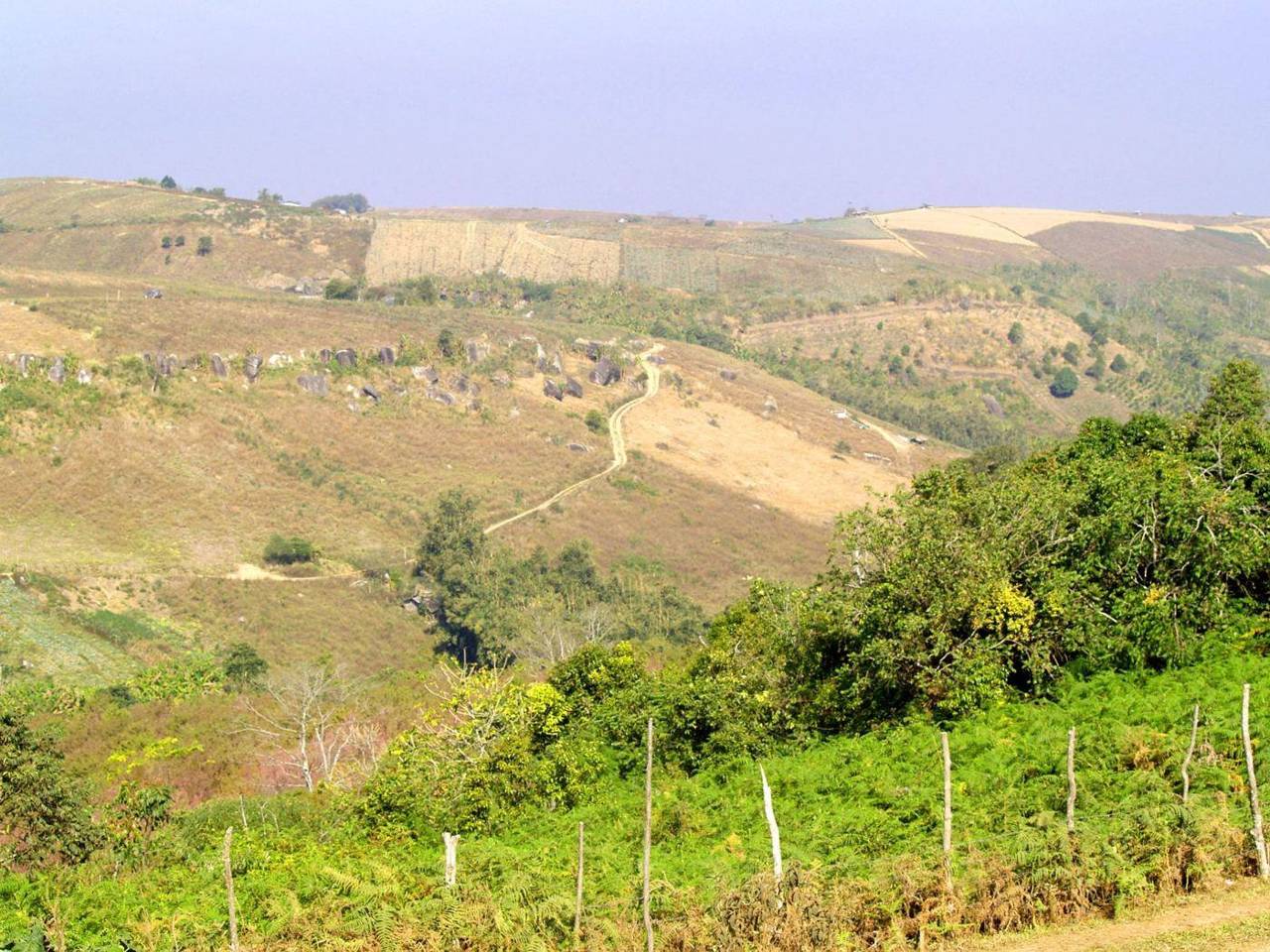
The Plain of Jars
Hundreds of prehistoric stone jars around Phonsavan, a UNESCO site, and the story of the secret bombing, told at the MAG information centre.