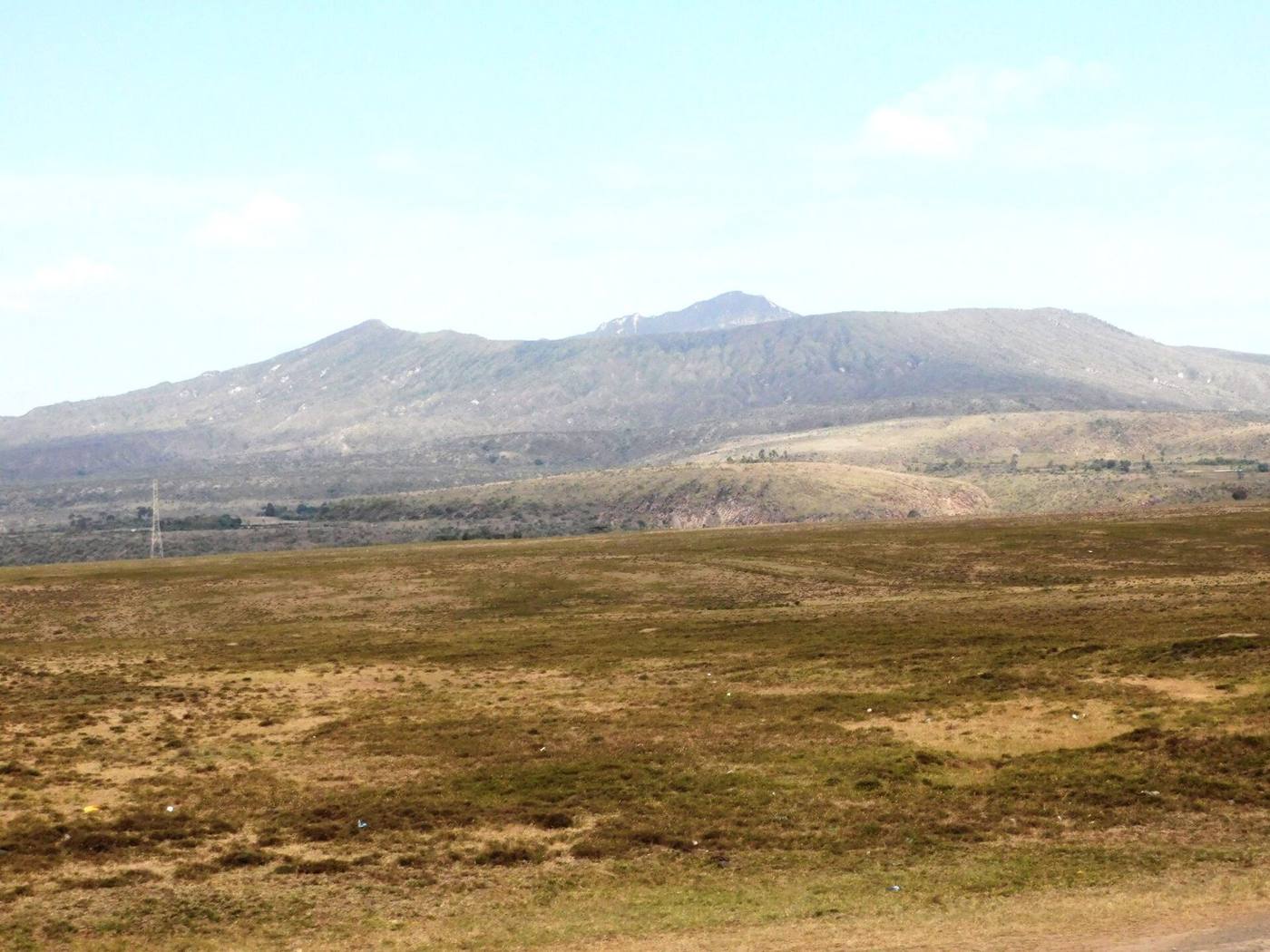
Longonot, Hell's Gate and Suswa on foot
The Rift Valley on foot: the crater-rim circuit of Longonot volcano, Hell's Gate gorge by bike among zebras and giraffes, with a descent into the canyon, and the double crater of Suswa with its lava caves full of bats, on Maasai land.
- Nairobi
- Longonot
- Hell's Gate
- Suswa
Day by day
- Day 1
From Nairobi to Longonot and the crater rim walk
The Rift Valley, the great split in the earth's crust running through East Africa, passes a few hours from Nairobi. Here the landscape is made of extinct volcanoes, rock gorges, hot springs, lakes and savannah. This four-day trip is for those who want to see Kenya on foot and by bike, not only from a safari vehicle: you climb to the rim of a crater, cycle among zebras and giraffes and go down into the lava caves of a volcano run by Maasai communities.
Early in the morning, leave Nairobi heading north-west. The road descends the escarpment of the Rift Valley, with a viewpoint over the immense valley, its volcanoes and lakes. In about an hour and a half you reach Mount Longonot National Park, an extinct volcano 2,776 metres high.
From the park gate, walk up a steep, dusty path to the crater rim, in about an hour and a half. From the top you see the crater, almost two kilometres wide, with forest on its floor and small fumaroles rising from the walls. You can walk the whole rim, about seven kilometres, with narrow stretches and ups and downs to the summit. The view over the Rift Valley, Lake Naivasha and the surrounding volcanoes is extraordinary. Along the path you meet zebras, giraffes and antelopes.
The full loop, including the climb and descent, takes four to five hours.
In the afternoon, go down to Lake Naivasha, where you sleep.
Practical tip: start early, before the heat and wind. Bring plenty of water, a hat and sunscreen: there is no shade on the rim.
- Day 2
Hell's Gate by bike and the gorge on foot
In the morning, go to Hell's Gate National Park, south of Lake Naivasha. It is one of the few parks in Kenya you can enter on foot or by bicycle, because there are no large predators such as lions or elephants. Bikes can be hired at the entrance.
You cycle along a dirt track through a narrow valley between high red rock walls, with the volcanic towers of Fischer's Tower and Central Tower rising alone. Around you graze zebras, giraffes, buffalo, gazelles and warthogs, a few metres from your bike. Eagles and vultures nest on the cliffs. The landscape is said to have inspired the artists of a famous animated film about the savannah.
At the end of the valley, leave the bike and walk down with a guide into the Ol Njorowa gorge, a narrow canyon carved by water, with high smooth walls, hot springs seeping from the rock and passages between boulders. A guide is compulsory and knows the safest spots.
In the park you also see the Olkaria geothermal power stations, which produce an important share of Kenya's electricity from the earth's steam.
In the afternoon, take a boat trip on Lake Naivasha, with hippos, fish eagles and water birds, or a walk in one of the reserves on the shore, where you walk among giraffes and zebras.
Practical tip: flash floods in the gorge are dangerous. Do not go in if it is raining or has recently rained upstream, and always follow the guide.
- Day 3
Suswa: the craters and the lava caves
In the morning, head south-west to Mount Suswa, an extinct volcano not protected as a national park but managed by the Maasai communities living around it. The drive takes about an hour and a half, with the last stretch on dirt tracks requiring a four-wheel drive.
Suswa is an unusual volcano with a double crater: inside the large outer crater is a second crater, surrounded by a deep moat, with a rocky island in the middle covered in vegetation. With a Maasai guide you walk along the rim of the inner crater, with views of the moat and the Rift Valley.
In the afternoon, go down into the lava caves, long tunnels formed by lava flowing beneath a cooled surface. Some are huge, with openings in the roof letting in light. In one cave groups of baboons sleep at night. Other caves are used by the Maasai for traditional ceremonies.
The guide tells you about Maasai life, cattle herding, traditions and their relationship with the volcano. Tourism at Suswa brings direct income to the community.
In the evening, you can sleep in a tent at a simple community-run campsite on the crater rim, with a starry sky and the silence of the savannah, or return to Naivasha.
Practical tip: facilities at Suswa are very basic. Bring a head torch, water, food and closed shoes for the caves, where the ground is uneven.
- Day 4
Back to Nairobi
On your last morning, if you slept at Suswa, watch the sunrise from the crater rim, when the light falls on the Rift Valley and the distant volcanoes.
Then head back to Nairobi, in about two and a half hours. On the way, as you climb the escarpment, stop again at the Rift Valley viewpoint for a last look at the valley.
If you have time before your flight, in Nairobi visit the elephant orphanage, where you see baby elephants that have been rescued and raised before being returned to the wild, or Nairobi National Park, the only one in the world with lions, giraffes and rhinos a few kilometres from the skyscrapers of a capital city.
You can also visit the National Museum of Kenya, with natural history collections, fossils of human ancestors found in the Rift Valley and the cultures of the country's peoples.
This trip combines well with a classic safari in the Masai Mara, with Lake Nakuru and its flamingos, or with a few days by the sea on the coast south of Mombasa, at Diani.
Practical tip: you need the eTA electronic authorisation, to be requested online before you leave. Since 19 October 2026 the United States has kept Kenya at level 3, after the Ebola cases in Nairobi, and advises against the counties bordering Somalia, Lamu, Tana River and the coast north of Malindi: this itinerary stays outside them. Check the latest advice before you leave.
The Longonot circuit is steep and dusty: 4-5 hours, start early. Flash floods in the Hell's Gate gorge are dangerous: do not enter if it is raining upstream. At Suswa the roads are tracks and a 4x4 is needed. An electronic travel authorisation (eTA) is required, applied for online before travelling. On 19 October 2026 the US raised its Kenya advisory to level 3, after the first Ebola cases in Nairobi; it advises against the counties on the Somali border, Lamu County, Tana River and the coast north of Malindi. This itinerary stays outside those areas.
Before you go
- Documents and visa
- Valid passport and an eTA, applied for online on the official Kenyan government website before leaving. From 5 October 2026 compulsory government travel health insurance is also required.
- Health and vaccines
- Malaria prevention and the yellow fever vaccine are recommended. Drink only bottled water. Emergencies: 999 or 112.
- Money and payments
- Kenyan shilling. Mobile payment, M-Pesa, is everywhere; cards work in cities and lodges.
- Power sockets
- Type G, 240 volts: you need an adapter for British plugs.
- Time zone
- UTC+3 all year.
- Safety
- The United States has rated Kenya level 3 since 19 October 2026 (Ebola, crime, kidnapping, terrorism, unrest). Do not travel: Garissa, Wajir, Mandera, Lamu, Tana River (except Tsavo), Kilifi north of the C103 road, the coast north of Malindi, Marsabit and Turkana within 50 km of Ethiopia. Official advice: GOV.UK.
Information checked in November 2026 for Italian and EU citizens. Rules change: always check before you travel.
Variations
In 2 days: Longonot and Hell's Gate, with one night at Naivasha.
In 7 days: after the Rift Valley, continue to the Masai Mara for three days of safari.
Frequently asked questions
When is the best time to go?
The dry seasons, from June to October and from January to February. In the rains the paths become slippery and the Hell's Gate gorge may be closed because of floods.
Do I need to be fit?
Yes for Longonot, with four or five hours of walking on a steep path. Hell's Gate by bike is easy, and Suswa involves moderate walks.
Is it safe?
This area is far from the areas advised against, but the United States keeps Kenya at level 3. Go with local guides, do not walk alone in isolated places and check the advice before you leave.
Indicative itinerary written by World Atlas. Before booking, check timetables, seasonal openings, documents and safety.
 3 daysEasy
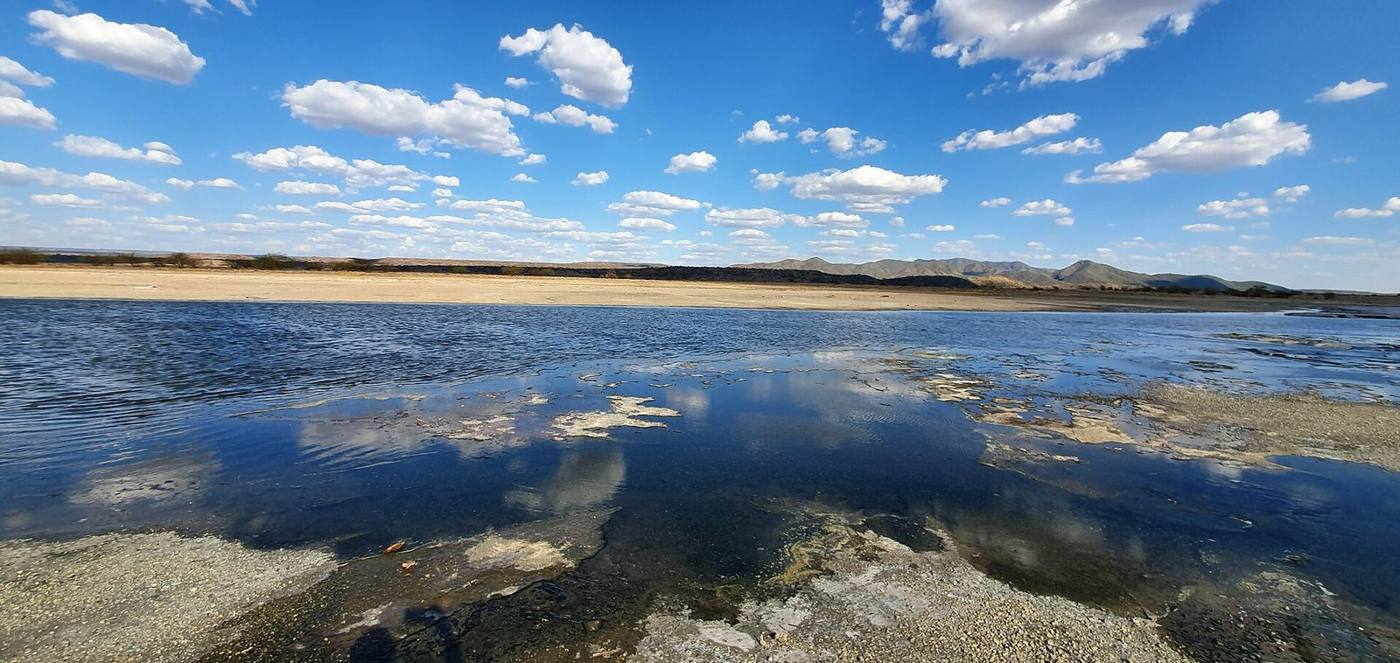
Lake Magadi and Olorgesailie
The southern Rift Valley, hot and wild: the prehistoric site of Olorgesailie with hundreds of stone hand-axes left where they were used, then the pink and white soda lake of Magadi, with flamingos, hot springs and the Maasai area of Shompole towards the border.
 4 daysEasy
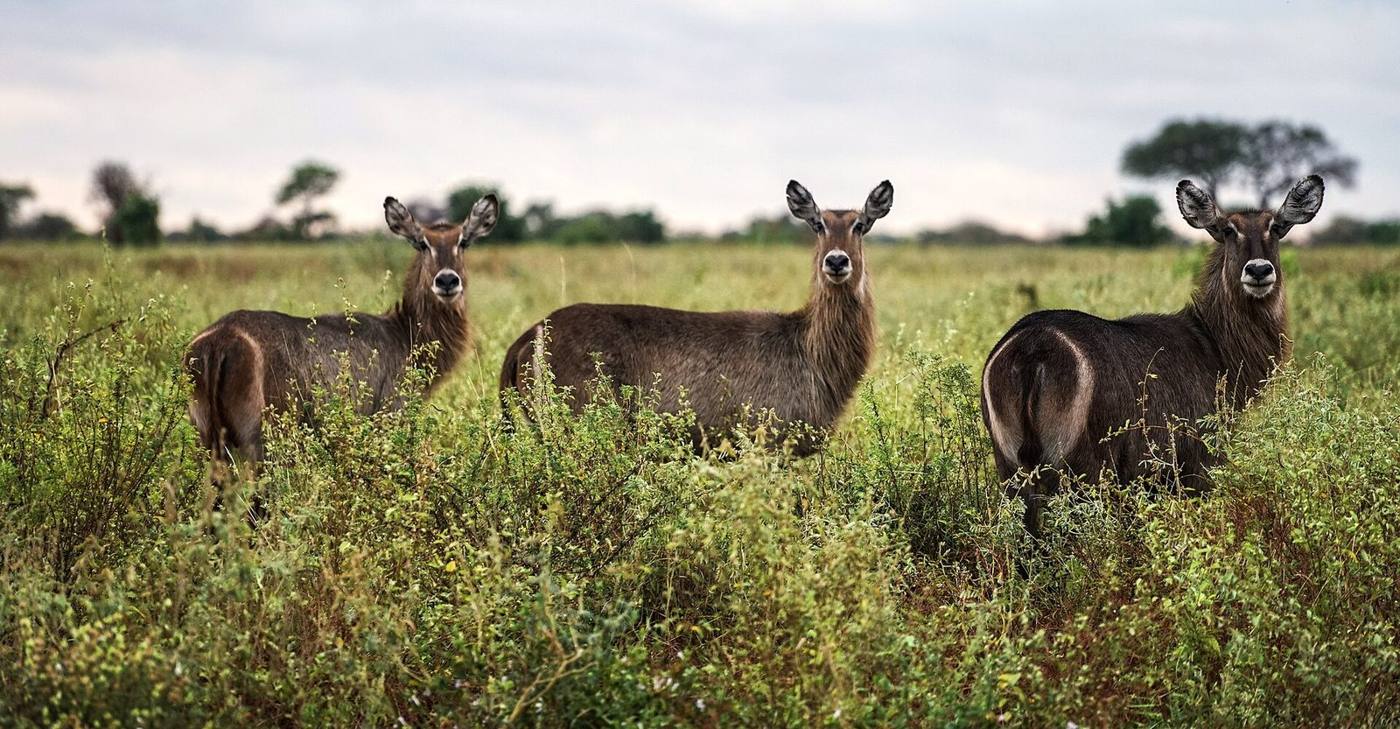
Meru National Park
Elsa the lioness's park, little visited today: palm-fringed rivers, rhinos in a fenced sanctuary, elephants, reticulated giraffes, Grevy's zebras and oryx, with very few vehicles and camps overlooking the river.
 4 daysModerate
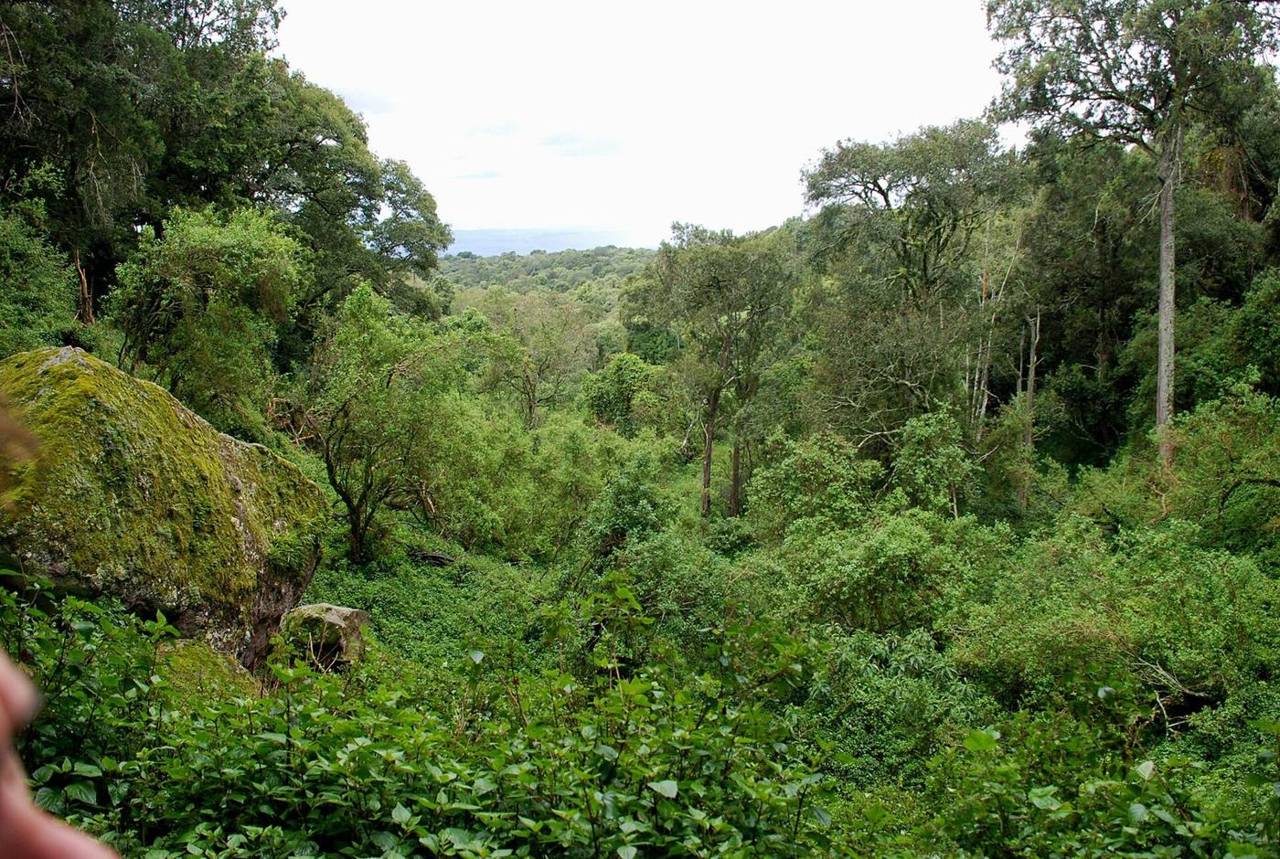
Mount Elgon and the elephant caves
An extinct volcano on the Ugandan border: cedar and podocarp forests, Kitum Cave, where elephants walk in at night to lick salt from the walls, waterfalls and high moorland up to Koitobos, the Kenyan summit.