Tokaj and Eger
Hungary's wine lands: the baroque town of Eger and the Valley of Beautiful Women with its Bull's Blood, then the rock-cut cellars of Tokaj and sweet aszú wine.
- Budapest
- Eger
- Szépasszony-völgy
- Tokaj
- Tállya
- Sárospatak
Day by day
- Day 1
Eger: the fortress and the heroes of 1552
This trip takes you to the wine lands of Hungary, north east of Budapest. It starts in Eger, a baroque town with a fortress, an Ottoman minaret and the Valley of the Beautiful Women, where people drink Bikavér, Bull's Blood. Then it continues to Tokaj, with cellars dug into volcanic rock and the sweet aszú wine, the villages of Tállya and Mád, and ends at Sárospatak castle. It is an inexpensive trip, with simple and historic cellars.
Before you go: Hungary is part of the European Union and the Schengen area, but the currency is the Hungarian forint, not the euro. Italian citizens only need an electronic identity card or a passport; the paper identity card has not been valid for travel abroad since 3 August 2026. Other nationalities should check their own rules. Motorways need an electronic vignette. Drink driving has a zero tolerance limit: whoever drives must not drink even a sip.
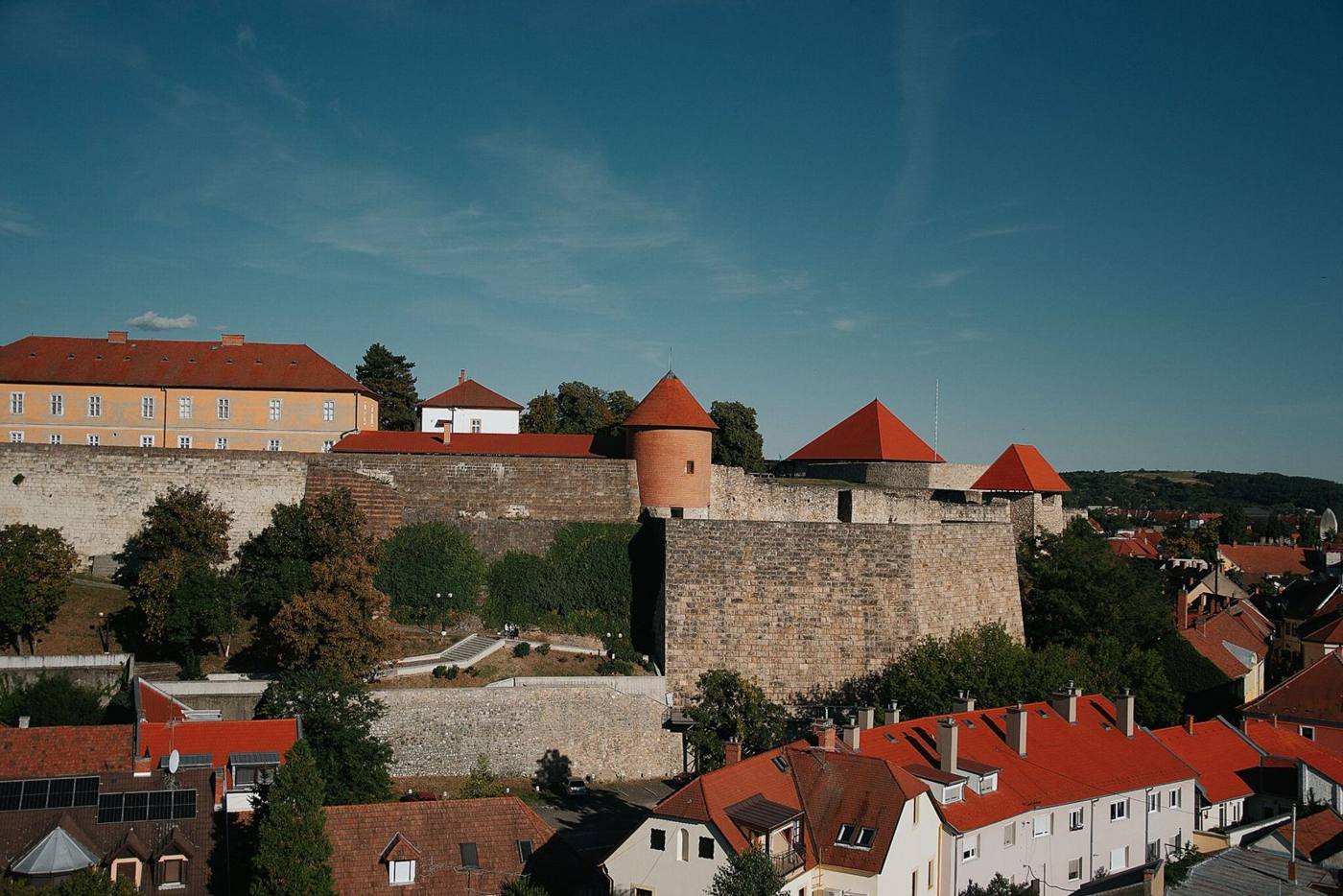
From Budapest you reach Eger in about two hours by train or an hour and a half by car. In the afternoon climb to the fortress above the centre. In 1552 captain István Dobó defended it with about two thousand men, helped also by the women of the town, against a much larger Ottoman army, which withdrew after weeks of siege. The story is told in the novel Eclipse of the Crescent Moon by Géza Gárdonyi, which every Hungarian reads at school; the writer is buried in the fortress itself. Visit the bastions, the underground casemates and the museum. Check prices and times.
Sleep in Eger, for two nights.
Practical tip: on this trip choose carefully how you get around. Eger is easy on foot and by train; for Tokaj a car is handy, but the driver has to give up the tastings.
- Day 2
Eger: the minaret, the basilica and the Valley of the Beautiful Women
In the morning visit the baroque centre of Eger, one of the finest in Hungary. Start with the Ottoman minaret, about forty metres tall, the northernmost one left in Europe after Turkish rule. You can climb a very narrow spiral staircase to the balcony. Check prices and times.
Then go to the basilica, the second largest church in the country, neoclassical, with its columns and great flight of steps. Opposite is the Lyceum, a large eighteenth century building that is now a university. Inside you see the library with its frescoed ceiling and, at the top of the tower, the camera obscura, which projects moving images of the town onto a table, as it did two centuries ago. Check prices and times.
On Dobó Square, with the captain's statue and the Minorite church, stop for a coffee. If you fancy a bath, Eger has a thermal bath with a restored Ottoman section.
Late in the afternoon walk or take the little tourist train to the Valley of the Beautiful Women, a short distance from the centre. It is a horseshoe shaped valley with dozens of cellars dug into the tuff, one beside the other, many with a few tables outside. Here you taste Egri Bikavér, Bull's Blood, a red made from several grape varieties. According to legend the Ottomans saw the defenders of Eger drinking red wine and thought they were drinking bull's blood.
Practical tip: in the valley cellars ask for a taste before you buy and insist on a clear bill. It is often worth buying wine directly by the bottle or in a container to take away.
- Day 3
Tokaj: the town and the historic cellars
In the morning leave Eger and drive for about an hour and a half north east to Tokaj, a small town where the rivers Bodrog and Tisza meet, at the foot of a volcanic hill covered in vines. The whole Tokaj wine region has been a UNESCO World Heritage Site since 2002 as a historic cultural landscape.
Tokaj wine has been famous for centuries. The best known is aszú, a sweet wine made from grapes affected by noble rot, which shrivels them on the vine and concentrates the sugar. In autumn the pickers harvest these berries one by one. Kings and emperors across Europe drank it at their tables, and an old saying calls it the wine of kings, the king of wines.
Visit the Tokaj Museum, in an old merchant's house, which tells the story of the wine and the region. Check prices and times.
Then go down into one of the historic cellars dug into the rock under the town. They are long narrow tunnels, damp and cool all year round, with walls covered by a soft black mould that helps the wine to mature. Many cellars offer guided tastings of dry furmint, the main grape, late harvest wines and aszú. Check prices and times.
In the evening walk along the Bodrog riverside and watch the sunset over the hill.
Sleep in Tokaj, for two nights.
Practical tip: in the cellars the temperature is about ten or twelve degrees and the ceilings are low. Bring a jacket, wear closed shoes and mind your head in the passages.
- Day 4
Tállya, Mád and the wine villages
Today you explore the villages of the region, on the hills to the north west. Distances are short, but remember that whoever drives cannot drink: plan the day with a driver who is not drinking, a taxi or a group tour.
Start with Mád, a quiet village surrounded by famous vineyards. Here there is an eighteenth century baroque synagogue, carefully restored, one of the finest rural synagogues in Hungary, which recalls the large Jewish community of the Tokaj wine trade before the war. Check prices and times.
Then continue to Tállya, one of the oldest villages in the region, with its baroque church and low stone houses. From the hill above the village you see the rows of vines climbing the slopes of the old volcanoes.
In the afternoon, if you are interested in cellars, go to Hercegkút, near Sárospatak. Here there are two rows of small cellars dug into the hill, with wooden doors one next to the other, also protected as part of the UNESCO site. They make a very photogenic landscape, especially at sunset.
In the evening return to Tokaj and try the local food: meat stew with paprika, river fish and, for dessert, filled pancakes or a slice of walnut cake, with a glass of aszú.
Practical tip: during tastings drink plenty of water and eat bread or cheese between wines. You can also spit the wine out: it is normal in the cellars and nobody takes offence. If you buy wine, ask the cellar to pack the bottles well for the journey home.
- Day 5
Sárospatak castle and departure
Last day. In the morning drive for about half an hour north to Sárospatak, a small town on the river Bodrog. Sárospatak castle is one of the finest Renaissance castles in Hungary, with the massive Red Tower above the river and a palace with loggias and courtyards. It was a residence of the Rákóczi family, who led Hungarian uprisings against the Habsburgs in the seventeenth and eighteenth centuries. Today it is a museum with furnished rooms and old weapons. Check prices and times.
Then visit the Reformed College, one of the oldest and most famous schools in the country, where the great Czech educator Comenius taught in the mid seventeenth century. The great library, with its wooden shelving, is one of the most beautiful in Hungary. Check prices and times.
In the early afternoon head back to Budapest, in about three hours on the motorway.
In these five days you have seen the wine lands of the north east: the fortress and minaret of Eger, the Valley of the Beautiful Women with Bull's Blood, the historic cellars and aszú of Tokaj, the villages of Mád and Tállya, the cellars of Hercegkút and Sárospatak castle.
When to go: the best time is from May to October. September and October are the months of the harvest and the wine festivals, with yellow and red hills. In summer it is hot but the cellars are always cool. In winter many villages are quiet and some cellars only open by appointment.
Practical tip: if you buy bottles of aszú, put them well protected in your checked luggage. You cannot take large amounts of liquid in your cabin bag on the plane.
A wine trip at very low prices, with simple, historic cellars. Tokaji aszú is one of the world's most famous sweet wines. Eger is reachable by train from Budapest; Tokaj is better by car. Whoever drives must avoid alcohol entirely: Hungary has zero tolerance.
Before you go
- Documents and visa
- EU citizens need a valid identity card or passport: Hungary is in the EU and the Schengen area. Checks can be more frequent on the borders with Serbia, Croatia, Austria and Ukraine: always carry your document. Other nationalities should check the Schengen rules.
- Health and vaccines
- No vaccines required. Public healthcare is adequate; EU citizens should bring their EHIC, and everyone needs insurance covering medical costs and repatriation. Emergencies: 112, ambulance 104, police 107, fire 105.
- Money and payments
- Hungarian forint (HUF), not the euro. Cards are accepted almost everywhere; when a card machine or cash machine offers to convert into euros or pounds, choose to pay in forints. Motorways need an electronic vignette (e-matrica), bought on the official website or at authorised sales points before you join the motorway.
- Power sockets
- Types C and F, 230 volts.
- Time zone
- Central European Time (UTC+1, summer UTC+2).
- Safety
- There are no areas to avoid, but take normal precautions. Watch for pickpockets in crowded places, thefts from changing rooms at baths and pools, fake taxis and Budapest nightclubs that charge huge bills. Drink driving has a zero tolerance limit, and outside built up areas dipped headlights must be on in daytime too. Official advice: GOV.UK.
Information checked in November 2026 for Italian and EU citizens. Rules change: always check before you travel.
Variations
In 3 days: one day in Eger with the Valley of the Beautiful Women, then two days in Tokaj with the wine villages.
In 7 days: add the Szalajka valley and the forests of the Bükk hills near Eger, and the Aggtelek caves to the north.
Frequently asked questions
Can you do the trip without a car?
Partly. Eger and Tokaj can be reached by train from Budapest. For the wine villages you need a taxi, a group tour or a driver who is not drinking, because in Hungary the drink driving limit is zero.
What is aszú?
It is the most famous sweet wine of Tokaj, made from grapes affected by noble rot, picked by hand one by one and then soaked in a base wine. It is sweet but fresh and can age for decades.
Do I need to book tastings?
At small cellars you can often just turn up, but at weekends and out of season it is better to call ahead. Check prices and times.
Indicative itinerary written by World Atlas. Before booking, check timetables, seasonal openings, documents and safety.
 4 daysEasy
The Hortobágy puszta
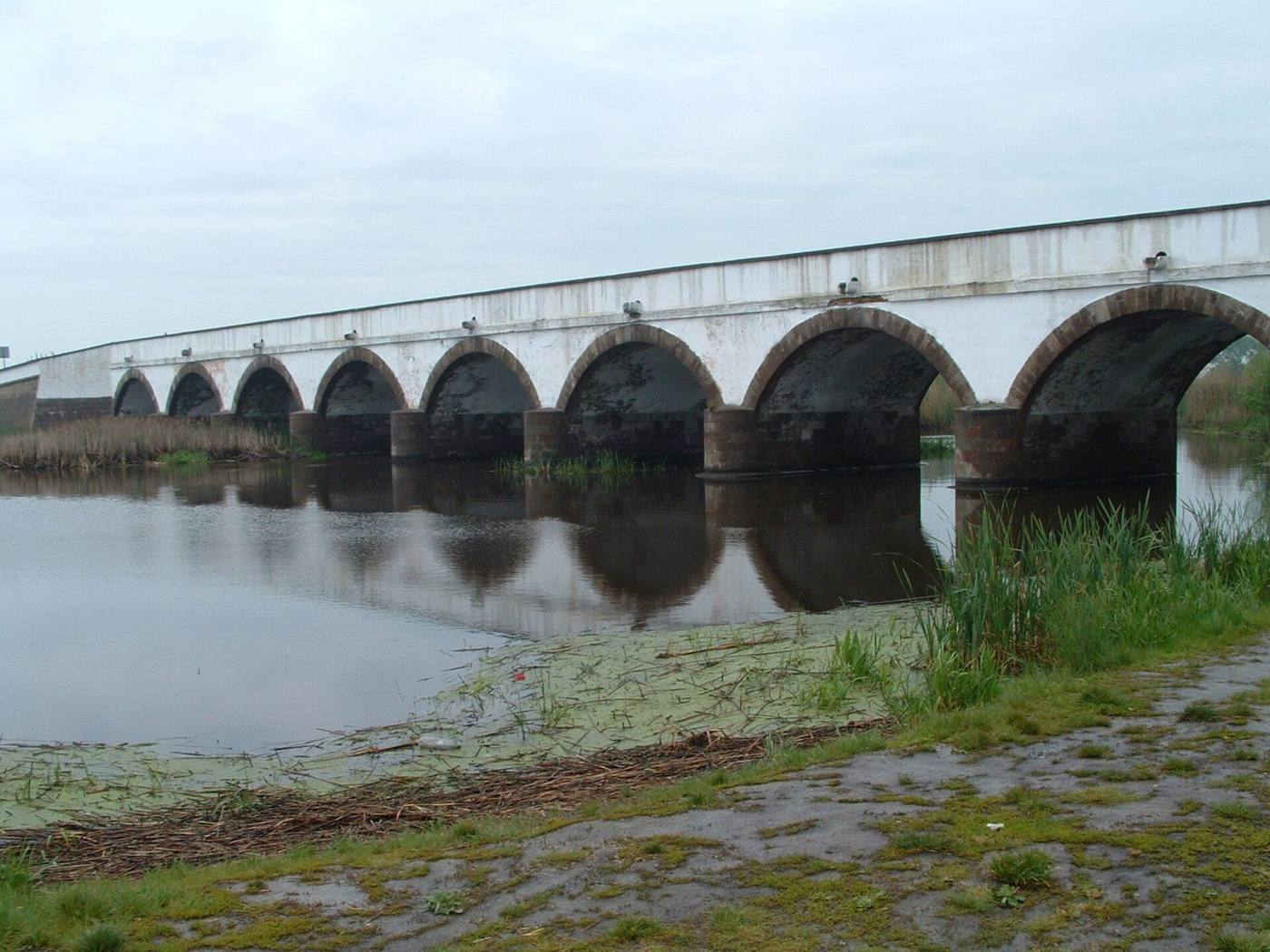
The Great Plain: the horsemen and grey cattle of the Hortobágy puszta, the Nine-Arch Bridge, migrating cranes and Debrecen.
 4 daysEasy
Pécs and the south
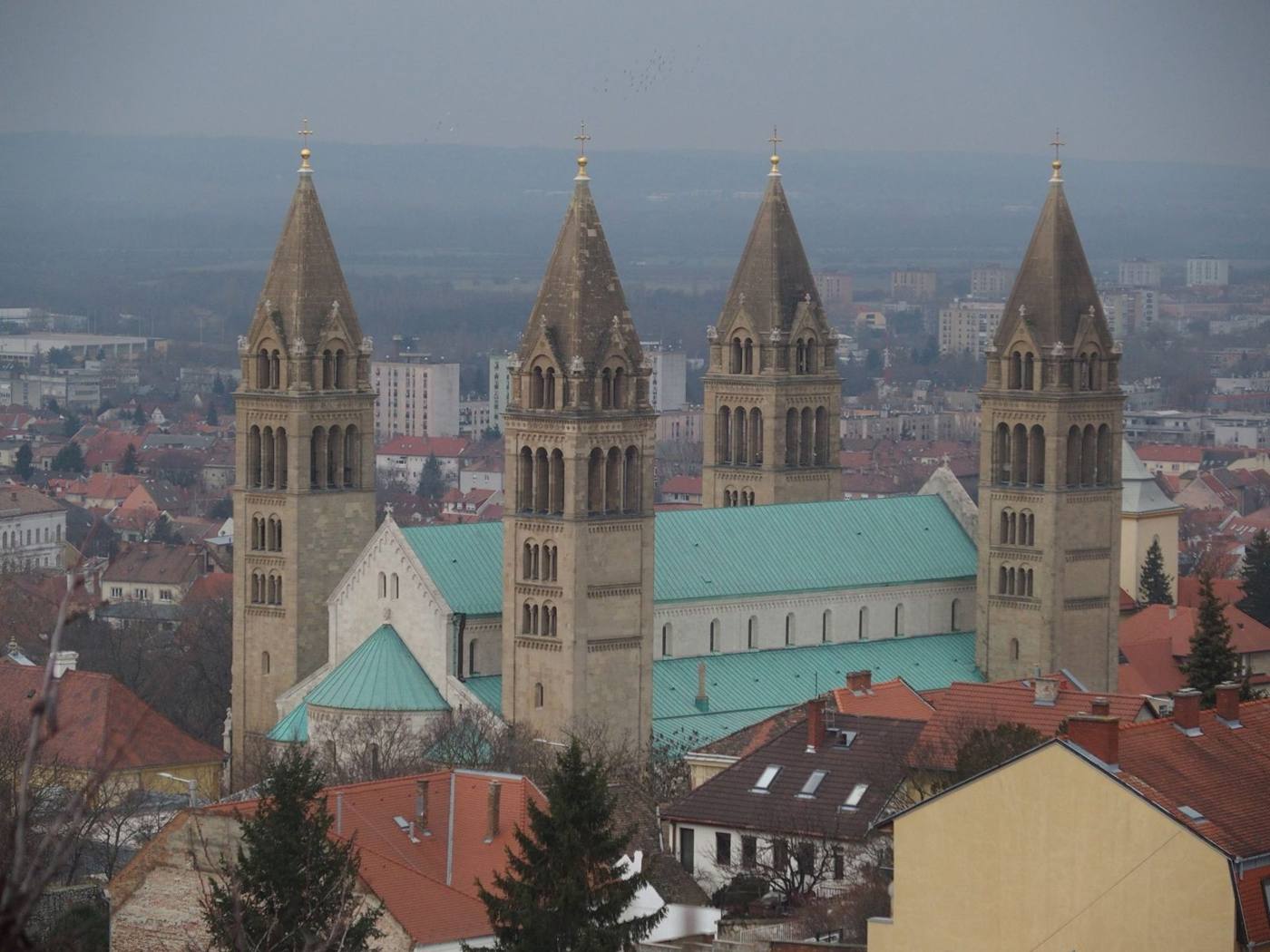
Hungary's Mediterranean city: the UNESCO early Christian necropolis, the mosque turned church, the Zsolnay quarter and the wines of Villány.
 6 daysEasy
The Hungarian spas
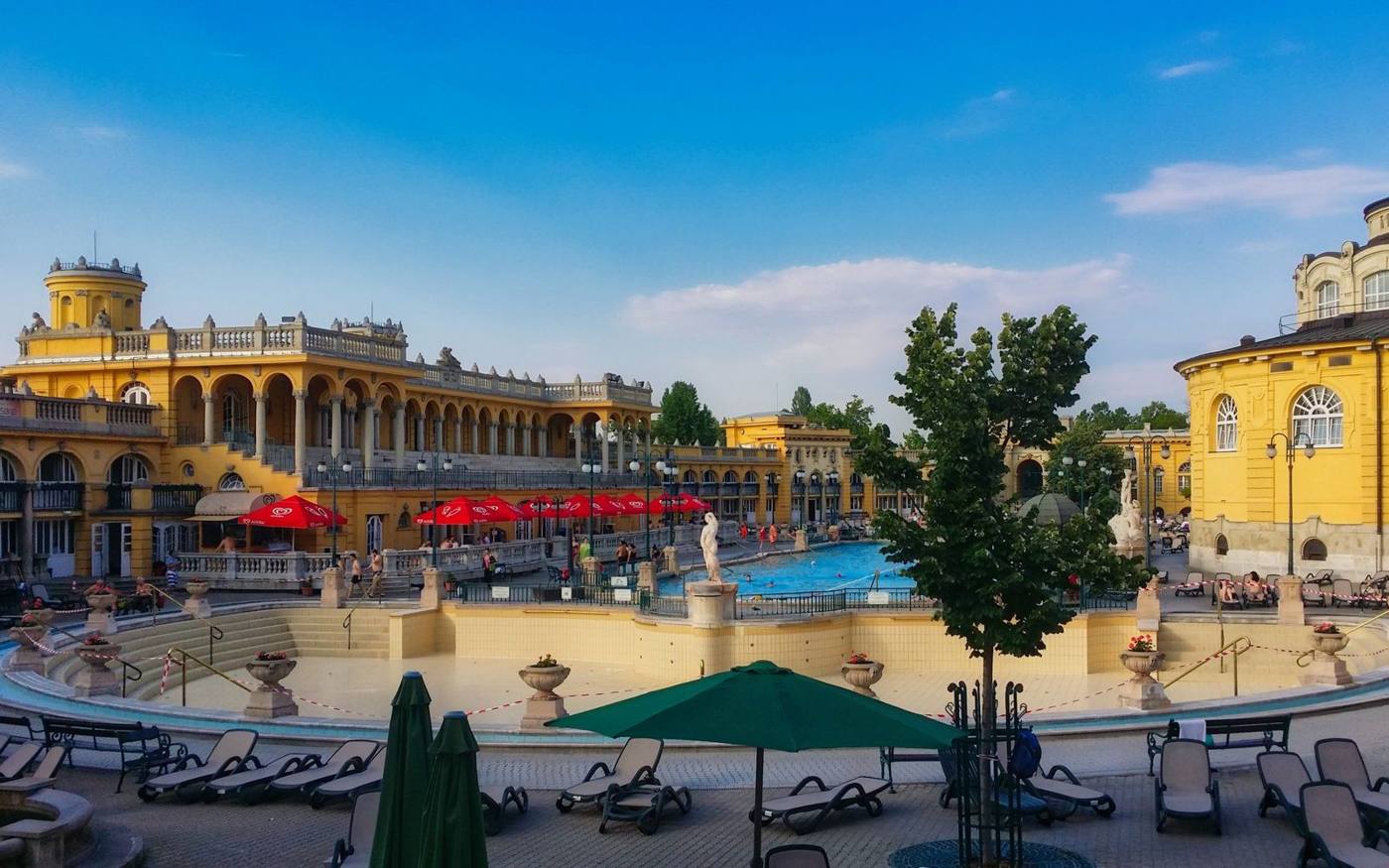
The land of hot waters: the Ottoman and Art Nouveau baths of Budapest, the thermal cave of Miskolctapolca, the travertine terraces of Egerszalók and the Hévíz lake.