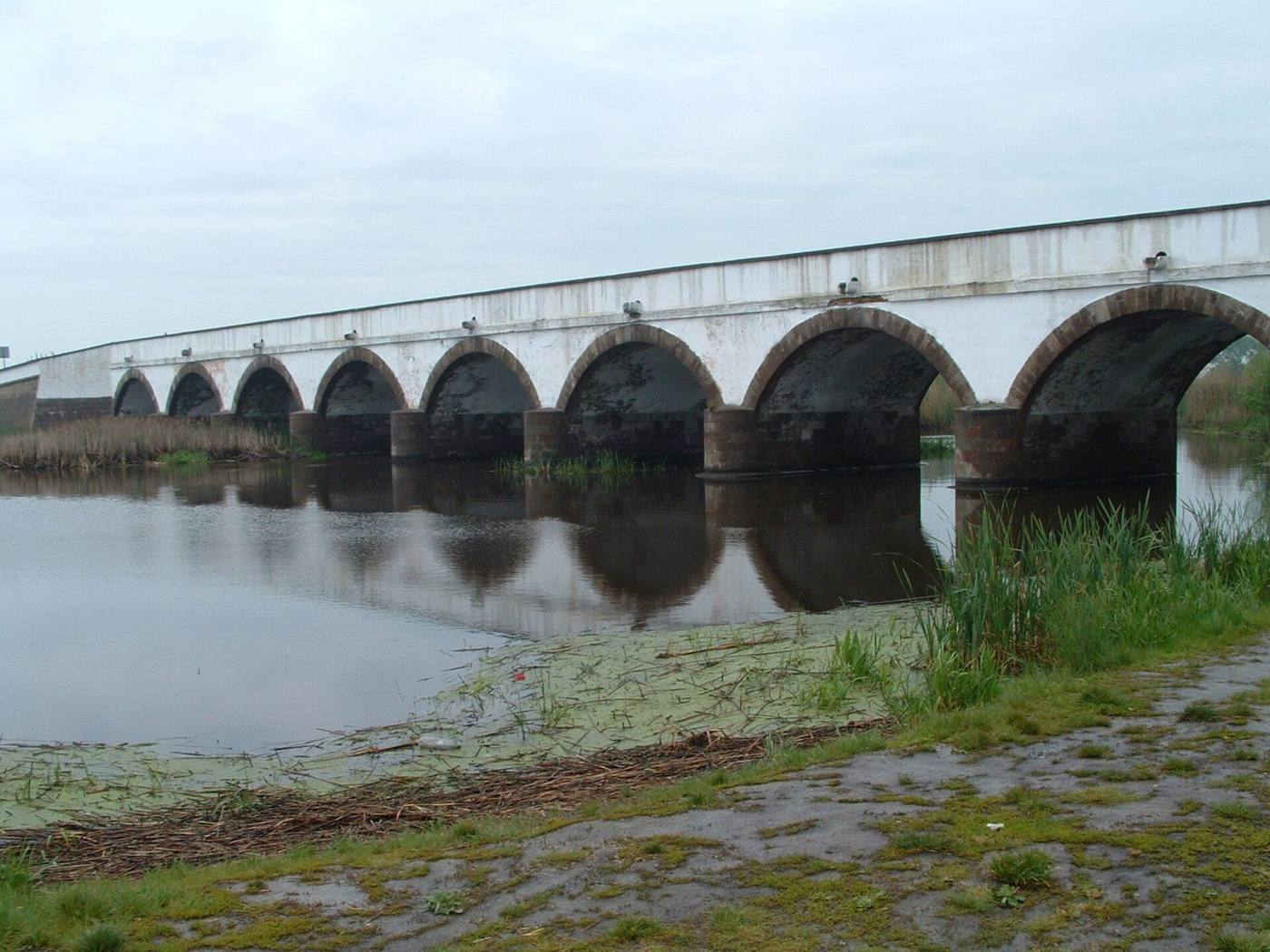
The Hortobágy puszta
The Great Plain: the horsemen and grey cattle of the Hortobágy puszta, the Nine-Arch Bridge, migrating cranes and Debrecen.
- Budapest
- Debrecen
- Hortobágy
- Tisza-tó
Day by day
- Day 1
Debrecen and the Great Reformed Church
This trip takes you to the Great Plain, the Hungary of the steppe: the Hortobágy puszta, the country's first national park and a UNESCO World Heritage Site, with its mounted herdsmen, long horned grey cattle and the Nine Arch Bridge; then the channels and birds of Lake Tisza and the city of Debrecen. Distances are long and the landscape is flat: a car is the most convenient option.
Before you go: Hungary is part of the European Union and the Schengen area, but the currency is the Hungarian forint, not the euro. Italian citizens only need an electronic identity card or a passport; the paper identity card has not been valid for travel abroad since 3 August 2026. Other nationalities should check their own rules. Motorways need an electronic vignette and drink driving has a zero tolerance limit.
From Budapest you reach Debrecen in about two and a half hours by car or train. It is Hungary's second city and the historic capital of Hungarian Calvinism, so much so that it is called the Calvinist Rome. Kossuth Square is dominated by the Great Reformed Church, yellow and neoclassical, the largest Protestant church in the country. Here, in April 1849, Lajos Kossuth proclaimed Hungary's independence from the Habsburgs. Climb the tower for the view over the plain. Check prices and times.
Behind the church is the Reformed College, an old school with a fine library. Then visit the Déri Museum, which displays the three great paintings of the Passion by Mihály Munkácsy. Check prices and times.
Sleep in Debrecen, for one night.
Practical tip: try Debrecen sausage, spiced with paprika and famous all over the country. You find it in the markets and in the inns of the centre.
- Day 2
The Hortobágy puszta and the Nine Arch Bridge
In the morning drive west for about forty minutes to the village of Hortobágy, in the heart of the national park. The park was created in 1973 and has been a UNESCO site since 1999: it protects one of the largest grassy steppes in Europe, with pastures, salt marshes and ponds, where shepherds and herdsmen have raised animals for centuries.
Start with the Nine Arch Bridge, a white stone bridge built in the nineteenth century over the small Hortobágy river, the longest stone bridge in Hungary. Next to it is the herdsmen's museum, with felt cloaks, carved sticks and the tools of life on the puszta. Check prices and times.
Then go to Máta, where the park runs horse drawn wagon rides across the pastures. You see herds of Hungarian grey cattle, with enormous horns, racka sheep with spiral horns and mangalica pigs, covered in curly hair. The most famous show is that of the csikós, the horsemen of the puszta in blue shirts and black hats: they make their horses lie down on the ground and drive the so called puszta five, standing on the backs of two horses with three more in front. Check prices and times.
In the afternoon visit the wildlife park, home to Przewalski's horses and other animals of the steppe.
Sleep in or near Hortobágy, for one night.
Practical tip: bring a hat, sun cream and mosquito repellent. There is no shade on the puszta and near the ponds there are plenty of mosquitoes, especially at sunset. Carry water in the car, as villages are far apart.
- Day 3
Lake Tisza by kayak or boat
Early in the morning, if you are travelling in autumn, go to the Hortobágy fishponds to see the cranes. In October tens of thousands of cranes stop here on their migration south: at dawn they take off from their night roosts, with a noise you can hear from far away. Follow the park's paths and observation towers and do not go close to the birds.
Then drive for about forty minutes to Lake Tisza, at Poroszló. It is the largest artificial lake in Hungary, created in the 1970s with a dam on the river Tisza. Today it is a world of channels, islets, reed beds and flooded woods, where herons, cormorants and many other water birds nest.
The best way to see it is by kayak or canoe, following the marked water trails through the reeds. You can hire a boat for a few hours or join a boat trip. Some areas are reserves you cannot enter: respect the signs. Check prices and times.
In Poroszló there is also a visitor centre with a large freshwater aquarium, where you see the fish of the Tisza and the Danube, and a lookout tower over the lake. Check prices and times.
In mid June the Tisza is famous for the Tisza blooming, when millions of mayflies emerge from the water for a few days and fly above the river.
Sleep near Lake Tisza, for one night.
Practical tip: in a kayak always wear a life jacket and carry water, a hat and a waterproof bag for your phone. On the lake the wind can rise quickly in the afternoon.
- Day 4
Back to Budapest and departure
Last day. In the morning take a final walk on the Lake Tisza embankment or on the nature trail through the reeds, when the birds are most active and the light is soft.
Then head for Budapest. The drive takes about two hours on the motorway. If you have time, stop in Eger, less than an hour from the lake, to see the fortress and the Ottoman minaret, or in Gödöllő, on the edge of the capital, where you find the baroque royal palace loved by Queen Elisabeth, known as Sisi. Check prices and times.
In these four days you have seen the Hungary of the steppe: the Great Reformed Church of Debrecen, the Hortobágy puszta with the Nine Arch Bridge, the horsemen, the grey cattle and the racka sheep, and the channels of Lake Tisza with their birds. It is a flat and immense landscape, best enjoyed slowly.
When to go: the best time is from May to October. October is the month of the cranes, with the most striking natural spectacle of the trip. In summer it is very hot on the plain, but Lake Tisza is perfect for kayaking and swimming. On 20 August, the national holiday, a large traditional fair is held at the Nine Arch Bridge. In winter the puszta is bare and many activities are closed.
Practical tip: before leaving buy some products of the puszta, such as mangalica salami, sheep's cheese or a small leather item carved by the herdsmen. They travel well and make a good souvenir of the plain.
Hungary's steppe, the country's first national park and a UNESCO site. In October tens of thousands of cranes stop here, a remarkable natural spectacle. The horse shows are touristy but well done. Distances are long and the landscape flat.
Before you go
- Documents and visa
- EU citizens need a valid identity card or passport: Hungary is in the EU and the Schengen area. Checks can be more frequent on the borders with Serbia, Croatia, Austria and Ukraine: always carry your document. Other nationalities should check the Schengen rules.
- Health and vaccines
- No vaccines required. Public healthcare is adequate; EU citizens should bring their EHIC, and everyone needs insurance covering medical costs and repatriation. Emergencies: 112, ambulance 104, police 107, fire 105.
- Money and payments
- Hungarian forint (HUF), not the euro. Cards are accepted almost everywhere; when a card machine or cash machine offers to convert into euros or pounds, choose to pay in forints. Motorways need an electronic vignette (e-matrica), bought on the official website or at authorised sales points before you join the motorway.
- Power sockets
- Types C and F, 230 volts.
- Time zone
- Central European Time (UTC+1, summer UTC+2).
- Safety
- There are no areas to avoid, but take normal precautions. Watch for pickpockets in crowded places, thefts from changing rooms at baths and pools, fake taxis and Budapest nightclubs that charge huge bills. Drink driving has a zero tolerance limit, and outside built up areas dipped headlights must be on in daytime too. Official advice: GOV.UK.
Information checked in November 2026 for Italian and EU citizens. Rules change: always check before you travel.
Variations
In 3 days: Debrecen in the evening, the Hortobágy puszta the next day and Lake Tisza in the morning before heading back.
In 6 days: add Eger and Tokaj, with the fortress, the wine hills and the town of Sárospatak.
Frequently asked questions
When can you see the cranes at Hortobágy?
Above all in October, when tens of thousands of cranes stop at the ponds during their migration. You see them best at dawn and dusk, from the park's observation towers.
Are the horsemen's shows touristy?
Yes, they are designed for visitors, but they are well done and show real techniques of the puszta herdsmen. Check prices and times, as out of season they take place less often.
Can you do the trip without a car?
Partly. Debrecen has trains from Budapest and there are buses to Hortobágy, but for Lake Tisza and for getting around the puszta a car is much more convenient.
Indicative itinerary written by World Atlas. Before booking, check timetables, seasonal openings, documents and safety.
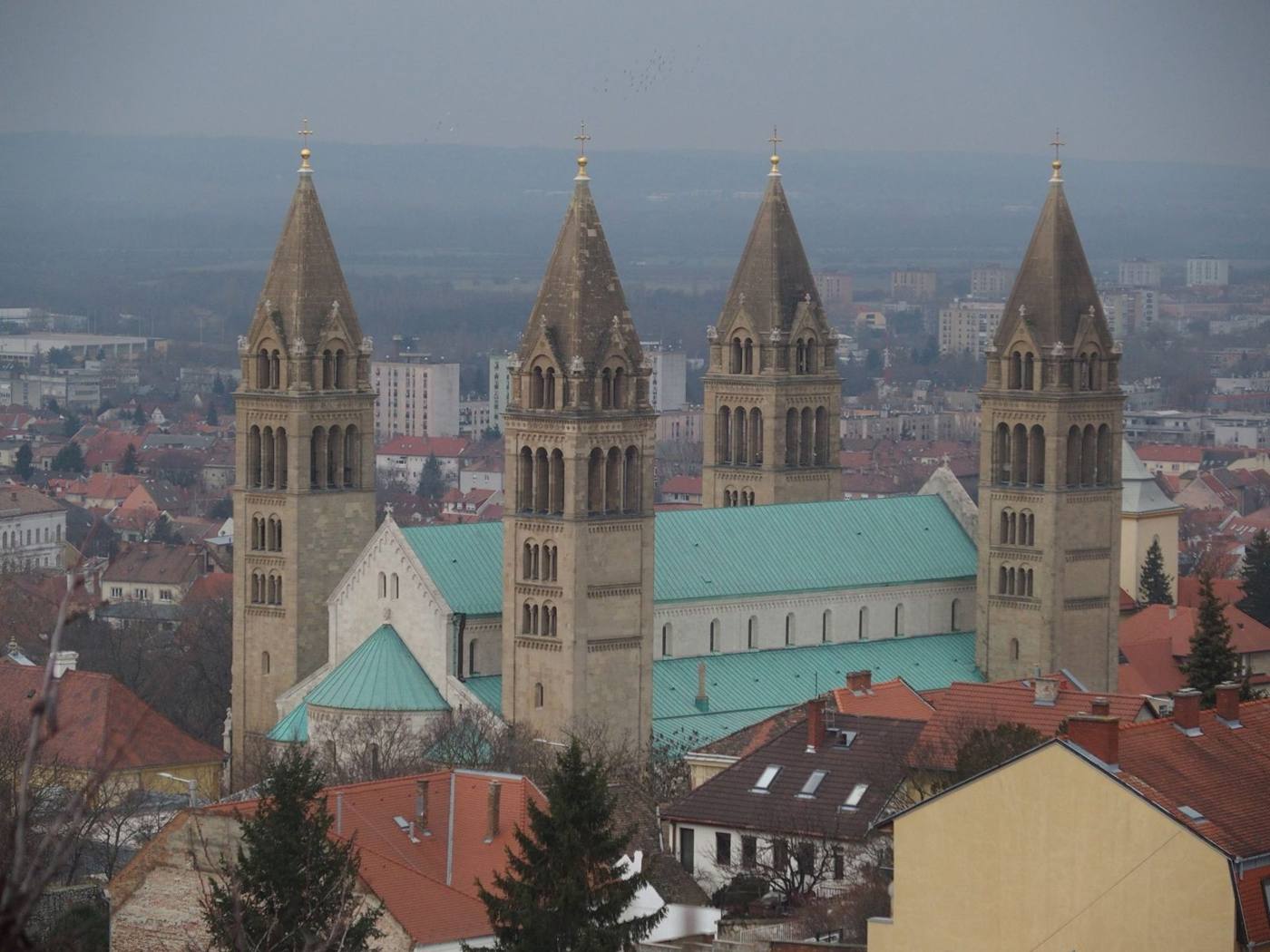 4 daysEasy
Pécs and the south
Hungary's Mediterranean city: the UNESCO early Christian necropolis, the mosque turned church, the Zsolnay quarter and the wines of Villány.
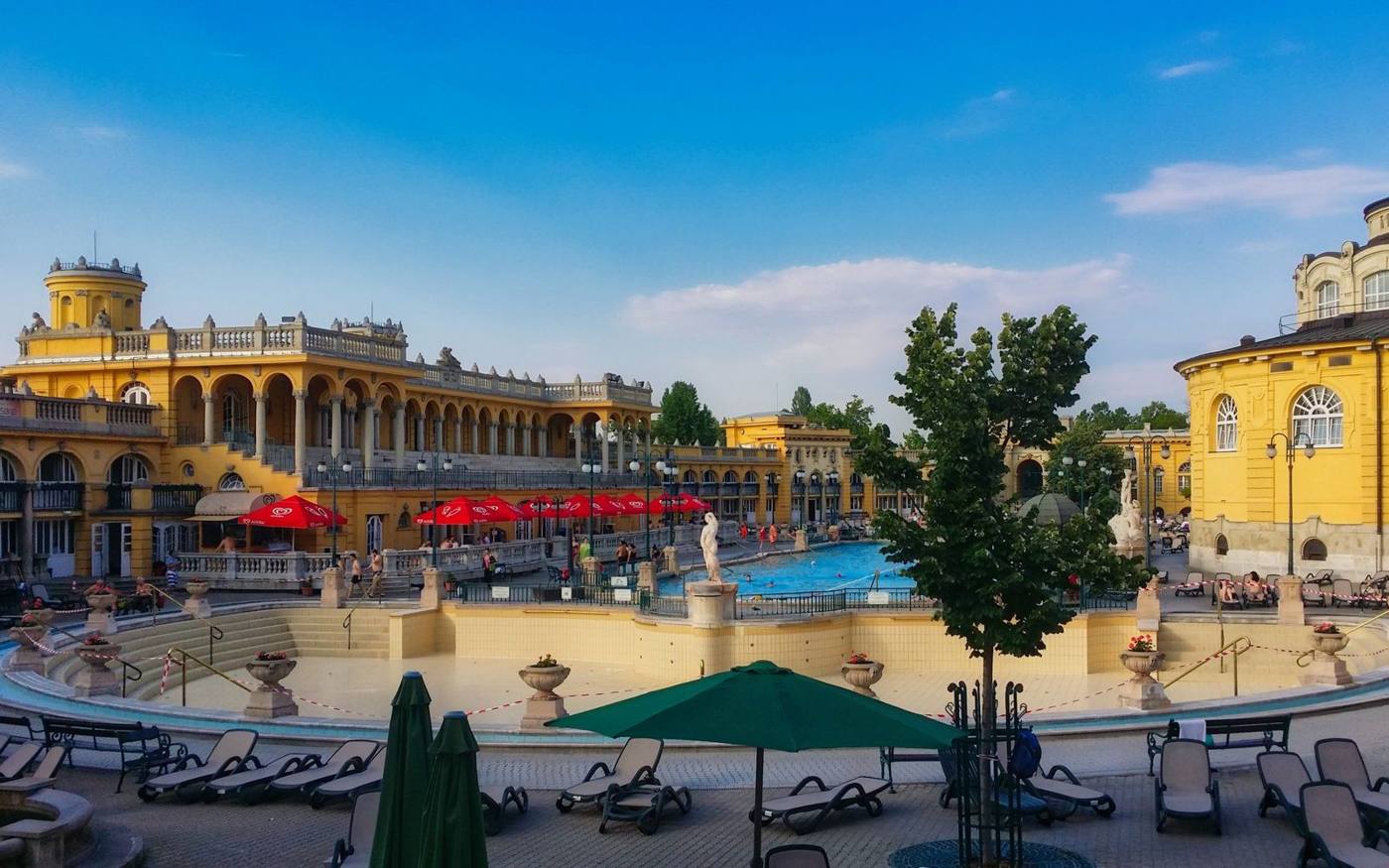 6 daysEasy
The Hungarian spas
The land of hot waters: the Ottoman and Art Nouveau baths of Budapest, the thermal cave of Miskolctapolca, the travertine terraces of Egerszalók and the Hévíz lake.
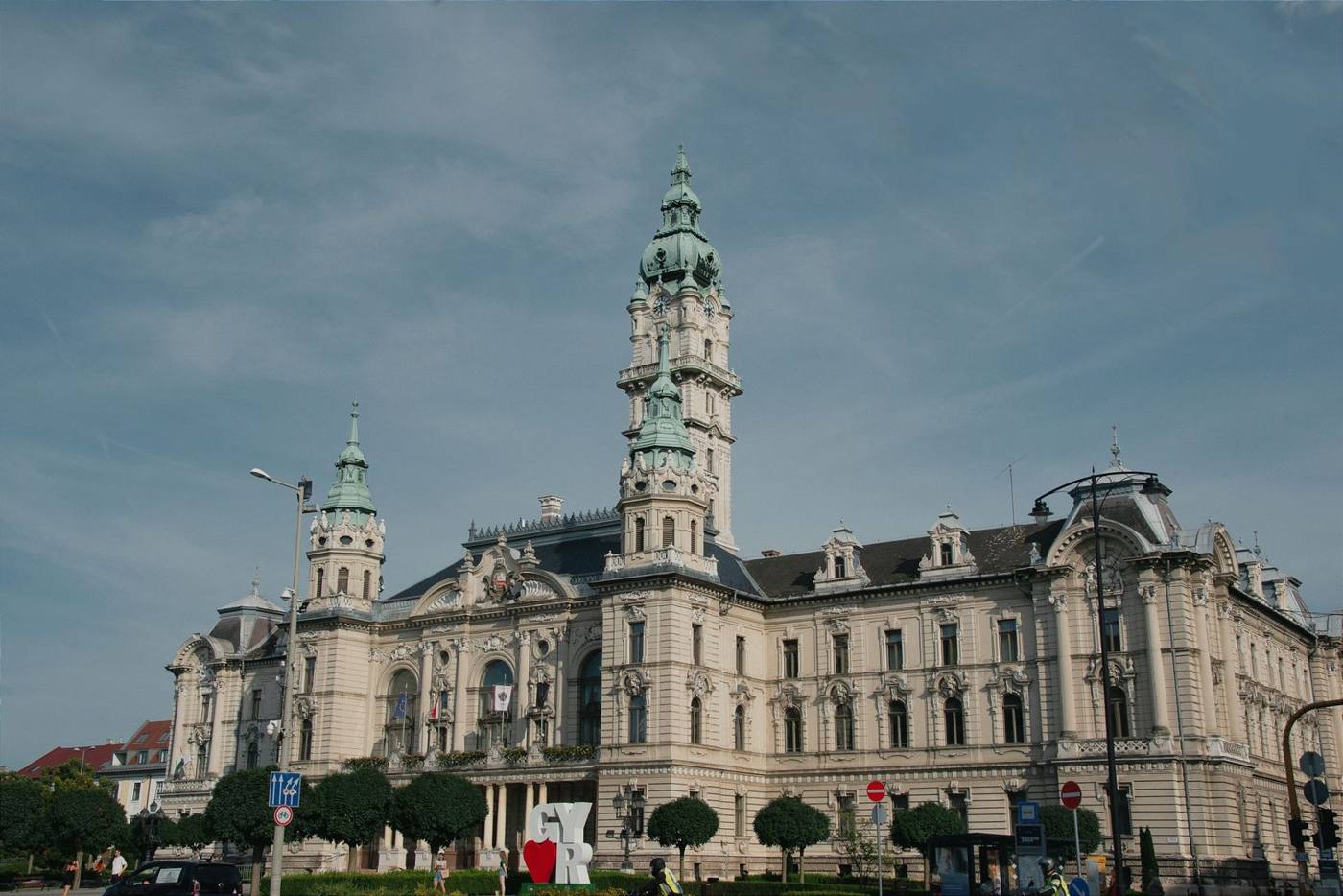 4 daysEasy
Sopron and Pannonhalma
Western Hungary: the medieval town of Sopron and UNESCO-listed Lake Fertő, the Esterházy Palace at Fertőd and the thousand-year-old Benedictine abbey of Pannonhalma.