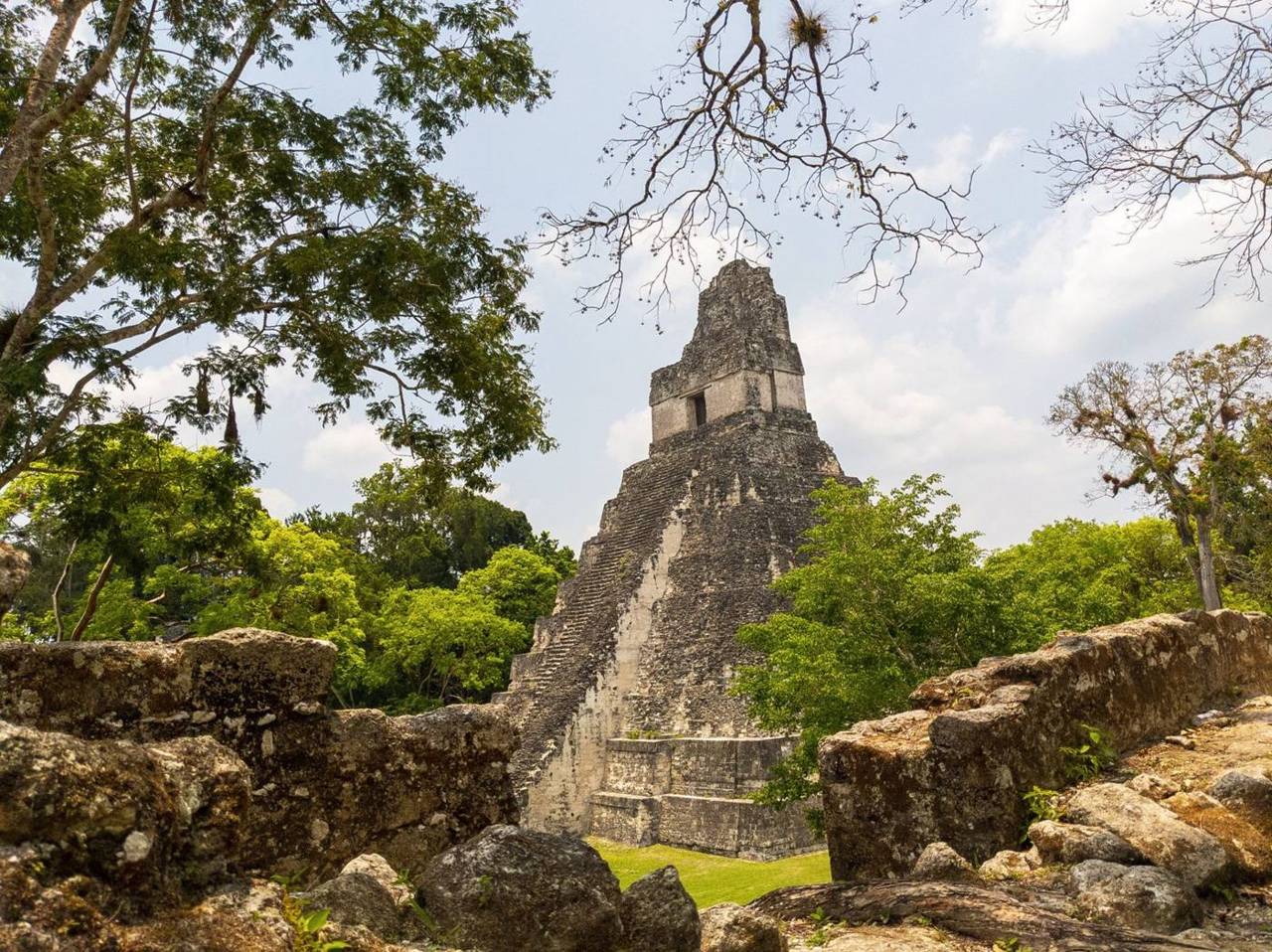
Tikal and the Petén
The great Maya city of Tikal in the jungle, with howler monkeys and toucans, sunrise from Temple IV and the island town of Flores on Lake Petén Itzá.
- Flores
- Tikal
- Temple IV
- Yaxhá
Day by day
- Day 1
The flight to Flores and arrival at Tikal
This four-day trip takes you to Petén, the forest-covered north of Guatemala: Tikal, the great Maya city in the jungle, with howler monkeys, toucans and the dawn from Temple IV, the island of Flores on Lake Petén Itzá and the Maya city of Yaxhá, with the sunset over its lagoon.
Before you go: Italian citizens enter Guatemala with a passport valid for at least six months from the date of arrival, and without a visa for stays of up to 90 days, which count in total for El Salvador, Honduras and Nicaragua too; before entering, complete the online immigration declaration. Other nationalities should check their own rules. The United States advises reconsidering travel to Guatemala because of crime, but lists Tikal among the places its staff can visit. The United Kingdom reports armed robberies on Petén's roads and Canada advises against the Melchor de Mencos crossing into Belize: that is why you arrive and leave by plane, move only by day with organised transport and do not continue overland to Belize.
In the morning fly from Guatemala City to Flores, in about an hour. Have lunch on the island of Flores and walk the cobbled lanes among the colourful houses, up to the white church at the top.
In the early afternoon set off with organised transport for Tikal National Park, about an hour and a quarter away, and arrive before sunset. Sleep in one of the lodgings near the park entrance: that way tomorrow you will be among the temples before the groups.
Sleep at Tikal, for two nights.
Practical tip: buy your park ticket in advance and, if you want the sunrise, the special permit to enter before opening time: check prices and times.
- Day 2
Tikal from dawn to dusk
Today you spend the whole day at Tikal, one of the largest and most impressive Maya sites, a UNESCO World Heritage Site since 1979.
Get up before four and enter the park with an authorised guide. Walk in the dark with a torch for about an hour to Temple IV, the tallest at Tikal, and climb the wooden staircase to the platform at the top. As the sky grows lighter, you see the tops of the temples rising out of the mist above the forest and hear the howler monkeys and birds waking up. It is the view that also appears in a scene of the first Star Wars film.
Tikal reached its peak in the Classic period, between the third and ninth centuries, when it was one of the most powerful cities in the Maya world. With your guide visit the Great Plaza, with Temple I, known as the Great Jaguar, and Temple II facing each other, the North Acropolis with its layered temples and the Central Acropolis, with the palaces of the nobles. Then go on to Mundo Perdido, with its great, older pyramid.
Along the trails you see coatis, ocellated turkeys, toucans, parrots and spider monkeys.
In the late afternoon head back towards the entrance and watch the sunset over the forest.
Sleep at Tikal.
Practical tip: carry at least two litres of water, food and repellent: the site is huge and the facilities are only near the entrance.
- Day 3
Yaxhá and the sunset over the lagoon
Today you visit Yaxhá, another great Maya city, much quieter than Tikal.
In the morning, after a last walk in the Tikal forest to look for wildlife, set off with organised transport. In about an hour you reach Yaxhá, inside the Yaxhá, Nakum and Naranjo National Park; the last few kilometres are on a dirt road. Pay the entrance fee: check prices and times.
Yaxhá stands on a ridge between two lagoons. Walk with your guide among plazas, acropolises and ball courts, with many buildings still covered by the forest. Here you meet few other visitors, and spider monkeys often pass right over your head.
In the late afternoon climb the wooden staircase of the tallest temple. From the top you see the Yaxhá lagoon and the forest stretching to the horizon. At sunset the sky turns orange and red and the howler monkeys begin their chorus.
To avoid driving at night in Petén, sleep in one of the simple lodgings on the shore of the lagoon, near the park.
In the evening have a simple dinner and look at the stars, far from the lights of the towns.
Sleep on the Yaxhá lagoon.
Practical tip: crocodiles live in the lagoon: do not swim, not even close to the shore.
- Day 4
The return from Flores
Today is your last day in Petén.
At dawn go out to the shore of the Yaxhá lagoon: herons, cormorants and kingfishers fish in the still water, while the mist slowly lifts with the sun. Have a leisurely breakfast.
Late in the morning leave with organised transport for Flores, again by day, in about an hour and a half. Have lunch on the lakeside with pescado blanco, the lake fish, grilled with rice and tortillas, and take a last walk on the island.
In the afternoon take the flight to Guatemala City. On this trip we do not continue overland to Belize: the Melchor de Mencos crossing is advised against because of crime. If you want to continue your trip in Belize, look into flights.
In these four days you have seen Petén: the dawn from Temple IV above the forest, the Great Plaza and acropolises of Tikal, the jungle wildlife, the sunset and dawn on the Yaxhá lagoon and the colourful houses of Flores on the lake. It is one of the most impressive Maya sites, with the forest still all around.
When to go: from November to April, in the dry season, the trails are less muddy and there are fewer mosquitoes. Between November and June there can be forest fires in Petén and smoke in the air; from May to October it rains often.
Practical tip: ask for a window seat: on take-off from Flores you see the lake and the forest from above.
One of the most impressive Maya sites, still surrounded by forest. Sleeping near the park lets you be there before the groups. The bus route to Belize is simple and frequent.
Before you go
- Documents and visa
- Passport valid for at least six months from your arrival date; no visa is needed for stays of up to 90 days. The period counts in total for Guatemala, El Salvador, Honduras and Nicaragua and does not restart when you cross from one country to another. Before entering and leaving, complete the online immigration declaration and keep the QR code. The airport departure tax is usually included in your ticket.
- Health and vaccines
- There is a risk of dengue, Zika and chikungunya, and of malaria in some lowland areas: ask a travel health clinic. If you arrive from a country at risk you need a yellow fever vaccination certificate. In Antigua, Xela and on the volcanoes you feel the altitude and nights are cold. Drink bottled water. You need insurance covering medical costs and repatriation.
- Money and payments
- Quetzal. US dollars are easy to change, but in markets and villages you pay in quetzales. Cards work in hotels and town shops; use cash machines by day, inside banks or shopping centres.
- Power sockets
- Types A and B, 120 volts: you need an adapter for American plugs, and check that your devices accept this voltage.
- Time zone
- UTC-6 all year.
- Safety
- The United States advises reconsidering travel because of crime and says do not travel to the departments of San Marcos and Huehuetenango, Zone 18 of Guatemala City and Villa Nueva. The United Kingdom advises against all but essential travel within 5 km of the Mexican border, from the Pacific coast up to the Gracias a Dios crossing, and to some towns in Huehuetenango. Since mid-November 2026 a 30-day state of exception has been in force in the departments of Izabal and Zacapa. Canada advises against the Melchor de Mencos crossing into Belize. There have been armed robberies on tourist routes: travel by day, by shuttle or organised transport, and avoid public buses. Before climbing volcanoes check the INSIVUMEH and CONRED alerts and go with authorised guides. Official advice: GOV.UK.
Information checked in November 2026 for Italian and EU citizens. Rules change: always check before you travel.
Variations
Shorter: three days, with Flores and Tikal, without Yaxhá, and the return flight from Flores.
Longer: add a day in Flores, with a boat trip on the lake and the small site of Topoxté in the Yaxhá lagoon.
Frequently asked questions
Is it worth seeing the sunrise at Tikal?
Yes, if the sky is clear: the temples rise out of the mist and the forest wakes up. Often, though, the mist is thick; even so, hearing the howler monkeys in the dark is worth the early start.
Can I go to Belize from Tikal?
We do not recommend going overland: the Melchor de Mencos crossing is advised against because of violent crime. Fly back to Guatemala City and look into flights to Belize.
How much walking is there at Tikal?
A lot: in one day you easily cover ten kilometres or more, on dirt trails through the forest, plus the wooden staircases of the temples. Bring comfortable shoes and water.
Indicative itinerary written by World Atlas. Before booking, check timetables, seasonal openings, documents and safety.
 5 daysModerate
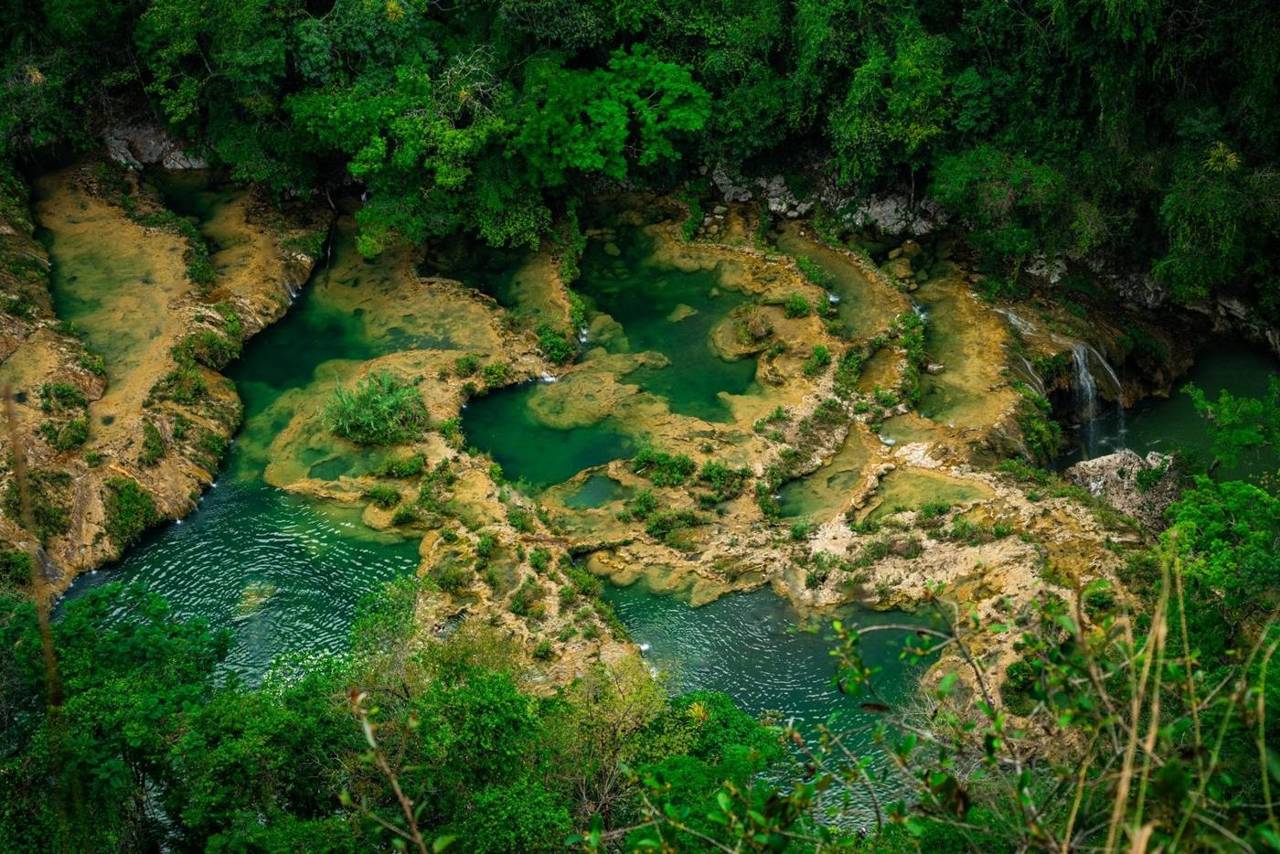
Semuc Champey and the Verapaces
The turquoise pools of Semuc Champey above an underground river, the K'anba cave by candlelight and the cardamom farms of Cobán.
 2 daysEasy
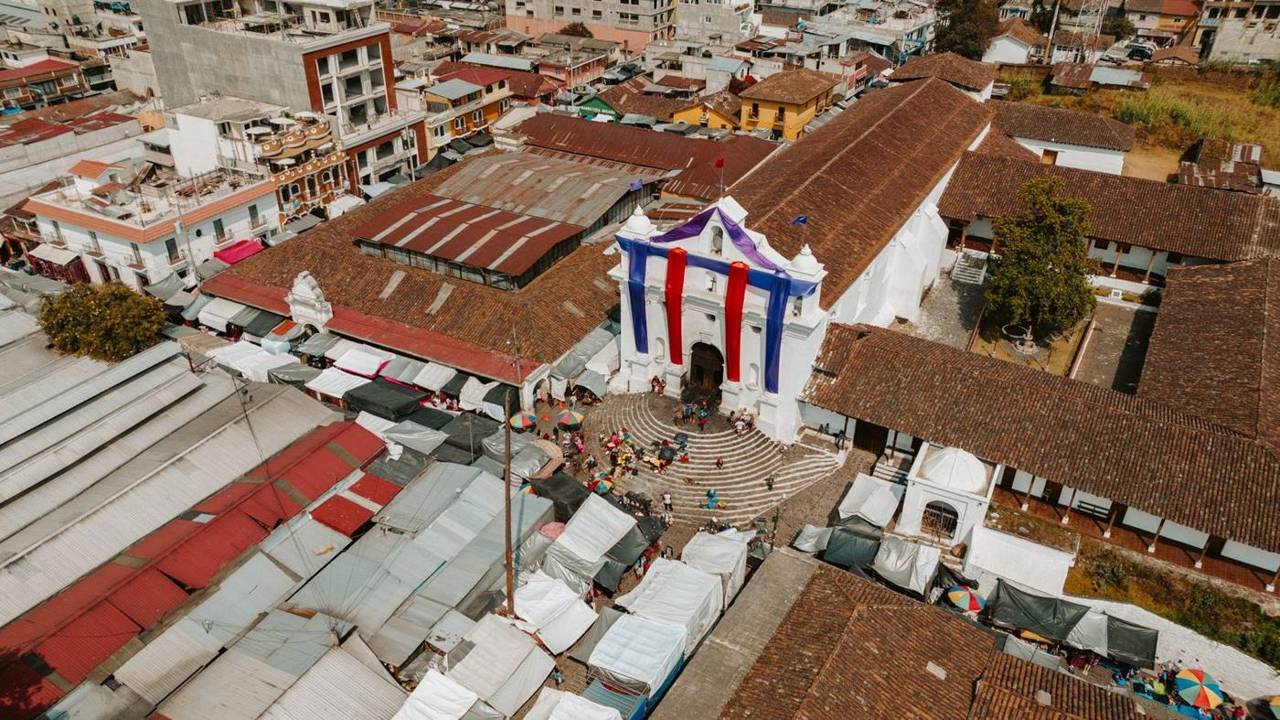
Chichicastenango
Central America's most famous Maya market, on Thursdays and Sundays, with Santo Tomás church, incense rituals on its steps and the colourful cemetery.
 3 daysModerate
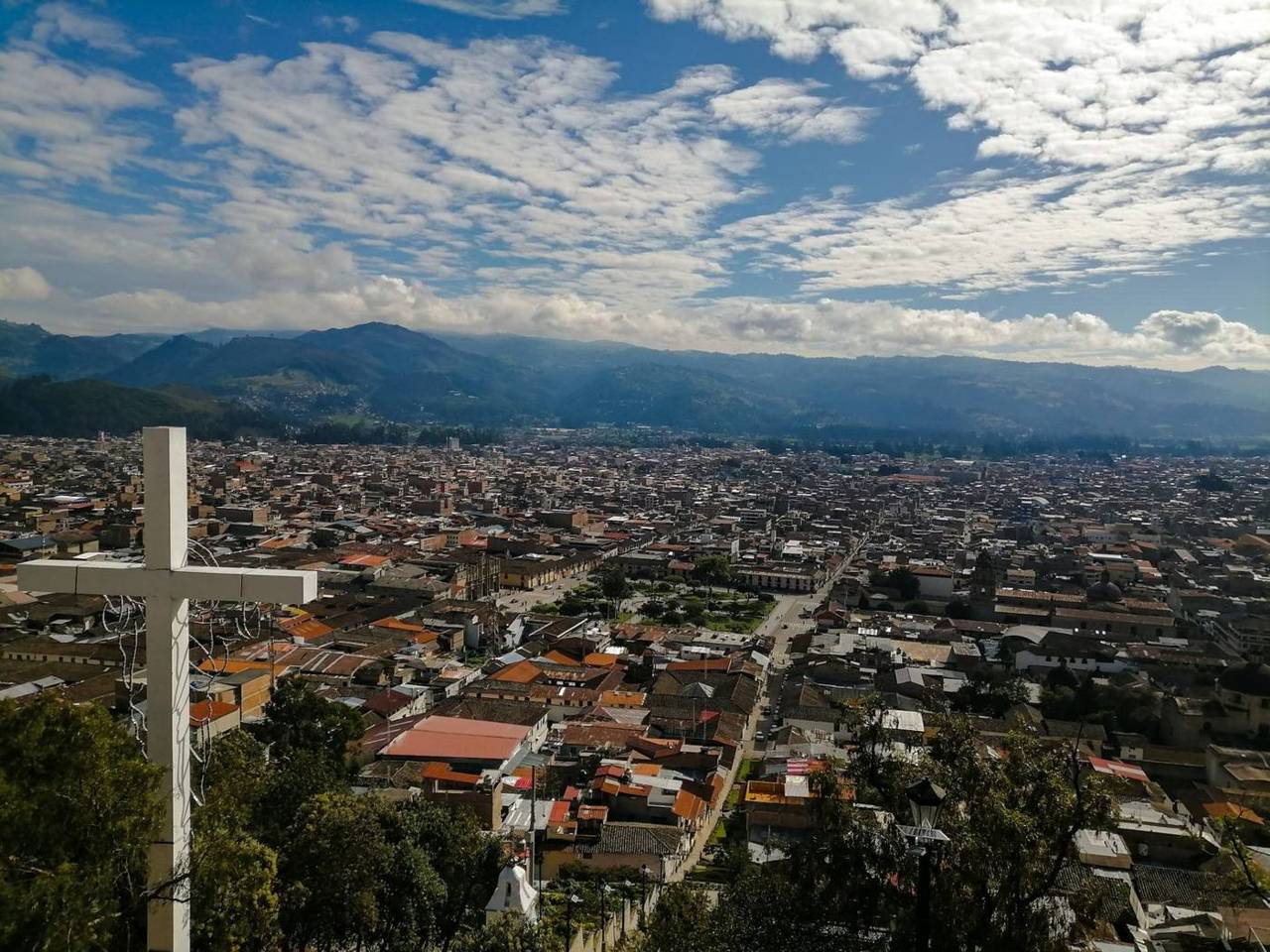
Xela and Laguna Chicabal
Quetzaltenango, the second city, with its Spanish schools, the Fuentes Georginas hot springs and the sacred lake in the Chicabal crater, wrapped in mist.