Crete from west to east
The beaches of Balos and Elafonissi, the Samaria Gorge, Knossos and the inland villages.
- Chania
- Balos
- Elafonissi
- Samaria
- Rethymno
- Knossos
- Heraklion
Day by day
- Day 1
Arrival in Chania and the Venetian harbour
Greece is part of the Schengen area: EU citizens need only a valid identity card. Every accommodation charges a per-night climate tax, which varies by category and season.
Crete is the largest Greek island, about 260 kilometres long, with mountains over two thousand metres high, gorges, beaches and Venetian towns. It was the centre of Minoan civilisation, Europe's first great civilisation. This trip crosses it from west to east, so it is best to fly into Chania and leave from Heraklion, renting a car for the whole trip.
Chania is considered the island's most beautiful town. In the afternoon walk around the Venetian harbour, with its sixteenth-century lighthouse at the end of the breakwater, the domed Mosque of the Janissaries and colourful houses overlooking the water. Behind the harbour lies the old town, with narrow lanes, leather workshops on the street called Stivanadika and the Venetian, Turkish and Jewish quarters, with the restored Etz Hayyim synagogue.
The cross-shaped covered market is a good place to taste Cretan produce: cheese, honey, mountain herbs and olive oil.
In the evening dine on the harbour with Cretan cooking: dakos, barley rusk with tomato and cheese, wild greens, lamb and raki, the spirit offered at the end of the meal.
Practical tip: many mountain roads in Crete are narrow and winding; rent a suitable car and plan driving times carefully.
- Day 2
Balos lagoon
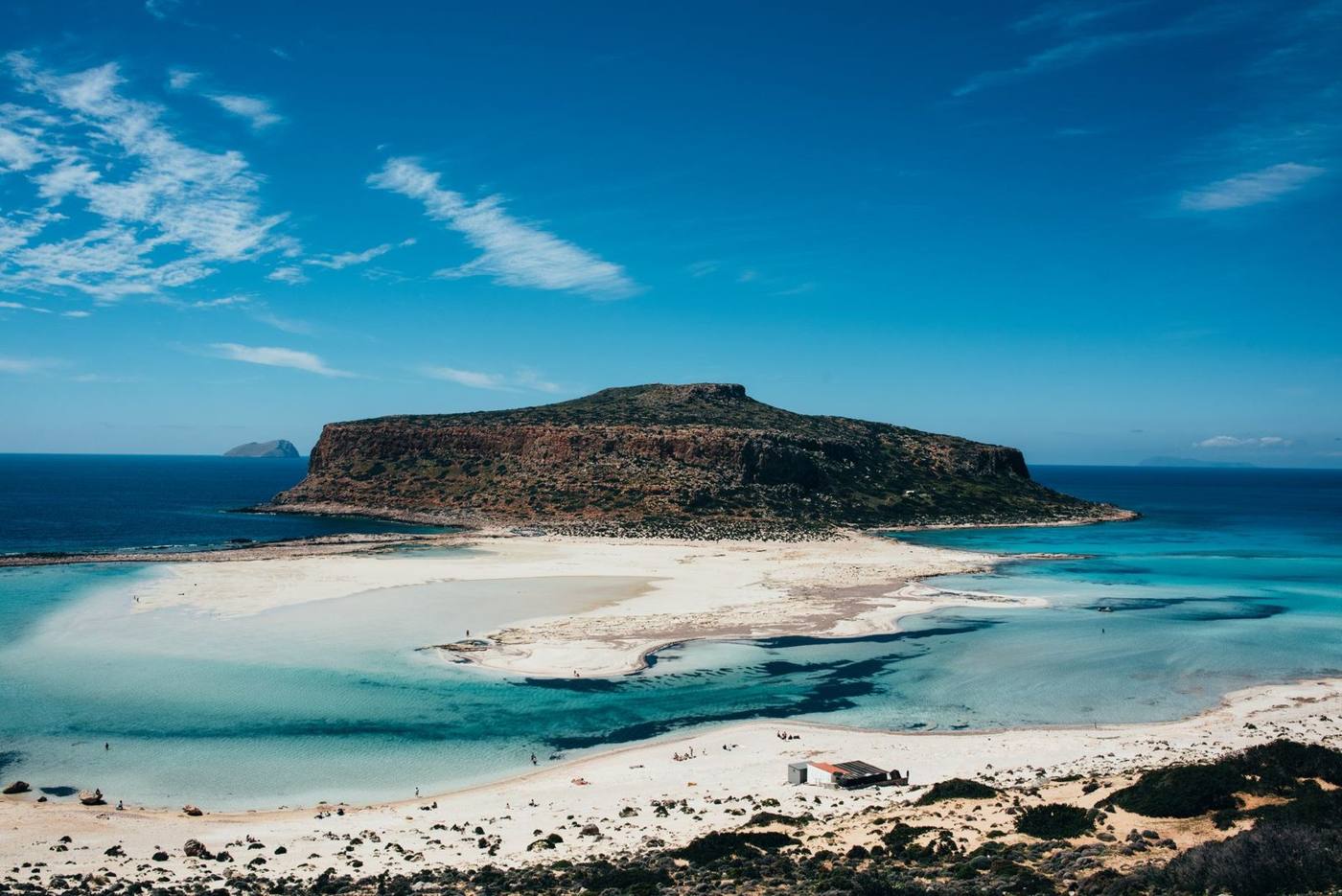
Today is Balos lagoon at the north-western tip of the island, on the Gramvousa peninsula, one of Crete's most famous images: a shallow lagoon of turquoise and white water with pale, pinkish sand, between Cape Tigani and the peninsula, in a protected area.
There are two ways to get there. The first is the boat from Kissamos harbour, about forty minutes from Chania, which also stops at the island of Imeri Gramvousa, with a Venetian castle on top overlooking the whole lagoon; the boat makes a full-day trip. The second is to drive a long, potholed dirt road to the car park above the lagoon, then walk down in about half an hour, with an uphill return in the sun. Many rental companies do not cover damage on dirt roads: check your contract.
From the path, just before the descent, you see the lagoon from above: the best spot for photos.
In the lagoon the water is shallow and warm, perfect for a gentle swim.
In the evening return to Chania or stay in Kissamos, a quiet town on the gulf.
Practical tip: at Balos there is no shade and few facilities; bring water, food, an umbrella and sunscreen. The area is protected: do not take sand or shells, and stay on marked paths.
- Day 3
Elafonissi, the pink beach
In the morning drive south-west to Elafonissi, about an hour and a half from Chania, through gorges and mountain villages such as Topolia, with a small chapel inside a cave above the gorge.
Elafonissi is one of Greece's most famous beaches: an islet separated from the coast by a shallow lagoon you can wade across knee-deep. In places the sand is pink, coloured by fragments of shells and tiny marine organisms. The water is shallow and warm, perfect for children. The area is a protected nature reserve where birds nest and sea lilies grow.
In the afternoon, if you like, visit the blue and white Chrysoskalitissa monastery, a few kilometres away, on a rock above the sea; according to legend one of its ninety steps is made of gold, but only the sinless can see it.
On the way back stop in the villages around Kissamos, known for olive oil and chestnut groves.
In the evening return to Chania and get ready for tomorrow, which starts very early.
Practical tip: arrive at Elafonissi early in the morning or late in the afternoon, because in the middle of a summer day it is very crowded. Do not take the pink sand: it is forbidden and damages the beach. On days of strong north wind the sea is rough.
- Day 4
The Samaria Gorge
Today is the Samaria Gorge, in the White Mountains National Park, Lefka Ori, one of the longest gorges in Europe and a UNESCO biosphere reserve. The gorge is usually open from May to October, but can close on days of rain or strong wind.
You leave Chania early in the morning, by bus or on an organised trip, for the Omalos plateau at about 1,200 metres, where the Xyloskalo entrance is. The trail descends for about sixteen kilometres, first steeply through a forest of pines and cypresses, then along the riverbed between rock walls hundreds of metres high. Halfway you pass the abandoned village of Samaria. The most famous point is the Iron Gates, where the walls close in to just a few metres apart. The kri-kri, Crete's wild goat, lives in the gorge.
The descent takes five to seven hours. The trail ends at Agia Roumeli on the south coast, reachable only on foot or by boat, where you can swim in the Libyan Sea. From here the ferry takes you to Sougia or Chora Sfakion, where buses wait for Chania.
The park ticket costs 10 euros and is bought online on the official website; EU citizens under 18 and over 65 enter no-cost.
Practical tip: you need hiking shoes, water, food and a hat. Sandals are forbidden. Check ferry times before setting off.
- Day 5
Rethymno
After the effort of the gorge, today is a quieter day. In the morning drive east to Rethymno, about an hour from Chania, Crete's third town, with one of the island's best-preserved old towns.
Walk through the old town, a tangle of lanes with Venetian houses with carved doorways, Turkish wooden balconies called kioski, fountains and minarets. The seventeenth-century Rimondi Fountain, with water flowing from lion heads, is the heart of the quarter. The Neratze Mosque, with its minaret, is now a concert hall.
Climb to the Fortezza, a great Venetian fortress built on the hill above the sea at the end of the sixteenth century to defend the town from pirates and the Ottomans. Inside the walls are a mosque with a large dome, churches and views over the sea and the town.
In the afternoon stroll along the small Venetian harbour, with its lighthouse and fishing boats, and relax on the long sandy beach east of the town.
In the evening dine in the old town: in Rethymno they make kalitsounia, small pies filled with fresh cheese and mint, and honey sweets.
Practical tip: on the beaches of northern Crete, on windy days the sea can be dangerous: respect the red flags and the lifeguards' instructions.
- Day 6
Arkadi Monastery and the uplands
In the morning visit Arkadi Monastery, about half an hour south-east of Rethymno, the symbol of Crete's struggle for freedom. The monastery, with the fine Venetian Renaissance facade of its church, stands on a plateau among olive trees and mountains.
In 1866, during the revolt against the Ottoman Empire, hundreds of Cretans, mostly women and children, took refuge in the monastery, besieged by the Ottoman army. When the soldiers broke in, the defenders blew up the powder magazine, choosing death over surrender. The event moved Europe and helped the cause of Cretan independence. You visit the roofless powder magazine, the museum and the ossuary with the defenders' remains.
In the afternoon continue inland to mountain villages such as Anogia, at the foot of Mount Ida, Psiloritis, Crete's highest mountain. Anogia is a shepherds' village famous for Cretan music played on the lyra, handmade textiles and the proud character of its people. In 1944 it was destroyed by the Germans in reprisal.
Alternatively visit Melidoni cave, with stalactites and a tragic history from the revolt of 1824.
In the evening stay near Rethymno or continue towards Heraklion.
Practical tip: mountain villages are cool in the evening, even in summer; bring a jumper.
- Day 7
Knossos and the Heraklion museum
Today is Minoan civilisation. Early in the morning visit the palace of Knossos, about twenty minutes from Heraklion, the most important centre of Minoan civilisation, which flourished between the third and second millennia BC. According to myth, this was the site of the labyrinth built by Daedalus for King Minos, where the Minotaur lived.
The palace, with hundreds of rooms on several floors, storerooms with large jars, courtyards and staircases, was excavated in the early twentieth century by the English archaeologist Arthur Evans, who rebuilt some parts in concrete and painted the columns red: the reconstructions are debated, but they help you imagine the palace. You see the throne room, with the oldest stone seat in Europe, and copies of the colourful frescoes. The ticket costs 20 euros.
In the afternoon visit the Heraklion Archaeological Museum, one of the most important in Greece, which holds the originals of the Minoan treasures: the frescoes of the Prince of the Lilies, the ladies and the bull-leaping, the still undeciphered Phaistos Disc, the snake goddess and gold jewellery.
In the evening stroll around Heraklion, the capital, with the Venetian lion fountain, the loggia and the Koules fortress on the harbour. On the Venetian walls lies the tomb of Nikos Kazantzakis, author of Zorba the Greek.
Practical tip: arrive at Knossos at opening time; in summer there is little shade and big crowds by mid-morning.
- Day 8
The Lasithi plateau and the cave of Zeus
In the morning drive south-east to the Lasithi plateau, about an hour and a half from Heraklion, a fertile plain ringed by mountains at about 850 metres, farmed with potatoes, apples and cereals. The plateau was once famous for thousands of windmills with white canvas sails, used to pump water; today few still work, but the view from the Seli Ambelou pass, with its row of old stone mills, is beautiful.
Visit the Dikteon cave above the village of Psychro, where according to myth Zeus was born, hidden by his mother Rhea to save him from his father Cronus, who devoured his children. You walk up in about twenty minutes, or ride a mule, and descend into the cave with stalactites and a small underground lake.
In the afternoon drive through the plateau villages, where women sell embroidered textiles, and visit the small folklore museum at Agios Georgios.
Then descend to the east coast, to Agios Nikolaos, a lively town around Lake Voulismeni, linked to the sea by a channel, or to quieter Elounda.
Practical tip: the roads to the plateau are narrow and very winding; drive calmly and watch out for goats on the road. Bring a light jacket for the cool cave and the plateau.
- Day 9
Spinalonga and Elounda
In the morning take the boat from Plaka or Elounda to the island of Spinalonga, a few minutes away in the Bay of Mirabello. The island holds a great Venetian fortress, built in the sixteenth century to defend the bay, which stayed in Venetian hands even after the Ottoman conquest of Crete, until 1715.
From 1903 to 1957 Spinalonga was a leper colony, one of the last in Europe: people with leprosy from all over Greece were sent here and lived cut off from the world, in a village with houses, shops, a church and a hospital. Their story is told in Victoria Hislop's novel The Island and in the island's museum. You walk along the walls, among abandoned houses, entering through the tunnel called Dante's Gate, and see the whole bay from above.
In the afternoon relax on the beaches of Elounda or Plaka, with calm, clear water. Alternatively visit the Kolokitha peninsula, linked by a thin strip of land, with the remains of the ancient sunken city of Olous, visible when snorkelling.
In the evening dine on the waterfront in Elounda or Plaka, looking out at Spinalonga lit up.
Practical tip: boats to Spinalonga leave several times a day; those from Plaka are shorter and cheaper. There is no shade on the island: bring water and a hat.
- Day 10
Departure from Heraklion
The last day is for the journey back. From Elounda to Heraklion airport is about an hour and a quarter by road along the north coast.
If your flight leaves in the afternoon, in the morning you can visit Kritsa, a mountain village above Agios Nikolaos, famous for handmade textiles and embroidery, and the small Byzantine church of Panagia Kera just outside the village, with fourteenth-century frescoes among the finest in Crete.
Alternatively stop on the way at Stalida or Malia beach, or visit the Minoan palace of Malia, smaller and quieter than Knossos, near the sea.
Crete also has a new international airport under construction at Kastelli near Heraklion: always check the airport shown on your ticket.
Things to take home: Cretan extra virgin olive oil, thyme honey, mountain herbs such as dittany, raki, handmade Cretan knives, Kritsa textiles and ceramics.
Practical tip: the United States rates Greece level 1. In summer the main risks are heat, strong sun and wildfires, which sometimes close roads: follow civil protection alerts and 112 emergency text messages. Allow a margin for traffic around Heraklion, where roads are often congested. Return the car with a full tank and check it with the rental company, keeping the receipt.
Crete is large and deserves ten days: Caribbean-like beaches, gorges, Minoan ruins and genuine villages. You need a car, and mountain roads are slow. Balos and Elafonissi are packed at midday, so go early or late in the afternoon.
Before you go
- Documents and visa
- EU citizens need a valid identity card or passport, including on ferries, where ID may be checked at boarding. Other nationalities should check the Schengen rules.
- Health and vaccines
- No vaccines required. EU citizens should bring their EHIC; in summer protect yourself from the sun and drink plenty. Emergencies: 112.
- Money and payments
- Euro. Cards are accepted almost everywhere; every accommodation charges a fee per room per night, often paid on departure.
- Power sockets
- Types C and F, 230 volts.
- Time zone
- Eastern European Time (UTC+2), summer time (UTC+3) from late March to late October.
- Safety
- A safe country. In summer watch for wildfires and 112 alerts; in Athens, for pickpockets on the metro. Official advice: GOV.UK.
Information checked in November 2026 for Italian and EU citizens. Rules change: always check before you travel.
Variations
In 7 days: Chania, Balos and Elafonissi in the west, then Rethymno and Knossos with the Heraklion museum, skipping the Samaria Gorge and the east.
In 14 days: add the south of the island, with Matala, Phaistos, the Imbros Gorge and Loutro, reachable only by boat or on foot.
Frequently asked questions
How much is the Samaria Gorge?
The park ticket costs 10 euros and is bought online on the official website; EU citizens under 18 and over 65 enter no-cost. The ferry from Agia Roumeli is paid separately.
When is the Samaria Gorge open?
Usually from May to October. It can close on days of rain, strong wind or extreme heat: check before setting off.
Do I need a car in Crete?
Yes, for this trip it is almost essential: buses link the towns, but for Balos, Elafonissi, Arkadi and the Lasithi plateau a car is much more convenient.
Indicative itinerary written by World Atlas. Before booking, check timetables, seasonal openings, documents and safety.
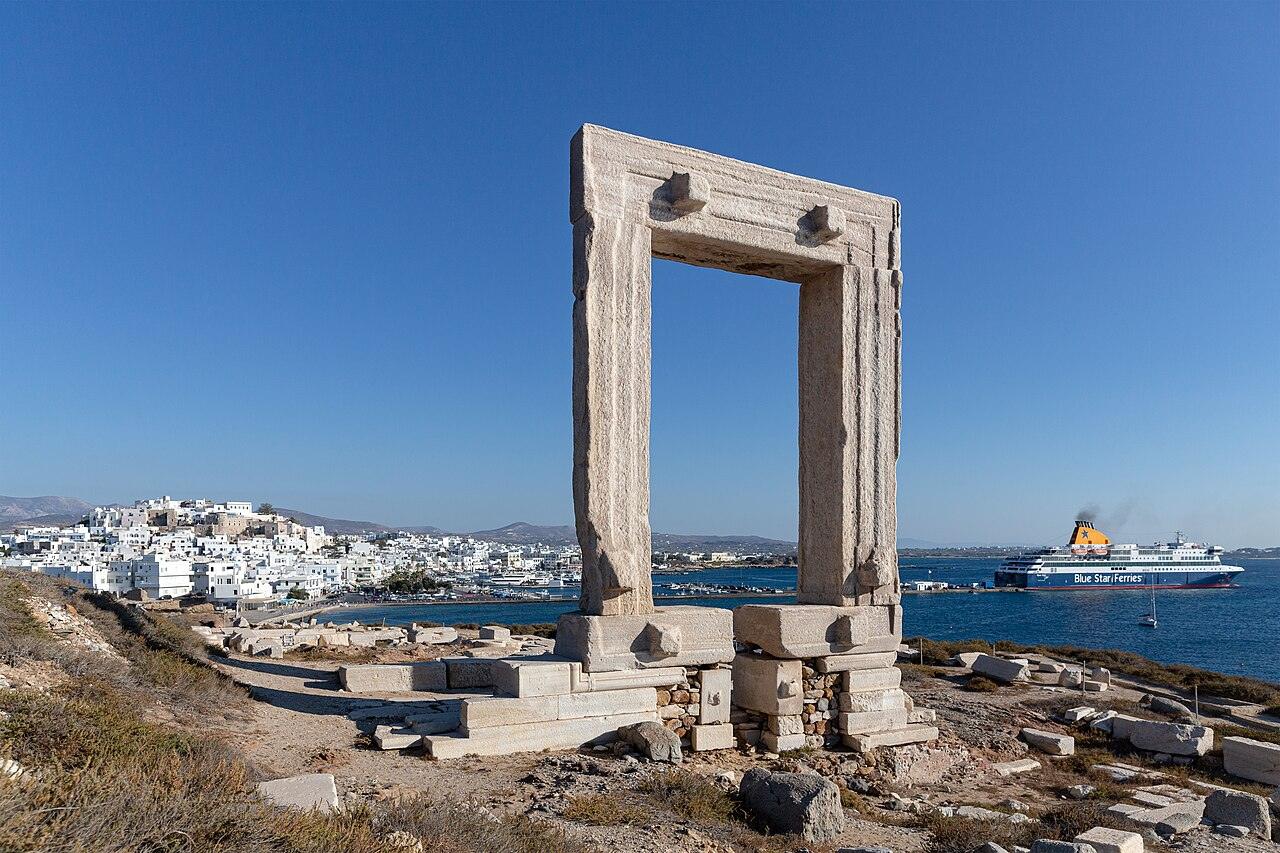 7 daysEasy
Athens and the Cyclades: Naxos and Santorini
The Acropolis and two islands: authentic, affordable Naxos and Santorini with its caldera.
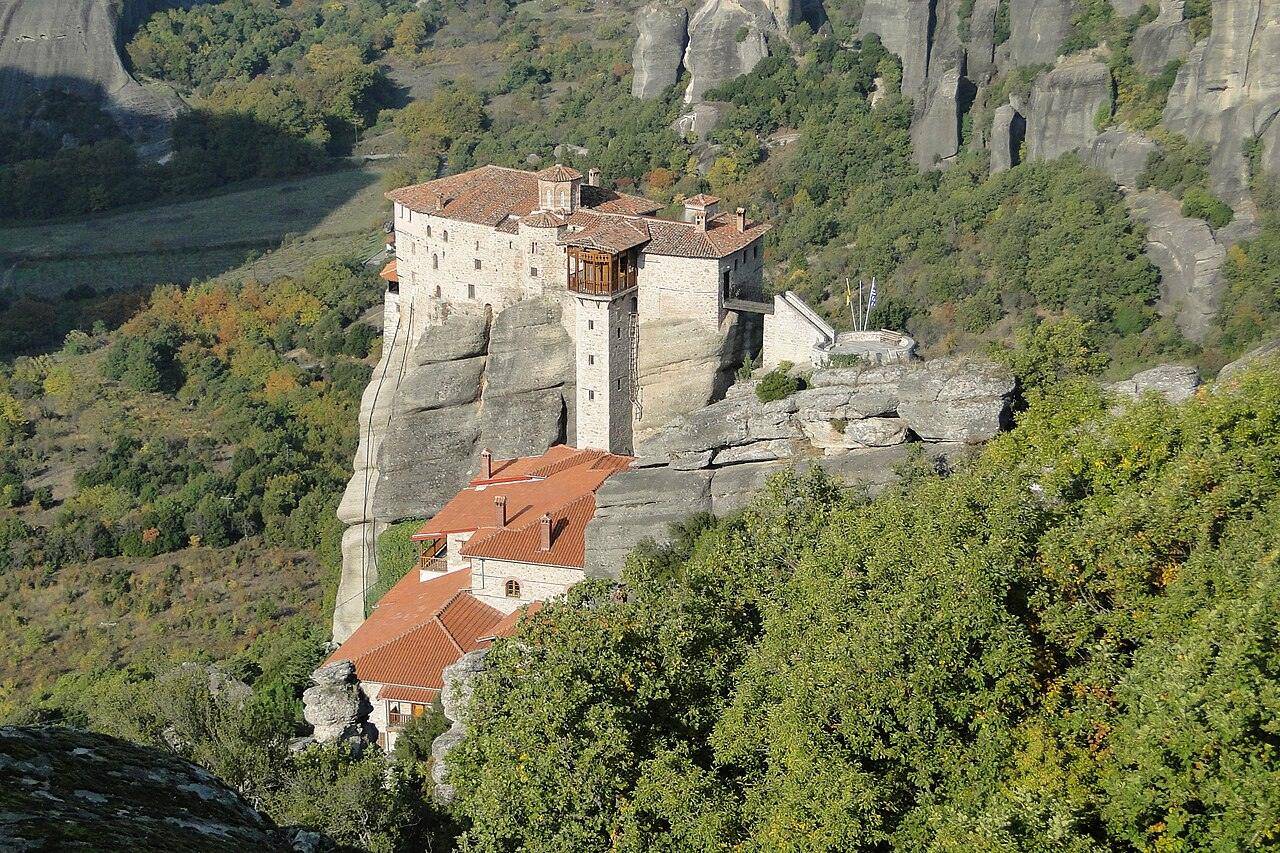 10 daysEasy
Classical Greece: Athens, Delphi, Meteora and the Peloponnese
A road trip through the great sites of antiquity and the suspended monasteries of Meteora.
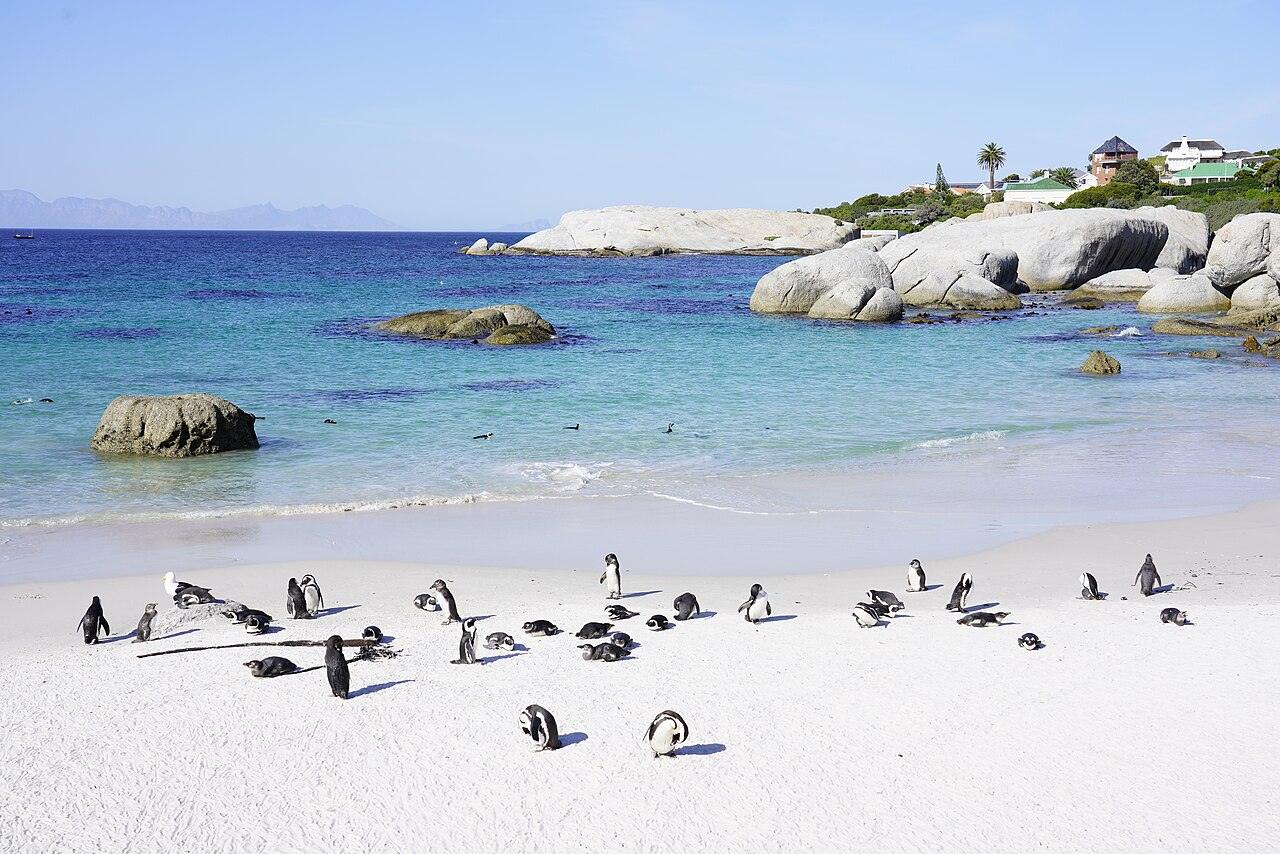 7 daysEasy
Cape Town and the Cape Peninsula
A week of Table Mountain, the penguins of Boulders Beach, the Cape of Good Hope and the Stellenbosch vineyards.