Classical Greece: Athens, Delphi, Meteora and the Peloponnese
A road trip through the great sites of antiquity and the suspended monasteries of Meteora.
- Athens
- Delphi
- Meteora
- Olympia
- Monemvasia
- Nafplio
- Mycenae
- Epidaurus
Day by day
- Day 1
Athens: the Acropolis and its museum
Greece is part of the Schengen area: EU citizens need only a valid identity card. Every accommodation charges a per-night climate tax, which varies by category and season.
From Athens airport the metro reaches the centre in about forty minutes. To stay, choose Plaka, the oldest district at the foot of the Acropolis, or Koukaki or Monastiraki.
Early in the morning, at opening time, climb the Acropolis, Athens' sacred hill and a UNESCO World Heritage site. Through the Propylaea, the monumental gateway, you reach the Parthenon, the temple of Athena built in the fifth century BC and symbol of Greek civilisation, and the Erechtheion, with the Porch of the Caryatids, statues of women serving as columns. The Acropolis ticket costs 30 euros all year, is bought on the official Ministry of Culture website and is valid for a specific entry time. EU citizens under 25 enter no-cost but must still book a ticket.
In the afternoon visit the Acropolis Museum at the foot of the hill, with a separate ticket: a modern glass building over the remains of an ancient district visible through the floor. On the top floor the sculptures of the Parthenon frieze are arranged as on the temple, with a direct view of the Acropolis.
In the evening dine in Plaka, overlooking the floodlit Acropolis.
Practical tip: in summer the heat on the Acropolis is intense and the marble is slippery: wear shoes with good soles, a hat and carry water.
- Day 2
Athens: the Agora and Cape Sounion at sunset
In the morning visit the Ancient Agora, the marketplace and political centre of classical Athens, where Socrates debated with citizens. Here stand the Temple of Hephaestus, one of the best-preserved Greek temples, and the Stoa of Attalos, a reconstructed portico housing the Agora museum. Nearby, the Roman Agora and Hadrian's Library tell the story of Athens under the Roman Empire. Each site has its own ticket: the combined ticket for Athens' sites was abolished in 2025.
Pass through Monastiraki, with its flea market, and climb Philopappos Hill or the Areopagus for views of the Acropolis.
In the afternoon walk through the Anafiotika quarter below the Acropolis, with white houses and narrow lanes built by builders from the island of Anafi: it feels like a Cycladic village in the middle of the city. The changing of the Evzones, the soldiers in white kilts and pompom shoes, takes place in front of Parliament on Syntagma Square every hour.
In the late afternoon drive or take a bus to Cape Sounion, about an hour and a half south of Athens along the coast, for sunset at the Temple of Poseidon on the cliff above the Aegean. Lord Byron carved his name on one of the columns.
Practical tip: the Sounion ticket is bought at the entrance; arrive an hour before sunset to find parking and a good spot.
- Day 3
Delphi and the sanctuary of Apollo
In the morning pick up a rental car and drive north-west to Delphi, about two and a half hours from Athens, on the slopes of Mount Parnassus above a valley of olive trees running down to the Gulf of Corinth. For the ancient Greeks Delphi was the navel of the world, and here the oracle of Apollo, through the priestess Pythia, answered the questions of kings and cities.
The sanctuary, a UNESCO World Heritage site, climbs the slope along the Sacred Way: you pass the reconstructed Treasury of the Athenians to the Temple of Apollo, then the theatre and, higher up, the stadium where the Pythian Games were held. Lower down, along the road, is the sanctuary of Athena Pronaia, with the Tholos, a round temple of which three columns remain, one of the most beautiful images in Greece.
The Delphi museum holds the Charioteer, a bronze statue of a chariot driver, one of the few original Greek bronze statues to survive. The combined ticket for the site and museum costs 20 euros.
In the evening stay in Delphi or Arachova, a mountain village of stone houses just above.
Practical tip: at Delphi in summer go early in the morning, because the site is uphill and has no shade. In winter it can snow on Parnassus.
- Day 4
Meteora: monasteries on the rocks
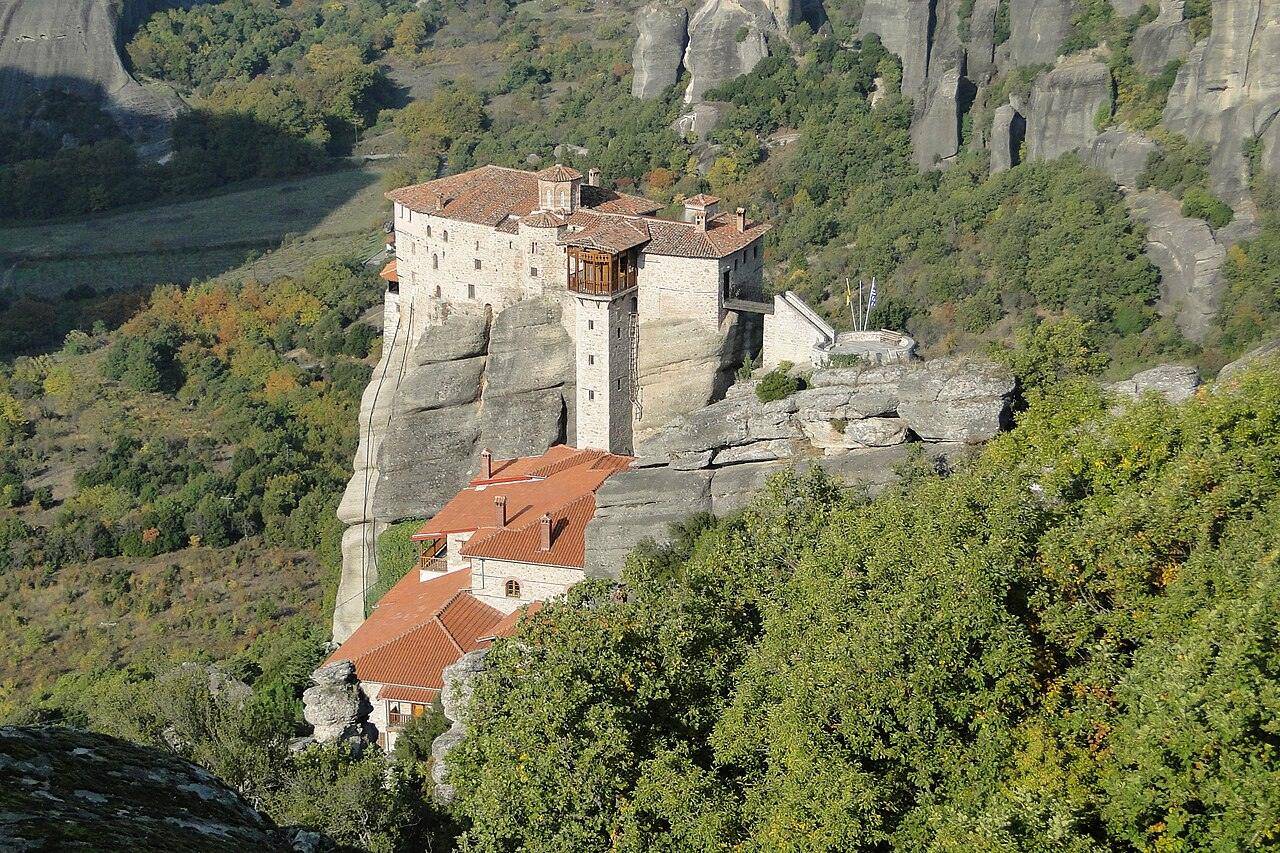
In the morning drive north to Meteora, about three and a half hours from Delphi, across the Thessalian plain. The Meteora are huge pillars of rock, up to four hundred metres high, rising from the plain near Kalambaka, and from the fourteenth century monks built monasteries on their summits to live in isolation and prayer. The name means suspended in the air. They are a UNESCO World Heritage site.
Once you could climb up only by rope ladders or in nets hauled by winches. Today six monasteries are inhabited and open to visitors, with stairways cut into the rock. The Great Meteoron is the oldest and largest, with a museum and wine cellar. Varlaam has beautiful frescoes and the old lifting net. Roussanou, on a narrow rock, is home to nuns. St Stephen's can be reached without stairs.
Each monastery closes one day a week, different for each, and asks for a small contribution at the entrance: check opening times before you go.
At sunset go to the viewpoint above Kalambaka, from which you see the rocks and monasteries turning red. Paths among the rocks also let you walk from one monastery to another.
In the evening stay in Kalambaka or Kastraki. Practical tip: in the monasteries shoulders and knees must be covered; women must wear a skirt, often lent at the entrance.
- Day 5
The Rio bridge and Olympia
Today is a long travel day to the Peloponnese, the great peninsula south of mainland Greece. In the morning drive south-west through the mountains to Antirrio on the Gulf of Corinth, about four and a half hours.
Here you cross the Rio-Antirrio bridge, one of the longest cable-stayed bridges in the world, almost three kilometres long, built to withstand earthquakes in a highly seismic area. A toll is charged. On the other side lies Patras, Greece's third city.
In the afternoon continue along the coast to Olympia, about an hour and a half away, in the valley of the Alfeios River, a green place of pines and olive trees.
In the evening stroll through the small town of Olympia and prepare for the next day's visit to the site of the ancient Olympic Games.
If you have time on the way, stop at Nafpaktos before the bridge, a small town with a Venetian harbour ringed by medieval walls, where in 1571 the Battle of Lepanto was fought, in which Miguel de Cervantes lost the use of his left hand.
Practical tip: the mountain roads of central Greece are winding and slow; leave early and fill up. Greek motorways have many toll booths: keep cash or a card to hand.
- Day 6
Olympia and the drive to the Mani
Early in the morning visit the archaeological site of Olympia, a UNESCO World Heritage site, where from 776 BC the Olympic Games were held for more than a thousand years in honour of Zeus. You walk among the remains of the Temple of Zeus, which held a gold and ivory statue considered one of the Seven Wonders of the Ancient World, the Temple of Hera, in front of which the Olympic flame is still lit today, the palaestra and the workshop of Phidias. You pass under the stone arch into the stadium, where you can run on the original track of about 192 metres. The museum holds the Hermes of Praxiteles. The combined ticket for site and museum costs 20 euros.
In the afternoon drive south to the Mani, the central peninsula of the Peloponnese, about three hours, through Kalamata, famous for its olives. The Mani is a harsh land of dry mountains and villages of stone towers, where for centuries families lived at war with each other, with feuds and vendettas.
In the evening reach Areopoli, capital of the Mani, with stone tower houses and Byzantine churches.
Practical tip: in Olympia in summer it is hot by ten o'clock; go in at opening time. In the Mani roads are narrow and winding, and petrol stations are few.
- Day 7
The Mani and Monemvasia, the town on the rock
In the morning visit the Diros caves near Areopoli, a karst cave with an underground river explored by boat for about twenty minutes among stalactites and stalagmites, followed by a short walk.
Then head south to Vathia, a village of stone towers on a hill, almost abandoned, one of the most striking images of the Mani. If you have time, continue to Cape Tainaron, the southernmost point of mainland Greece, where the ancients placed one of the gates to Hades.
In the afternoon drive east to Monemvasia, about two and a half hours away. Monemvasia is a medieval Byzantine town built on a great rock in the sea, linked to the mainland by a single narrow causeway: the name means single entrance. From outside you see nothing: you enter on foot through a gate in the walls, and suddenly a town of stone lanes, houses, churches and courtyards opens up, with no cars. On top of the rock, the upper town, now in ruins, keeps the twelfth-century church of Agia Sofia on the edge of the cliff.
In the evening stay inside the town to see it lit up and silent once the day visitors have gone.
Practical tip: in Monemvasia you walk on smooth stones and steps: wear comfortable shoes and pack light, because cars stay outside the walls.
- Day 8
Nafplio, Greece's first capital
In the morning drive north to Nafplio, about two and a half hours from Monemvasia, one of Greece's most elegant towns, on the Argolic Gulf. After independence from the Ottoman Empire, Nafplio was the first capital of modern Greece, from 1828 to 1834.
The old town has lanes of polished marble, flowered balconies, neoclassical houses, churches and mosques, and Syntagma Square, one of the finest squares in Greece, with the old Venetian arsenal.
Above the town rises the Palamidi fortress, built by the Venetians in the early eighteenth century, reached by car or by a long stairway of hundreds of steps: tradition says 999. From the top you see the whole gulf. In the middle of the harbour, the small Bourtzi castle on an islet guarded the port entrance.
In the afternoon walk the seaside path around the Akronafplia promontory to Arvanitia beach, where you can swim.
In the evening stroll along the waterfront at sunset and dine in the old town, with fish from the gulf and wines from nearby Nemea, famous for agiorgitiko, a red wine.
Practical tip: Nafplio is the best base for visiting Mycenae and Epidaurus, less than an hour away; stay here two nights. The lanes of the centre are best explored in the cooler evening.
- Day 9
Mycenae and Epidaurus
Early in the morning visit Mycenae, about half an hour from Nafplio, the city of King Agamemnon, leader of the Greeks in the Trojan War according to Homer. It is the most important site of Mycenaean civilisation, from the second millennium BC, and a UNESCO World Heritage site. You enter through the Lion Gate, with two lions carved above the lintel, the oldest monumental sculpture in Europe, and climb the citadel with its Cyclopean walls, so called because the Greeks believed only the Cyclopes could move such huge blocks. The royal grave circle held the gold mask known as Agamemnon's, now in the Athens museum. Just below, the Treasury of Atreus is a gigantic beehive tomb. The combined ticket for site and museum costs 20 euros.
In the afternoon drive to Epidaurus, about an hour away, the sanctuary of Asclepius, the god of medicine, where the sick came to be healed. The fourth-century BC theatre of Epidaurus, with more than fourteen thousand seats, is famous for its perfect acoustics: even a coin dropped at the centre can be heard from the back row. In summer the theatre still hosts performances of ancient tragedies during the Athens and Epidaurus Festival. The ticket costs 20 euros.
In the evening return to Nafplio.
Practical tip: there is no shade at Mycenae; go at opening time and bring water.
- Day 10
Back to Athens
The last day is for the drive back to Athens, about two hours from Nafplio by motorway.
On the way stop at the Corinth Canal, a narrow, deep cut in the rock about twenty-five metres wide, separating the Peloponnese from mainland Greece and linking the Gulf of Corinth with the Aegean. It was completed in 1893, although the idea dates back to antiquity. From the bridge you see the blue water eighty metres below. The canal is sometimes closed to shipping because of landslides and works.
If you have time, visit Ancient Corinth, with the Temple of Apollo and Acrocorinth, the fortress on the mountain above the town.
In Athens, if your flight leaves in the evening, visit the National Archaeological Museum, one of the most important in the world, with the gold mask of Agamemnon found at Mycenae, the bronze Zeus or Poseidon of Cape Artemision and the Antikythera mechanism, the oldest known computer.
Athens airport is about forty minutes from the centre by metro.
Things to take home: olive oil and Kalamata olives, thyme honey, Nemea wine and ceramics.
Practical tip: the United States rates Greece level 1; the main summer risks are heat and wildfires, which sometimes close roads and sites. Check civil protection alerts and watch for 112 emergency text messages.
The trip for lovers of ancient history: the great sites in ten days by car, with Monemvasia and Nafplio as lovely breaks. In summer the heat at the sites is hard going, so spring and autumn are best. Distances are considerable and driving in Greece needs care.
Before you go
- Documents and visa
- EU citizens need a valid identity card or passport, including on ferries, where ID may be checked at boarding. Other nationalities should check the Schengen rules.
- Health and vaccines
- No vaccines required. EU citizens should bring their EHIC; in summer protect yourself from the sun and drink plenty. Emergencies: 112.
- Money and payments
- Euro. Cards are accepted almost everywhere; every accommodation charges a fee per room per night, often paid on departure.
- Power sockets
- Types C and F, 230 volts.
- Time zone
- Eastern European Time (UTC+2), summer time (UTC+3) from late March to late October.
- Safety
- A safe country. In summer watch for wildfires and 112 alerts; in Athens, for pickpockets on the metro. Official advice: GOV.UK.
Information checked in November 2026 for Italian and EU citizens. Rules change: always check before you travel.
Variations
In 7 days: Athens, Delphi and Meteora, then Nafplio with Mycenae and Epidaurus, skipping Olympia, the Mani and Monemvasia.
In 14 days: add a few days on an island at the end, such as Hydra, Aegina or one of the Cyclades, reached by ferry from Piraeus.
Frequently asked questions
How much is the Acropolis?
The ticket costs 30 euros all year, is bought on the official website and is valid for a set time. EU citizens under 25 enter no-cost but must book. The Acropolis Museum has a separate ticket.
How much are the other sites?
Delphi, Olympia, Mycenae and Epidaurus cost 20 euros each; for Delphi, Olympia and Mycenae the ticket also includes the museum. The combined ticket for Athens' sites was abolished in 2025.
How do you visit Meteora?
Six monasteries are open, each with one weekly closing day and a small contribution at the entrance. Shoulders and knees must be covered, and women must wear a skirt.
Indicative itinerary written by World Atlas. Before booking, check timetables, seasonal openings, documents and safety.
 7 daysEasy
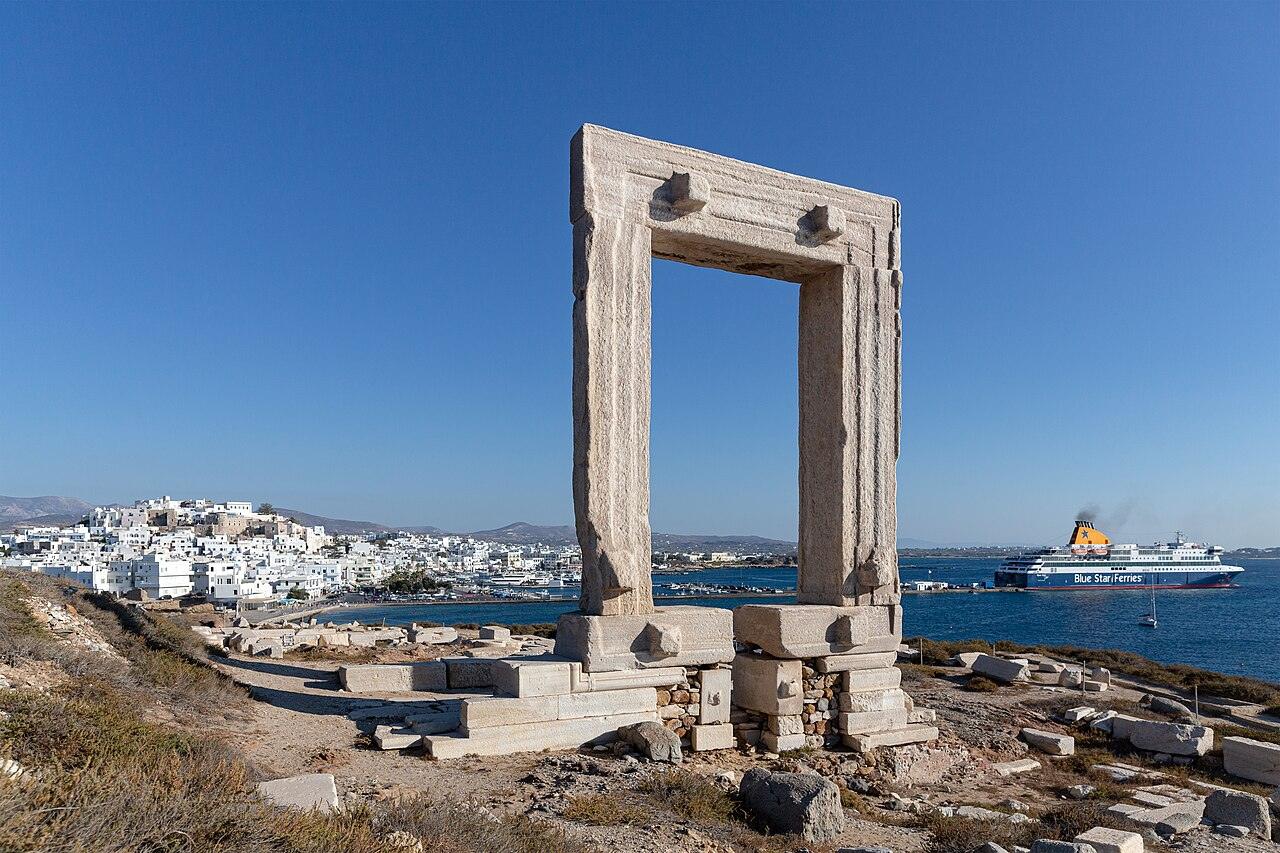
Athens and the Cyclades: Naxos and Santorini
The Acropolis and two islands: authentic, affordable Naxos and Santorini with its caldera.
 10 daysEasy
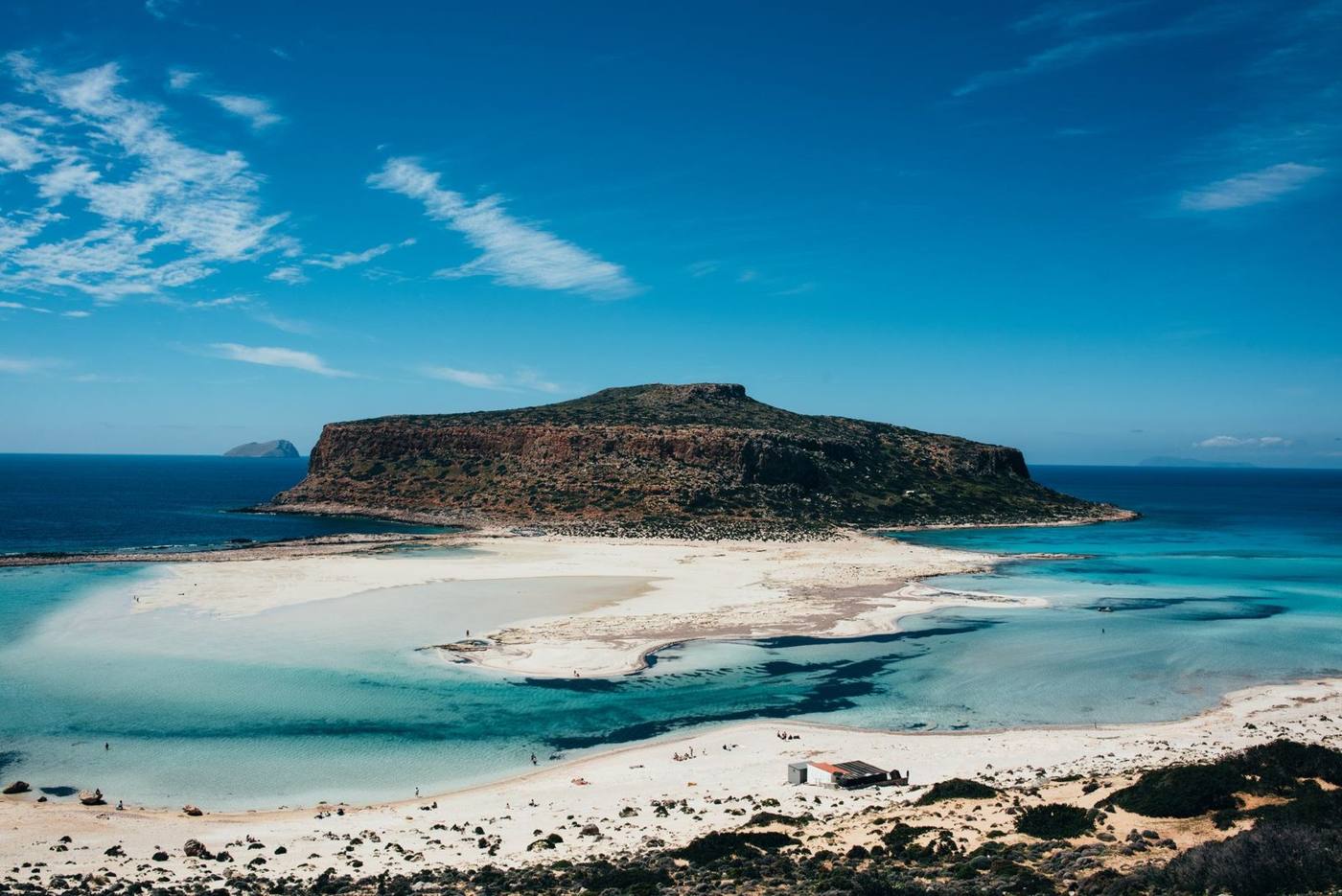
Crete from west to east
The beaches of Balos and Elafonissi, the Samaria Gorge, Knossos and the inland villages.
 7 daysEasy
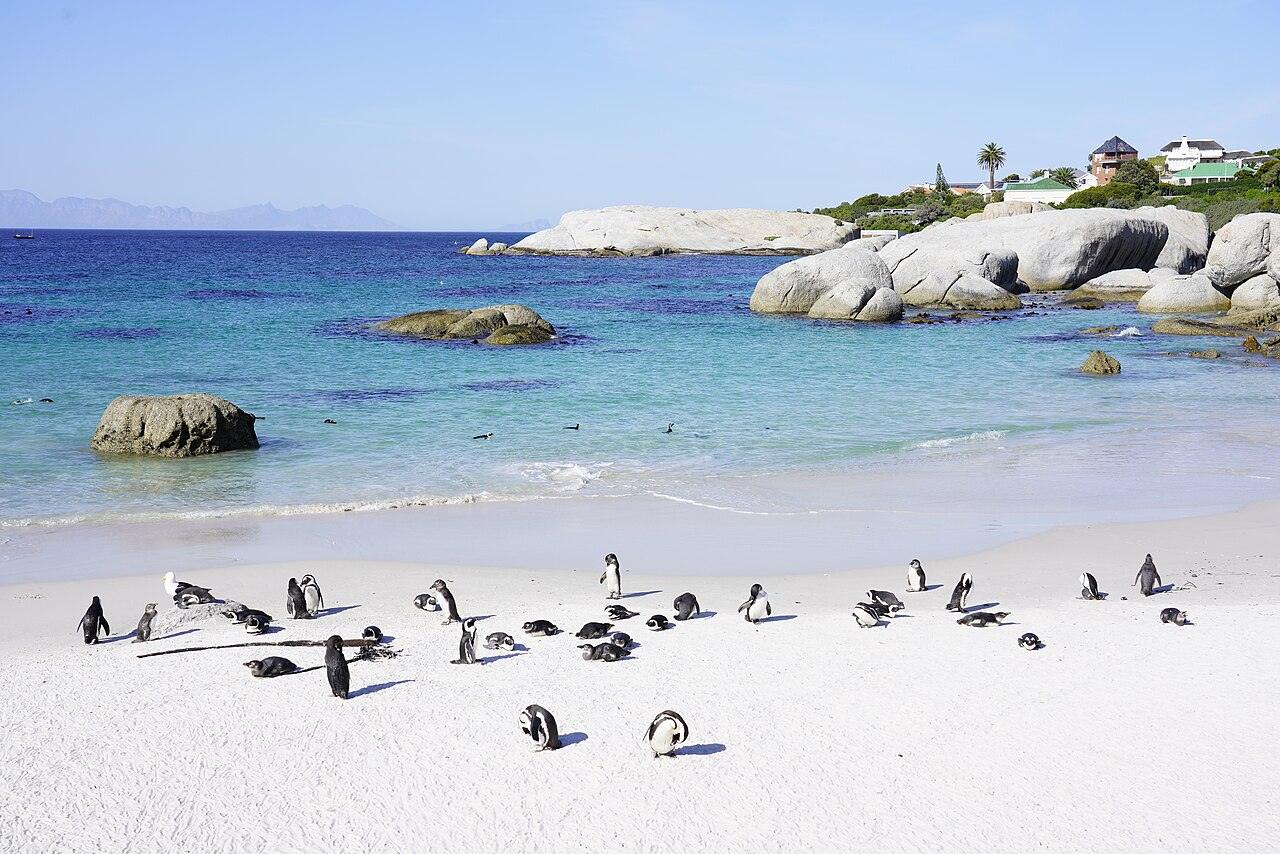
Cape Town and the Cape Peninsula
A week of Table Mountain, the penguins of Boulders Beach, the Cape of Good Hope and the Stellenbosch vineyards.