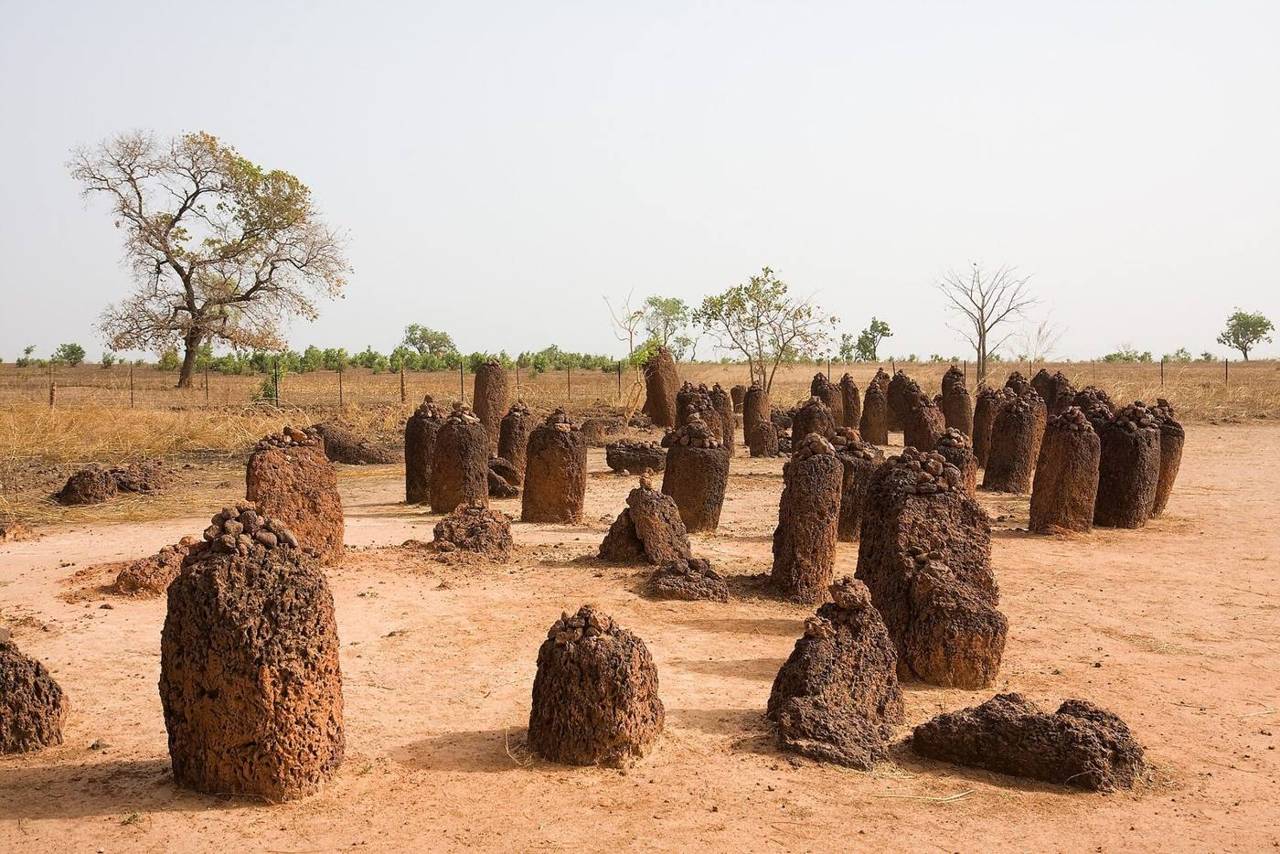
The Wassu stone circles
The megalithic circles of Wassu, a UNESCO site shared with Senegal, and the old town of Janjanbureh on its river island, with colonial quarters and a night on the river.
- Banjul
- Wassu
- Janjanbureh
Day by day
- Day 1
The long journey inland
This trip takes you into the interior of The Gambia, to the megalithic circles of Wassu, a UNESCO World Heritage Site together with other sites in Senegal, and to the old town of Janjanbureh, on the island in the middle of the River Gambia, with its colonial buildings and a night on the river. You travel by car with a driver.
Before you go: Italian citizens enter The Gambia with a passport, valid for the whole length of the stay; according to the list of the Gambian embassy no visa is needed for a tourist visit, but check the permitted length of stay beforehand. At Banjul airport a security fee of 20 US dollars is paid on arrival and again on departure. The yellow fever certificate is required if you arrive from a country at risk; talk to your doctor about the vaccine and about malaria prevention. Other nationalities should check their own rules. The UK does not advise against any area of The Gambia; it reports frequent checkpoints on the main roads and poorly lit roads at night. The presidential election is set for 5 December 2026: avoid rallies around the days of the vote.
Early in the morning you leave the coast and take the south bank road eastwards. The journey takes most of the day, on a road improved in recent years. The landscape changes slowly: fields of peanuts and millet, huge baobabs, villages of mud houses with thatched or tin roofs, weekly markets along the road.
Stop for lunch in one of the small towns along the way and try rice with peanut sauce.
In the late afternoon you reach Janjanbureh and watch the sunset over the river.
Sleep in Janjanbureh, for two nights.
Practical tip: leave at dawn to arrive before dark and bring plenty of water, because the heat inland is stronger than on the coast.
- Day 2
The Wassu stone circles and Janjanbureh
Today you visit the Wassu stone circles in the morning and the town of Janjanbureh in the afternoon.
In the morning cross the river to the north bank and reach Wassu. Here, in a field among the trees, stand circles of red laterite stones, some taller than a person. They are part of the Senegambian Stone Circles, a group of more than a thousand monuments scattered along the River Gambia between The Gambia and Senegal, inscribed on the UNESCO list in 2006. According to UNESCO they date from a long period between the third century BC and the sixteenth century AD and are linked to burials.
Nobody knows for sure who built them or why some stones have unusual shapes. Visit the small museum next to the site, which explains the archaeologists' theories and displays objects found in the excavations. Check prices and times.
In the afternoon return to Janjanbureh, on MacCarthy Island. The town was founded by the British in 1823 under the name of Georgetown and was for a long time the administrative centre of the interior. Walk among the old colonial houses, the market and the riverfront, where pirogues leave for the nearby banks.
At sunset take a short boat trip on the river, when the birds return to the branches and the water turns golden.
Practical tip: visit Wassu early in the morning, because at midday the sun on the stones is fierce, and bring a hat.
- Day 3
Back to the coast
Today you return to the Atlantic coast, with a few stops along the road.
Early in the morning, before leaving, walk along the riverbank in Janjanbureh. It is the coolest time of the day: fishermen arrange their nets, women carry water and the river reflects the trees on the bank. With a little luck you see the typical birds of the area, such as pied kingfishers and brightly coloured bee-eaters.
Then set off westwards on the south bank road. Along the way stop in a village to see how peanuts are processed or at a weekly market, where vegetables, dried fish, fabrics and farm tools are sold. Always ask before photographing people.
In the afternoon you reach the coast, in the Kololi or Bakau area, and enjoy the sunset over the Atlantic.
In three days you have crossed The Gambia from west to east and back, seen the mystery of the Wassu stone circles, one of the great archaeological sites of West Africa, and discovered the old colonial town of Janjanbureh on the river.
When to go: from November to February, in the coolest part of the dry season. From March the heat inland becomes very strong, and from June to October the rains make the journey more tiring and humidity is high.
If you have more time, combine this trip with Kunta Kinteh Island and Juffureh, on the north bank near the mouth of the river.
Practical tip: bring enough cash in dalasi for the whole trip, because there are very few cash machines inland.
A little-known archaeological mystery. A long drive on recently improved roads. Strong heat from March: winter is best.
Before you go
- Documents and visa
- Passport valid for the whole length of your stay. According to the list of the Gambian embassy, Italian citizens enter without a visa for a tourist visit: check the permitted length of stay before leaving. At Banjul airport a security fee of 20 US dollars is paid on arrival and again on departure.
- Health and vaccines
- A yellow fever vaccination certificate is required if you arrive from a country at risk; talk to your doctor about the vaccine and about malaria prevention, as malaria is present throughout the country. Drink only bottled water. You need insurance covering medical costs and repatriation.
- Money and payments
- Gambian dalasi. Payment is mostly in cash; cards work in large hotels on the coast and cash machines are concentrated in the tourist area and in Banjul.
- Power sockets
- Type G, 230 volts, the same as in the UK.
- Time zone
- UTC+0 all year.
- Safety
- The UK does not advise against any area of The Gambia. The presidential election is set for 5 December 2026: avoid rallies and demonstrations and follow local news. Theft in markets, towns and on isolated beaches, especially at night; on the beaches the bumsters insistently offer help and tours. Do not accept trips into Senegal with informal guides, who often do not follow border procedures. The Banjul to Barra ferry is often overcrowded, and pirogues should be used only for short trips and with a life jacket. Official advice: GOV.UK.
Information checked in November 2026 for Italian and EU citizens. Rules change: always check before you travel.
Variations
In 2 days: leave at dawn, visit Wassu in the afternoon, spend the night in Janjanbureh and return the next day.
In 5 days: add Kunta Kinteh Island and a day by boat around the chimpanzee islands.
Frequently asked questions
Who built the Wassu stone circles?
Nobody knows for sure. According to UNESCO the Senegambian Stone Circles date from a period between the third century BC and the sixteenth century AD and are linked to burials.
How long is the journey from Banjul to Janjanbureh?
Most of a day by car. Leave at dawn and avoid driving after dark, because the roads are poorly lit at night.
What documents do I need for The Gambia?
Italian citizens enter with a passport valid for the whole stay; according to the Gambian embassy no visa is needed for a tourist visit, but check the permitted length of stay. Other nationalities should check their own rules.
Indicative itinerary written by World Atlas. Before booking, check timetables, seasonal openings, documents and safety.
 5 daysEasy
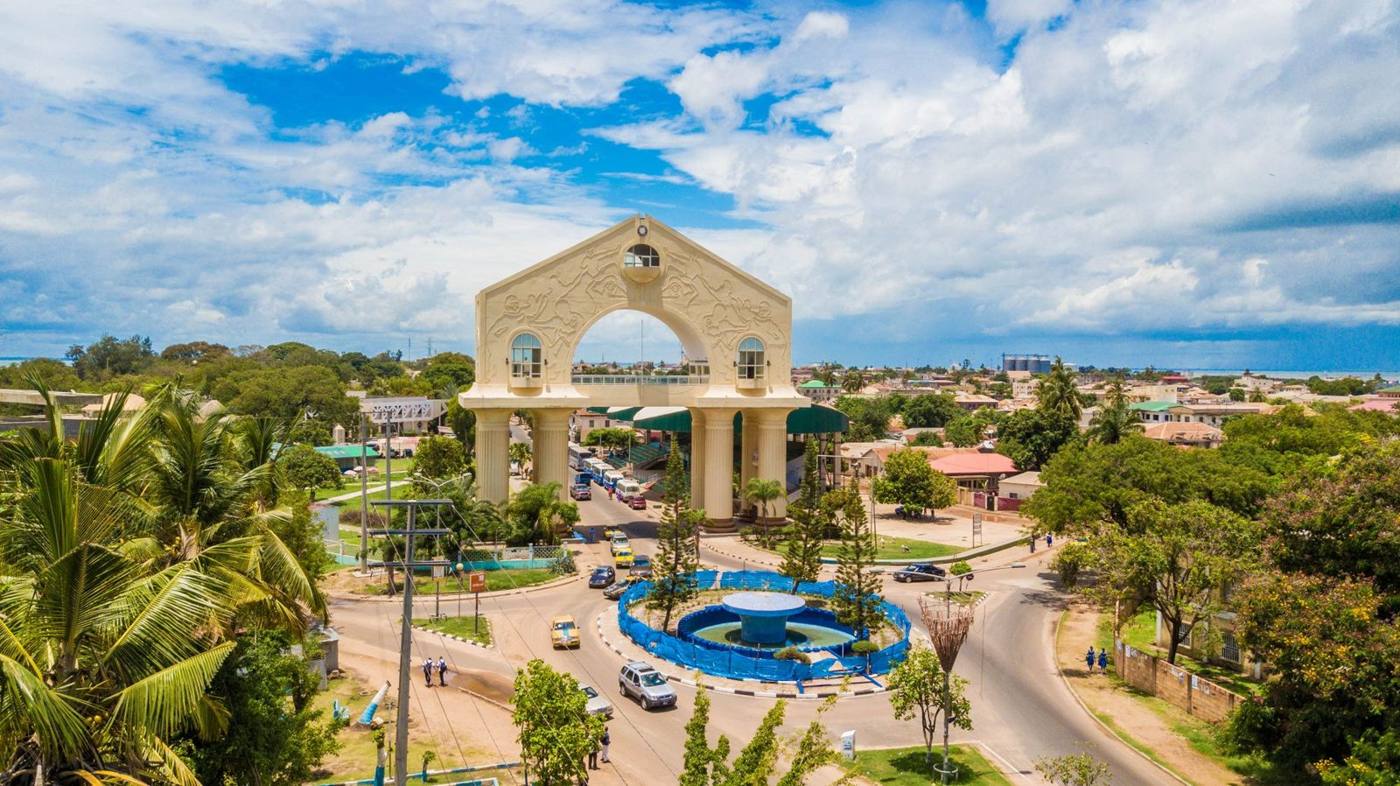
The coast and its birds
The Atlantic beaches, Abuko reserve, the Tanji wetlands for birdwatching and the fish market where the pirogues land.
 5 daysModerate
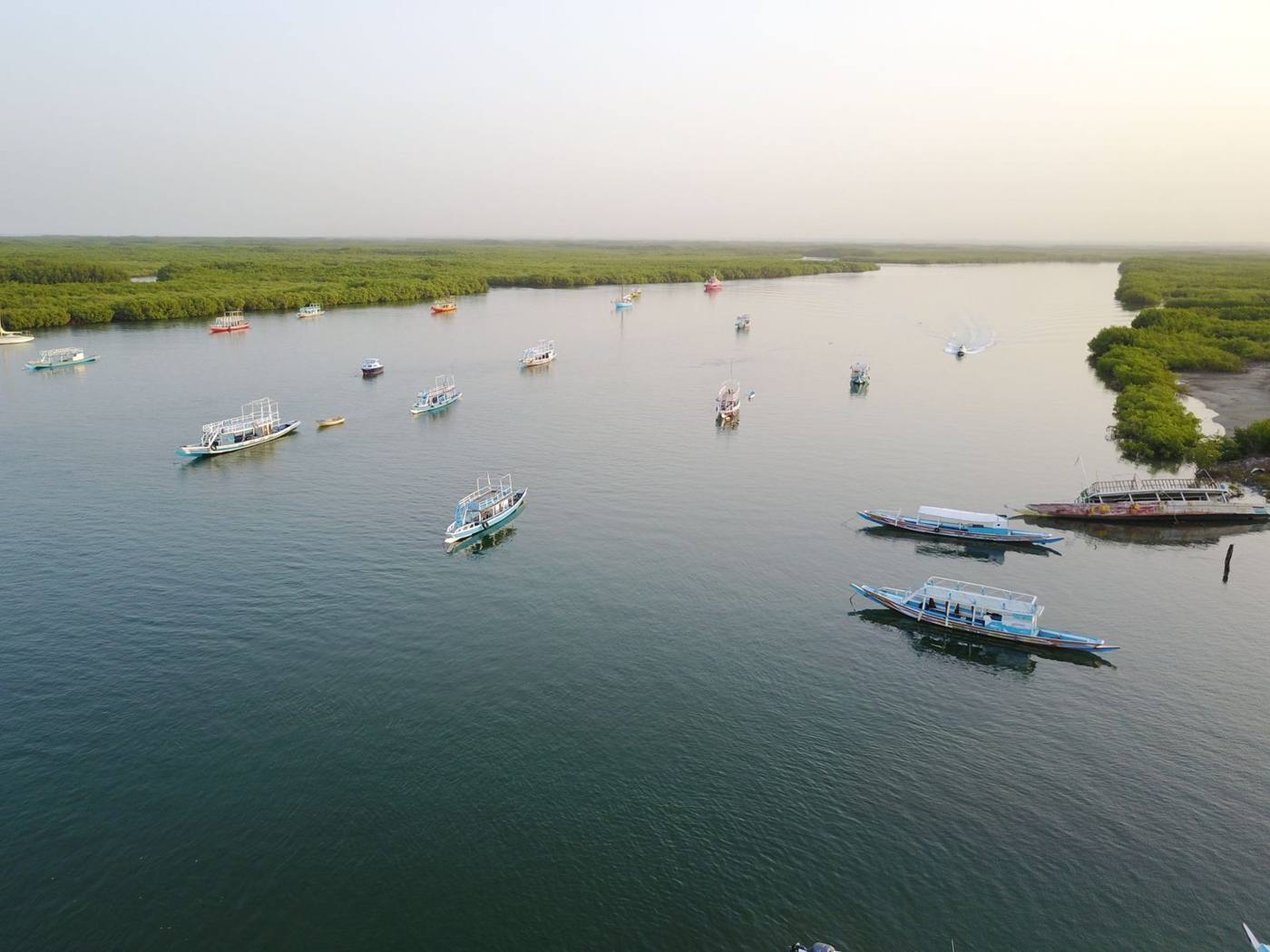
Up the Gambia river
Upriver to Janjanbureh, the UNESCO-listed Kunta Kinteh Island, the Wassu stone circles and the chimpanzees of River Gambia National Park.
 2 daysEasy
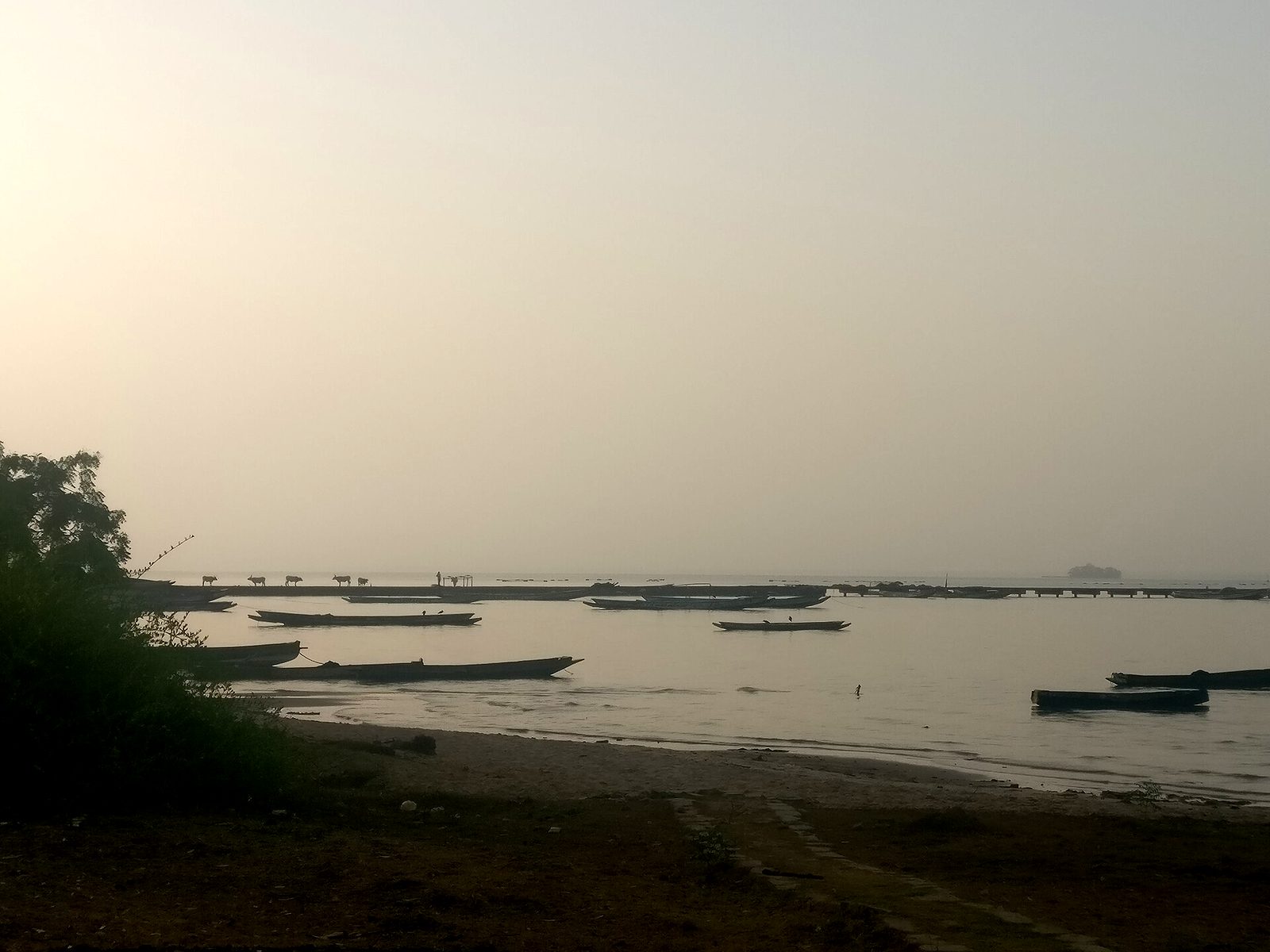
Kunta Kinteh and Juffureh
Kunta Kinteh Island on the Gambia river, a UNESCO site linked to the slave trade, Juffureh village of the book Roots and the Albreda museum.