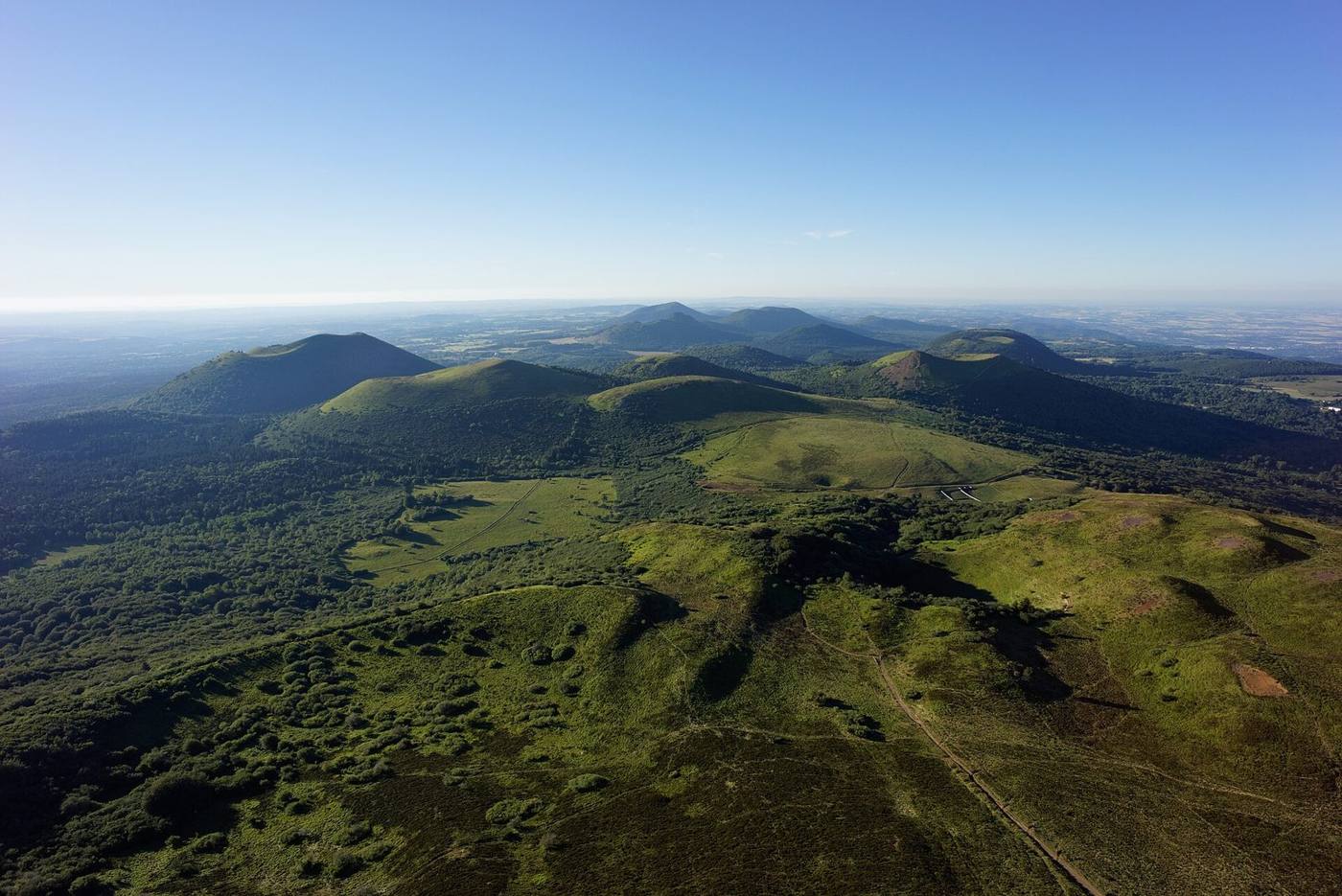
Auvergne: volcanoes and Le Puy-en-Velay
France of extinct volcanoes, a UNESCO World Heritage site: the Chaîne des Puys with the Puy de Dôme, volcanic lakes, Cantal cheeses, the village of Salers and Le Puy-en-Velay with churches built on lava peaks, a starting point of the Camino de Santiago.
- Clermont-Ferrand
- Puy de Dôme
- Lac Pavin
- Salers
- Puy Mary
- Le Puy-en-Velay
Day by day
- Day 1
Clermont-Ferrand, the black lava cathedral and the Romanesque basilica
Auvergne, in the heart of France's Massif Central, is a land of extinct volcanoes: dozens of grass- and wood-covered cones, crater lakes, villages of dark stone, pastures with red cattle and famous cheeses. The Chaîne des Puys and the great Limagne fault have been a UNESCO World Heritage site since 2018. France is in the Schengen area; EU citizens can enter with a valid identity card or passport. You need a car for this trip.
Clermont-Ferrand, the regional capital, is about three and a half hours by train from Paris, or reachable by air. In the morning visit the Cathedral of Notre-Dame-de-l'Assomption, a great Gothic church built of black Volvic lava stone, giving it a dark, almost black colour unique in France. Its two spires can be seen from all over town. Inside are medieval stained glass and frescoes. You can climb the Bayette tower to see the roofs and the chain of volcanoes on the horizon.
Then walk down to the Basilica of Notre-Dame-du-Port, a masterpiece of Auvergne Romanesque art, with a choir decorated with mosaics of coloured stone and carved capitals. It is a stop on the Way of St James, a UNESCO World Heritage site.
In the afternoon stroll through the old town, with houses and mansions of lava stone and fountains such as the Amboise fountain. Clermont is also the home of Michelin: the L'Aventure Michelin museum tells the story of tyres and the famous guide.
In the evening try truffade, potatoes with fresh tome cheese, and pounti, a savoury loaf with prunes.
Practical tip: Clermont is hilly; wear comfortable shoes.
- Day 2
Puy de Dôme by panoramic train and the volcano park
In the morning go up Puy de Dôme, Auvergne's most famous volcano at 1,465 metres, about fifteen kilometres from Clermont. You reach the top on the Panoramique des Dômes, a rack railway that climbs in about a quarter of an hour, or on foot on the old mule path, about an hour of steep climbing. At the summit are the ruins of a great second-century Roman temple to Mercury and an extraordinary view of the Chaîne des Puys: about eighty volcanoes lined up over some thirty kilometres, with craters clearly visible, such as Puy Pariou, which looks almost drawn.
On clear days you also see the Monts Dore and the Cantal to the south. Paragliders often take off from the summit.
In the afternoon choose between two visits. Vulcania is a volcano theme park built within the Chaîne des Puys, with films, simulations and exhibitions on volcanology, especially suited to families. The Lemptégy volcano, on the other hand, is a real volcano opened up by a quarry, where by train or on foot you go inside its structure, seeing the vents, volcanic bombs and layers of ash.
If you prefer walking, climb Puy Pariou, whose path circles the crater.
In the evening stay in a village of the Chaîne des Puys or return to Clermont.
Practical tip: at the top of Puy de Dôme it is much colder and windier; bring a jacket even in summer.
- Day 3
Lakes Pavin and Chambon, Saint-Nectaire and its cheese
In the morning drive south into the Monts Dore to Lake Chambon, about forty minutes from Clermont, a lake formed when a volcano, the Tartaret, blocked the valley with its lava. Above the lake rises Murol Castle, a great medieval fortress on a hill, where costumed performers bring it to life in summer.
Continue to Besse, a medieval village of dark lava stone with a fortified gate and merchants' houses, and then to Lake Pavin, one of the most beautiful lakes in Auvergne, perfectly round and about ninety metres deep, in a crater surrounded by beech trees. Its name is said to come from a Latin word meaning fear: the water is dark, and legends say throwing a stone into it unleashes storms. A path of about an hour circles the lake.
In the afternoon reach Saint-Nectaire, famous for its soft cheese with a grey rind and nutty flavour, made on the farms of the area. At many farms you can visit the ageing cellars dug into the rock and buy cheese directly from the producer. The village also has a fine Romanesque church on a hill, with carved capitals and a treasury holding a golden bust of St Baudime.
In the evening try aligot, mashed potato with melted cheese that stretches into strings.
Practical tip: swimming is allowed in Lake Chambon; it is forbidden in the Pavin.
- Day 4
Salers, the basalt village, and the Puy Mary
In the morning drive south-west into the Cantal to Salers, about an hour and a half, one of the most beautiful villages in France, built entirely of black basalt, with fifteenth- and sixteenth-century noble houses, turrets, mullioned windows and roofs of lauze stone slabs. The large central square is surrounded by mansions. From the Barrouze terrace you look down on the green valley below. Salers gives its name to a breed of cattle with a dark red coat and lyre-shaped horns, and to a cheese made only in summer with the milk of cows grazing in the mountains.
In the afternoon drive up to the Pas de Peyrol, the highest road pass in the Massif Central at about 1,590 metres, at the foot of the Puy Mary, 1,783 metres. From here a path with a long staircase leads to the top in about half an hour: from the summit you see the great Cantal volcano, the largest in Europe, its valleys radiating outwards like the spokes of a wheel, deeply carved by glaciers. The Puy Mary is classified as a Grand Site de France.
The road up to the pass is spectacular, but narrow and closed in winter because of snow.
In the evening return towards Salers or stay in a Cantal village.
Practical tip: the Pas de Peyrol road is usually open from May to November; check before setting off.
- Day 5
Le Puy-en-Velay, the cathedral and the chapel of Saint-Michel d'Aiguilhe
In the morning drive east to Le Puy-en-Velay, about two and a half hours, a spectacular town built around volcanic peaks, with red roofs and churches on top of the rocks. It is the starting point of one of the most famous routes to Santiago, the Le Puy way.
Climb the long stairway to the Cathedral of Notre-Dame, built between the eleventh and twelfth centuries, with a façade striped in light and dark stone recalling the Moorish art of Spain. Inside is the much-venerated Black Virgin, and next to it the Romanesque cloister with two-coloured arches and carved capitals. The cathedral is part of the UNESCO Way of St James listing.
Above the cathedral, on the Rocher Corneille, stands the great red statue of Notre-Dame-de-France, about sixteen metres tall, cast in 1860 from the metal of cannons captured at Sevastopol. You can climb inside the statue to see the town from above.
In the afternoon visit the chapel of Saint-Michel d'Aiguilhe, built in the tenth century on top of a volcanic needle about eighty metres high, reached by a stairway of 268 steps. Inside are very old frescoes.
In the evening stroll through the old town, where bobbin lace is still made.
Practical tip: Le Puy is all uphill; save your energy for the stairways.
- Day 6
A last morning in Le Puy and the way home
In the morning, if it is Saturday, visit Le Puy's market, with country produce, cheeses, cured meats and the famous green lentils of Le Puy, grown on these volcanic soils, which have a protected designation of origin and keep their shape when cooked. Wander the lanes of the cathedral quarter and visit the lace workshop, where you see lacemakers weaving threads with dozens of wooden bobbins.
If you are interested in the pilgrimage, each morning at the cathedral there is a blessing for pilgrims setting off for Santiago de Compostela: a moving moment even for non-walkers. You can walk the first few kilometres of the GR65 trail outside town, among fields and villages.
Alternatively, visit Polignac Castle, a few kilometres away, a ruined medieval fortress on a great basalt plateau, with a tall keep overlooking the whole Le Puy basin.
In the afternoon head off: from Le Puy, Clermont-Ferrand is about two hours away and Lyon about two hours. There are also slower trains.
Things to take home: green lentils of Le Puy, verbena liqueur, Saint-Nectaire, Cantal and Salers cheeses, lace and Auvergne cured meats.
Practical tip: cheese travels best in a cool bag; ask the producer to wrap it for the journey.
A rural and little-known France, best by car. In winter the Puy Mary roads close for snow. Ideal for walkers and cheese lovers.
Before you go
- Documents and visa
- EU citizens need a valid identity card or passport. Other nationalities should check the Schengen rules.
- Health and vaccines
- No vaccines required. EU citizens should bring their EHIC. Emergencies: 112.
- Money and payments
- Euro. Cards are accepted almost everywhere; every accommodation charges the taxe de séjour per person per night.
- Power sockets
- Types C and E, 230 volts.
- Time zone
- Central European Time (UTC+1), summer time (UTC+2) from the last Sunday of March to the last Sunday of October.
- Safety
- A safe country, with a high terrorism alert level and security checks at museums and stations. In Paris watch for pickpockets on the metro. Official advice: GOV.UK.
Information checked in November 2026 for Italian and EU citizens. Rules change: always check before you travel.
Variations
In 4 days: Clermont, Puy de Dôme, the lakes and Saint-Nectaire, then Le Puy-en-Velay, without the Cantal.
In 8 days: add the Lot valley with Conques, or a few stages on foot along the Le Puy way.
Frequently asked questions
Do I need a car?
Yes, it is almost essential: the lakes, villages and Puy Mary are poorly served by public transport.
When is the best time to go?
May to October: in winter many mountain roads are closed by snow and some sites shut.
Can you walk up Puy de Dôme?
Yes, on the mule path, about an hour of steep climbing; or take the rack railway.
Indicative itinerary written by World Atlas. Before booking, check timetables, seasonal openings, documents and safety.
 5 daysEasy
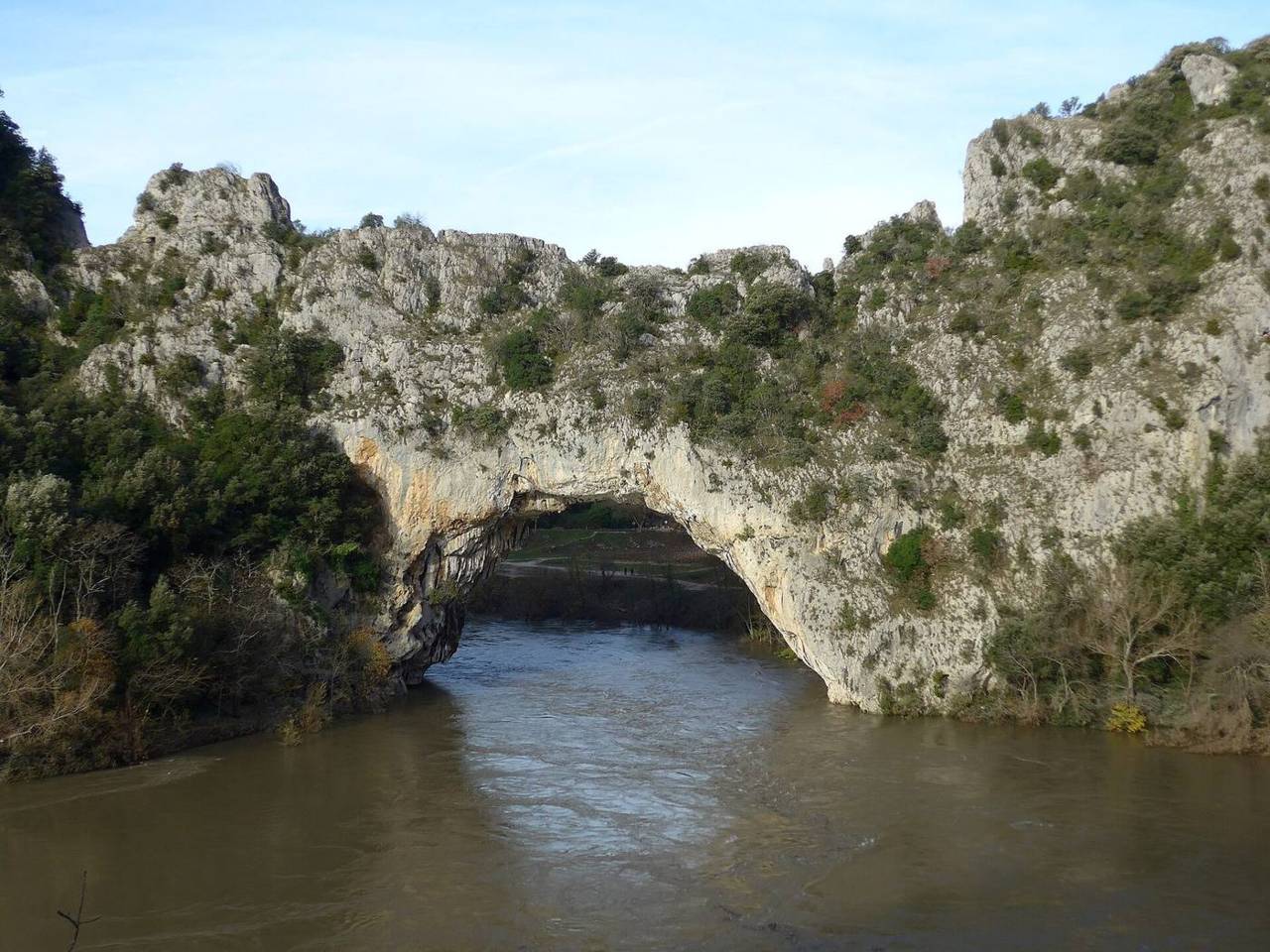
Ardèche: gorges and the Chauvet cave
The limestone gorges of the Ardèche, with the Pont d'Arc and the river to paddle by canoe, the faithful replica of the Chauvet cave with the world's oldest paintings, a UNESCO World Heritage site, the medieval villages of Balazuc and Vogüé and lavender fields.
 5 daysEasy
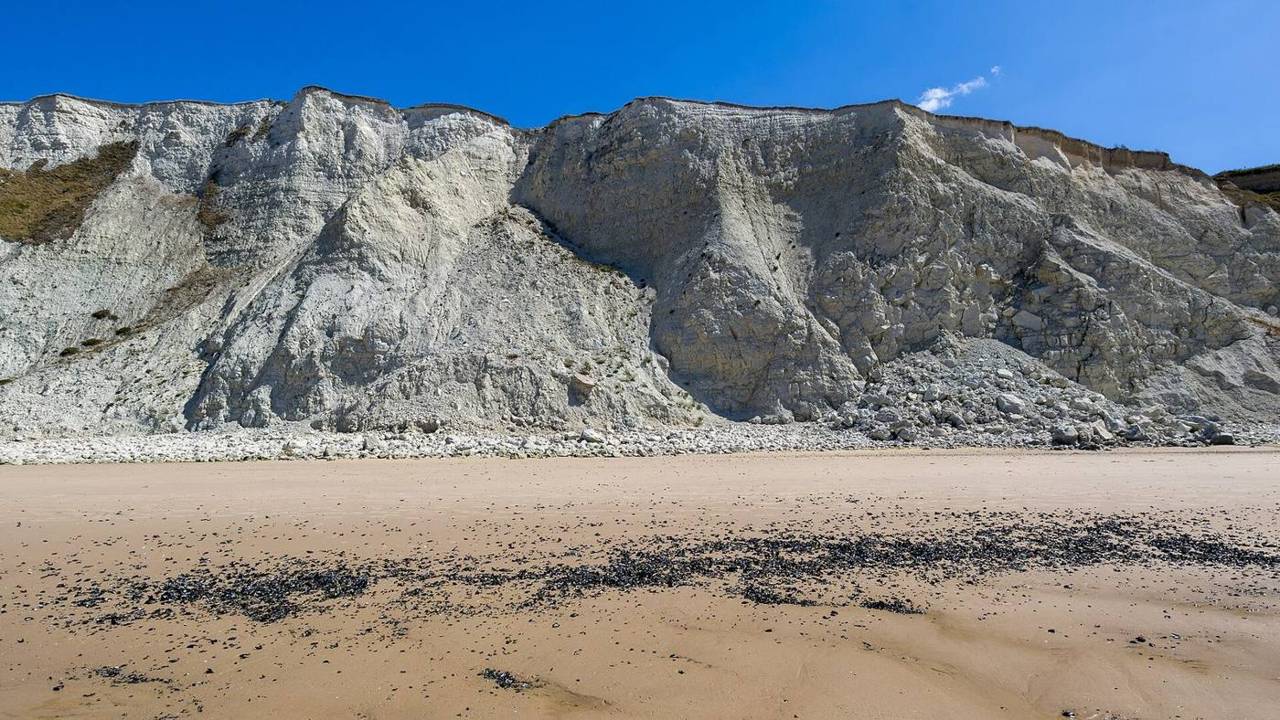
Lille and the Opal Coast
Northern France: Lille with its Flemish Grand-Place and Fine Arts museum, the Louvre-Lens, the Great War memorials, then the cliffs of Cap Blanc-Nez and Cap Gris-Nez facing England, Boulogne with the Nausicaá aquarium and the citadel of Montreuil.
 5 daysEasy
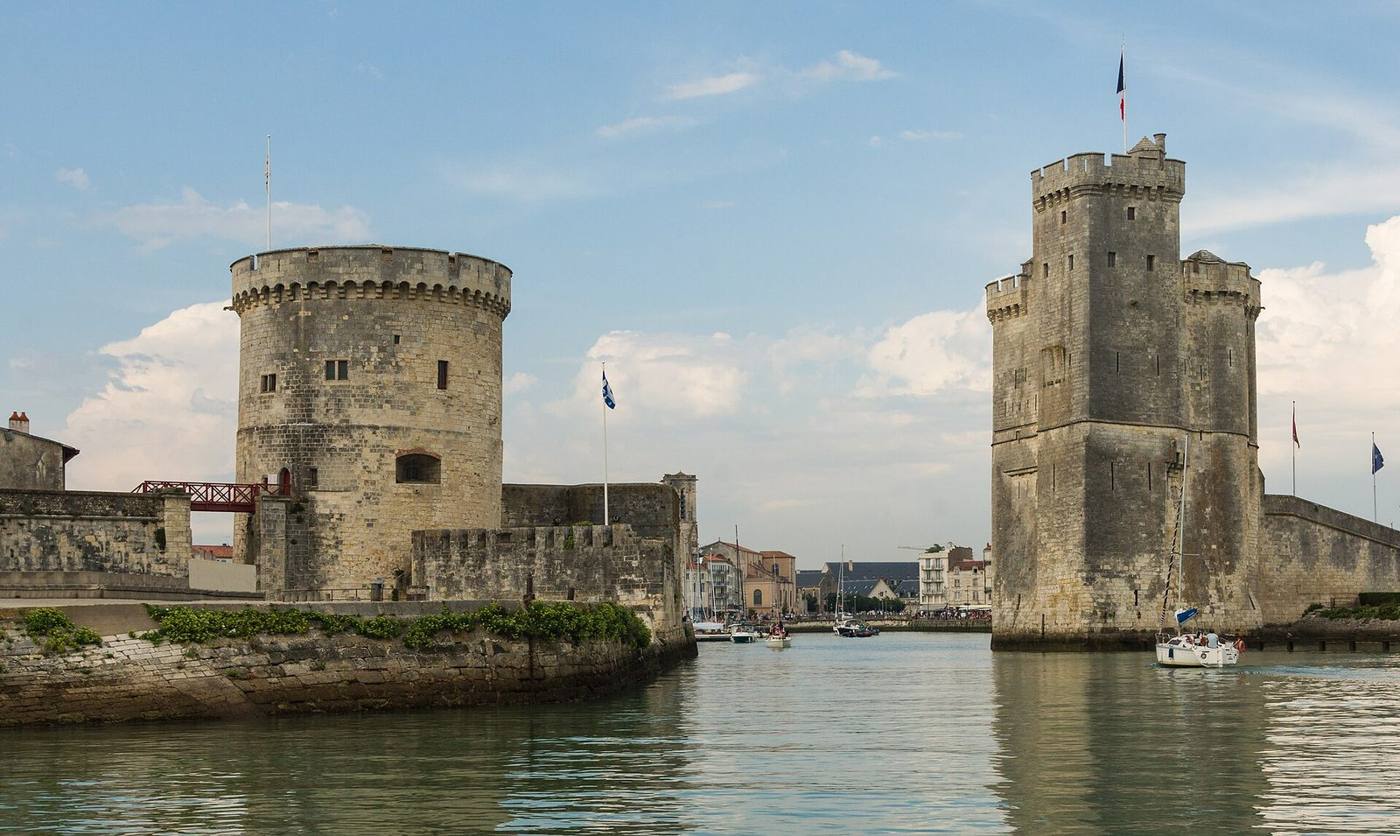
La Rochelle, Île de Ré and the Marais Poitevin
The Atlantic coast between towers and salt pans: La Rochelle's old port and towers, Île de Ré by bike between white villages and salt marshes, Fort Boyard seen from the sea, and the 'Green Venice' of the Marais Poitevin explored by boat among canals and trees.