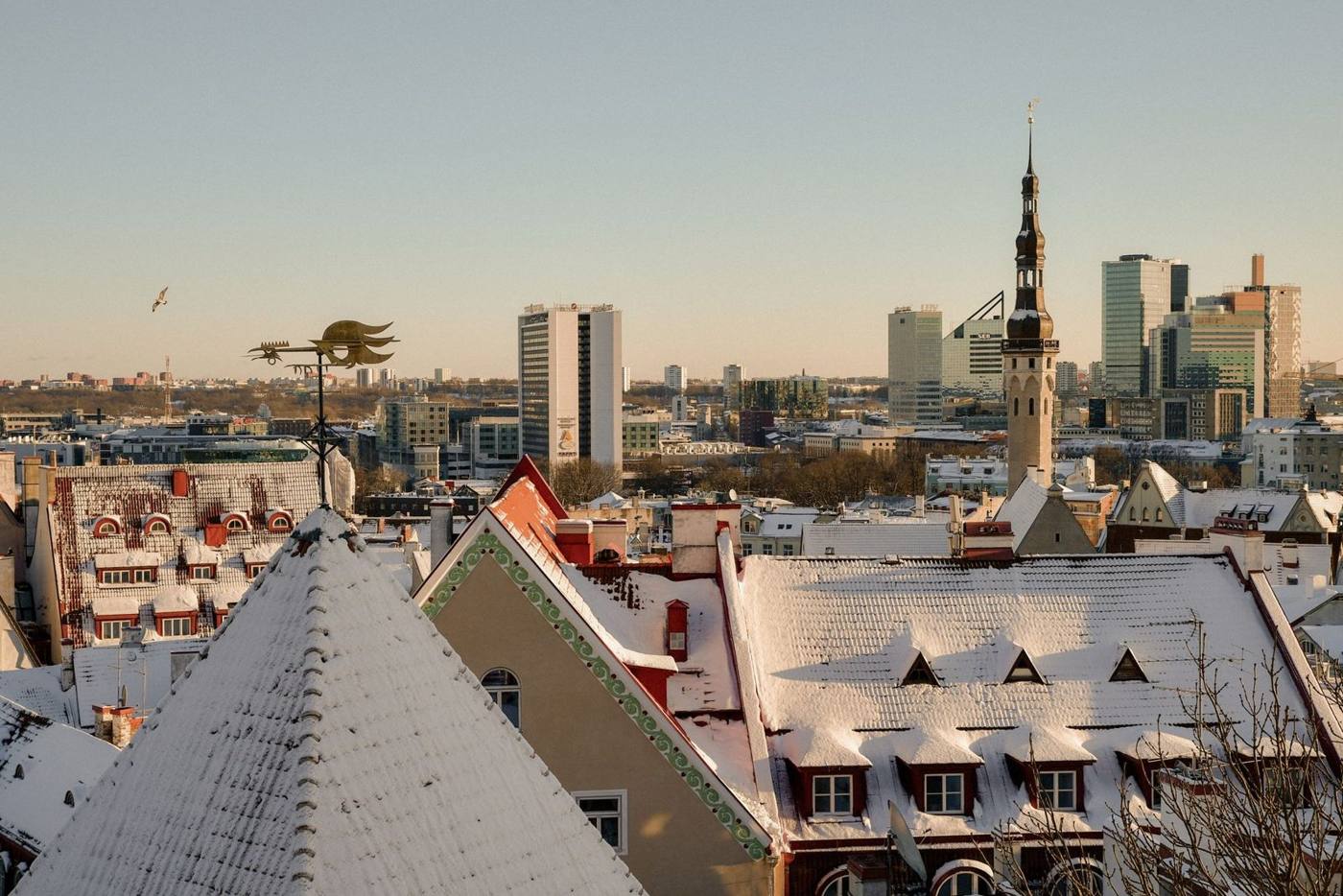
Tallinn in winter
The old town under snow, the Christmas market in Town Hall Square, the Iglupark saunas and the frozen sea at Pirita.
- Tallinn
- Raekoja plats
- Kalamaja
- Pirita
Day by day
- Day 1
The Christmas market and the Old Town
This trip takes you to Tallinn in the depths of winter, when the medieval Old Town, a UNESCO World Heritage Site since 1997, is covered in snow and lights. Three days on foot, with the Christmas market, the wooden district of Kalamaja, a sauna by the sea and the seafront at Pirita.
Before you go: Italian citizens can enter Estonia with an electronic identity card or a passport, without a visa. Other nationalities should check their own rules. Tallinn is a safe city, but there are pickpockets in the Old Town, at the station and in the markets. In Estonia pedestrians must wear a reflector in the dark: in December it gets dark at around half past three in the afternoon.
In the morning, enter the Old Town through the Viru Gate, with its two round towers, and walk up to Town Hall Square. The Gothic town hall, completed in the early fifteenth century, is topped by the weathervane of Old Thomas, the guardian who symbolises the city.
From late November the square hosts the Christmas market, with wooden huts, a big tree and stalls selling wool, pottery and sweets. Tallinn claims to have put up one of the first public Christmas trees in Europe, in 1441. Try glögi, the local mulled wine, and sausages with sauerkraut.
In the afternoon, walk along Pikk Street to St Olaf's Church and the Fat Margaret tower, then go back to the square when the lights come on.
Practical tip: dress in layers and wear shoes with soles that grip on ice, because the cobbles of the Old Town become very slippery.
- Day 2
Kalamaja, the Seaplane Harbour and a sauna by the sea
Today you leave the walls and head towards the sea, to Kalamaja, the old fishermen's quarter.
In the morning, first climb Toompea hill, the upper town, to see the snowy roofs from the viewing platforms, with the Orthodox Alexander Nevsky Cathedral and St Mary's Cathedral. Then walk down towards the north.
Kalamaja is made up of colourful wooden houses, with a stone ground floor and wooden upper floors, quiet courtyards and small parks. Nearby is the covered Baltic Station market, where you can find black bread, smoked fish and country produce.
Visit the Seaplane Harbour maritime museum, inside the huge concrete hangars built during the First World War. Inside is the Lembit submarine, from the 1930s, which you can go into. Check prices and times.
In the late afternoon, try a public sauna by the sea, between Kalamaja and the port. In Estonia the sauna is a ritual: you switch between heat and cold, with an icy shower, a dip in the sea or a run in the snow. Only do it if you feel well and have no heart problems, and get out at once if you feel dizzy.
In the evening, go back to the Old Town for a warm dinner.
Practical tip: book the sauna in advance, bring a swimsuit, flip-flops and a wool hat, and drink plenty of water before and after.
- Day 3
Kadriorg, Pirita and the winter sea
The last day takes you east of the centre, along the bay.
In the morning, take the tram to Kadriorg. The park and the Baroque palace were commissioned by Tsar Peter the Great for his wife Catherine, in the eighteenth century. Under the snow the garden is silent, and nearby is Kumu, the art museum of Estonia, in a modern building cut into the hillside. Check prices and times.
Then take the bus to Pirita, along the coast road. Here you will find the ruins of St Bridget's Convent, from the fifteenth century, destroyed during the Livonian War: the tall roofless Gothic walls look striking in the snow. Pirita also hosted the sailing events of the 1980 Moscow Olympics.
Walk along the beach: in the coldest winters the sea near the shore freezes, forming sheets and ridges of ice. Never walk on the sea ice, even if it looks solid.
Go back to the centre for a last look at the market and then head to the airport, a few kilometres from the city.
In these three days you have seen Tallinn in winter: the market on Town Hall Square, the upper town, the wooden houses of Kalamaja, the Seaplane Harbour, the sauna with a cold plunge, Kadriorg and the frozen sea at Pirita.
When to go: from late November to February. The market usually runs until the first days of January. In December there are only about six hours of daylight and temperatures often drop below -10 °C.
Practical tip: keep your phone in an inside pocket, because in intense cold the battery drains very quickly.
One of Europe's most beautiful cities under snow. In December daylight lasts only six hours. Temperatures often fall below -10 °C.
Before you go
- Documents and visa
- EU citizens need a valid identity card or passport: Estonia is in the EU and the Schengen area. Other nationalities should check the Schengen rules and the Entry/Exit System.
- Health and vaccines
- No vaccines required. EU citizens should bring their EHIC, plus insurance covering medical costs and repatriation. In spring and summer the forests have ticks that can carry encephalitis: ask your doctor about the vaccine. Emergencies: 112.
- Money and payments
- Euro. Cards and phone payments are accepted almost everywhere, even for small amounts; carry some cash for farms and country markets.
- Power sockets
- Types C and F, 230 volts.
- Time zone
- Eastern European Time (UTC+2, summer UTC+3).
- Safety
- A safe country, with pickpockets in Tallinn's Old Town, especially in bars and nightclubs. Pedestrians must wear a reflector in the dark. From 1 December 2026 all road crossings with Russia (Narva, Koidula, Luhamaa) are closed to pedestrians and vehicles. The UK reports that some Ukrainian drones aimed at Russia have crossed into Estonian airspace: follow official guidance. Official advice: GOV.UK.
Information checked in November 2026 for Italian and EU citizens. Rules change: always check before you travel.
Variations
In 2 days: the Old Town and the market on the first day, Kalamaja and the sauna by the sea on the second.
In 5 days: add a drive to the frozen Jägala waterfall and a day trip to Helsinki by ferry.
Frequently asked questions
What document do I need for Estonia?
Italian citizens can enter with an electronic identity card or a passport, without a visa. Other nationalities should check their own rules.
How cold is Tallinn in winter?
Very cold, especially with the wind off the sea. Temperatures often drop below -10 °C. Bring a padded jacket, a hat, gloves and shoes with non-slip soles.
When is the Christmas market?
Usually from late November to the first days of January, on Town Hall Square. The dates change every year: check them on the city's official website.
Indicative itinerary written by World Atlas. Before booking, check timetables, seasonal openings, documents and safety.
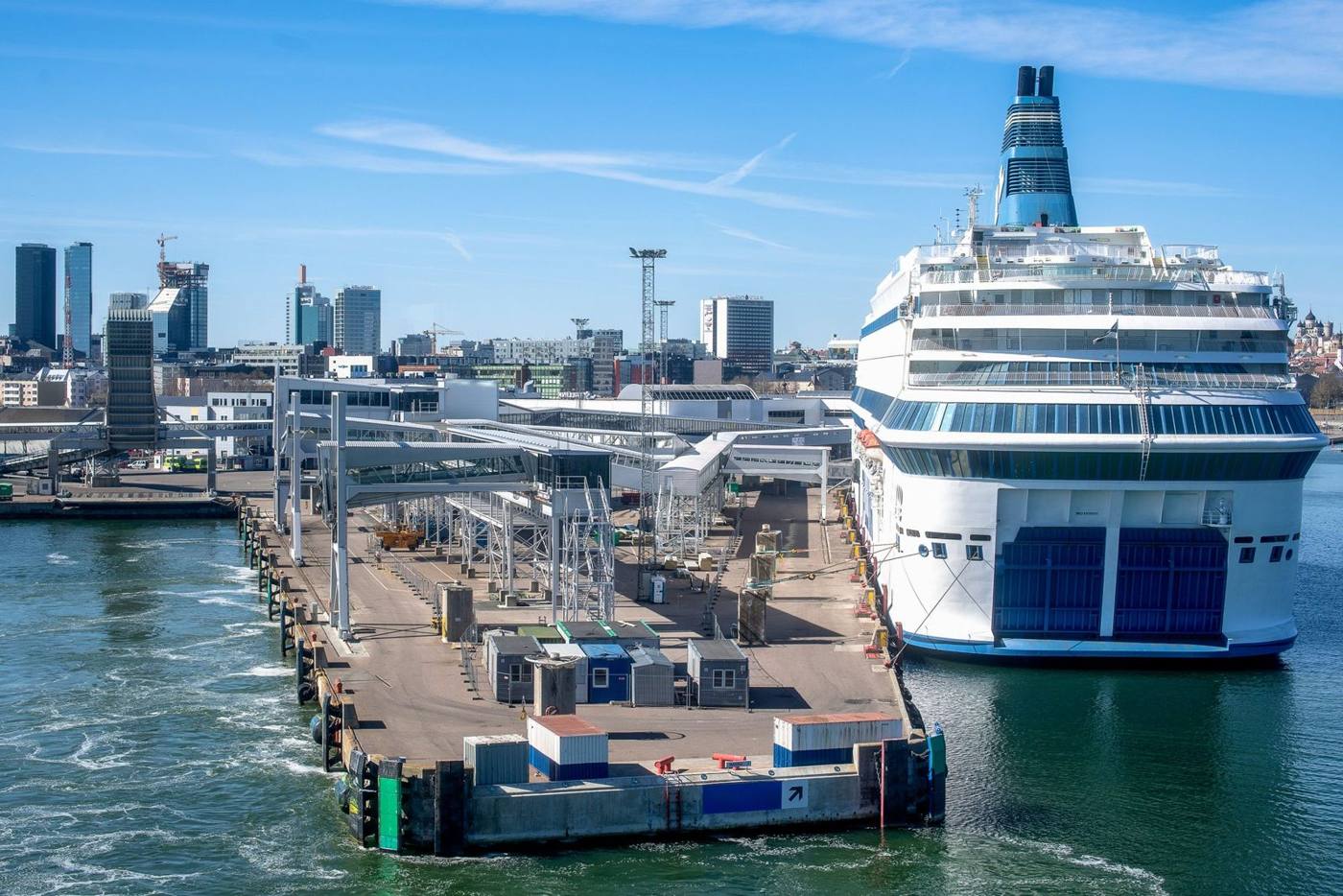 4 daysEasy
Tallinn and Helsinki
Two capitals two hours apart by ferry: medieval Tallinn and design-led Helsinki, with Suomenlinna fortress and seaside saunas.
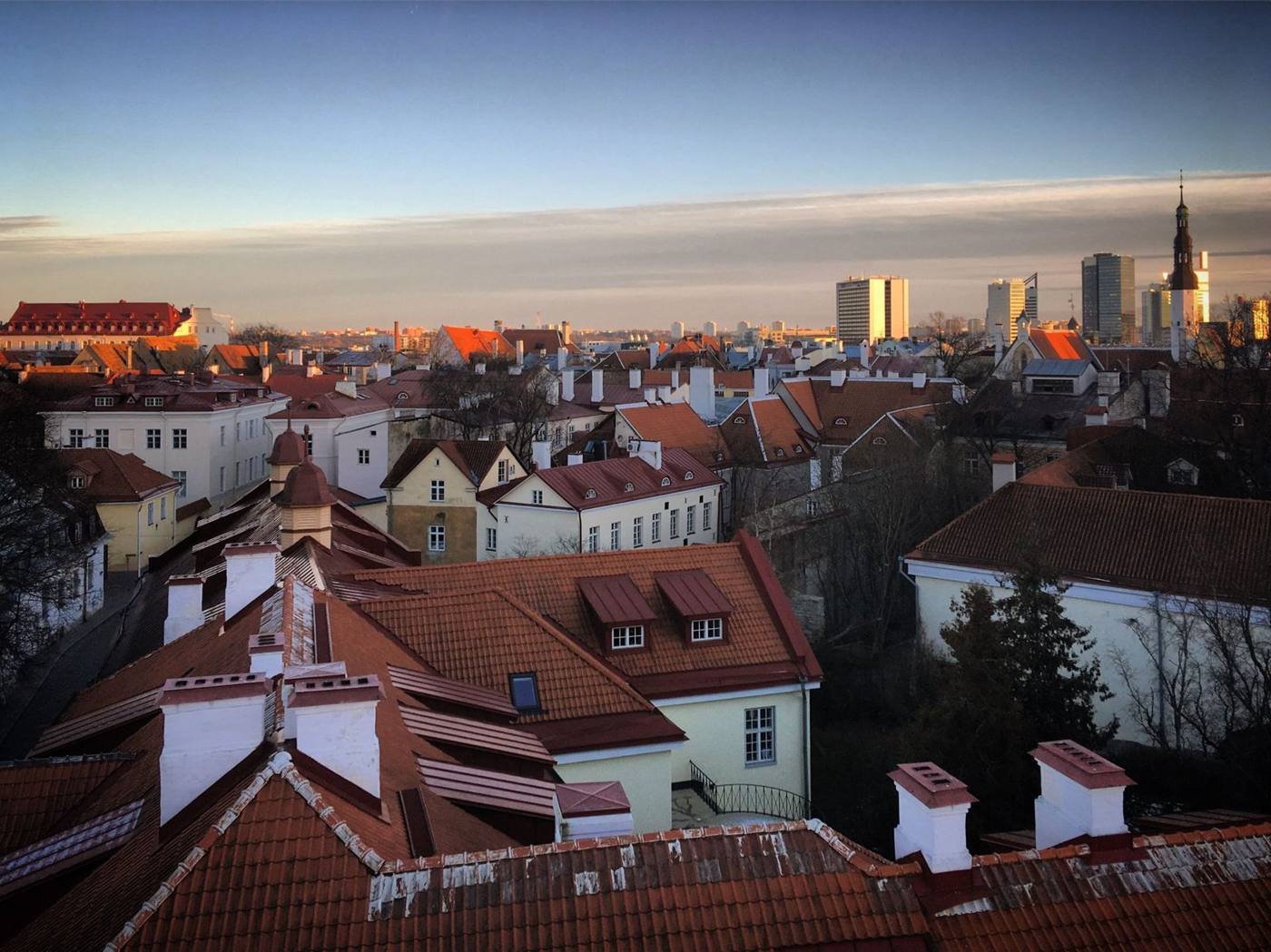 4 daysEasy
Tallinn and Lahemaa
The UNESCO medieval old town, the creative Telliskivi district, the Seaplane Harbour and Lahemaa National Park with its manor houses.
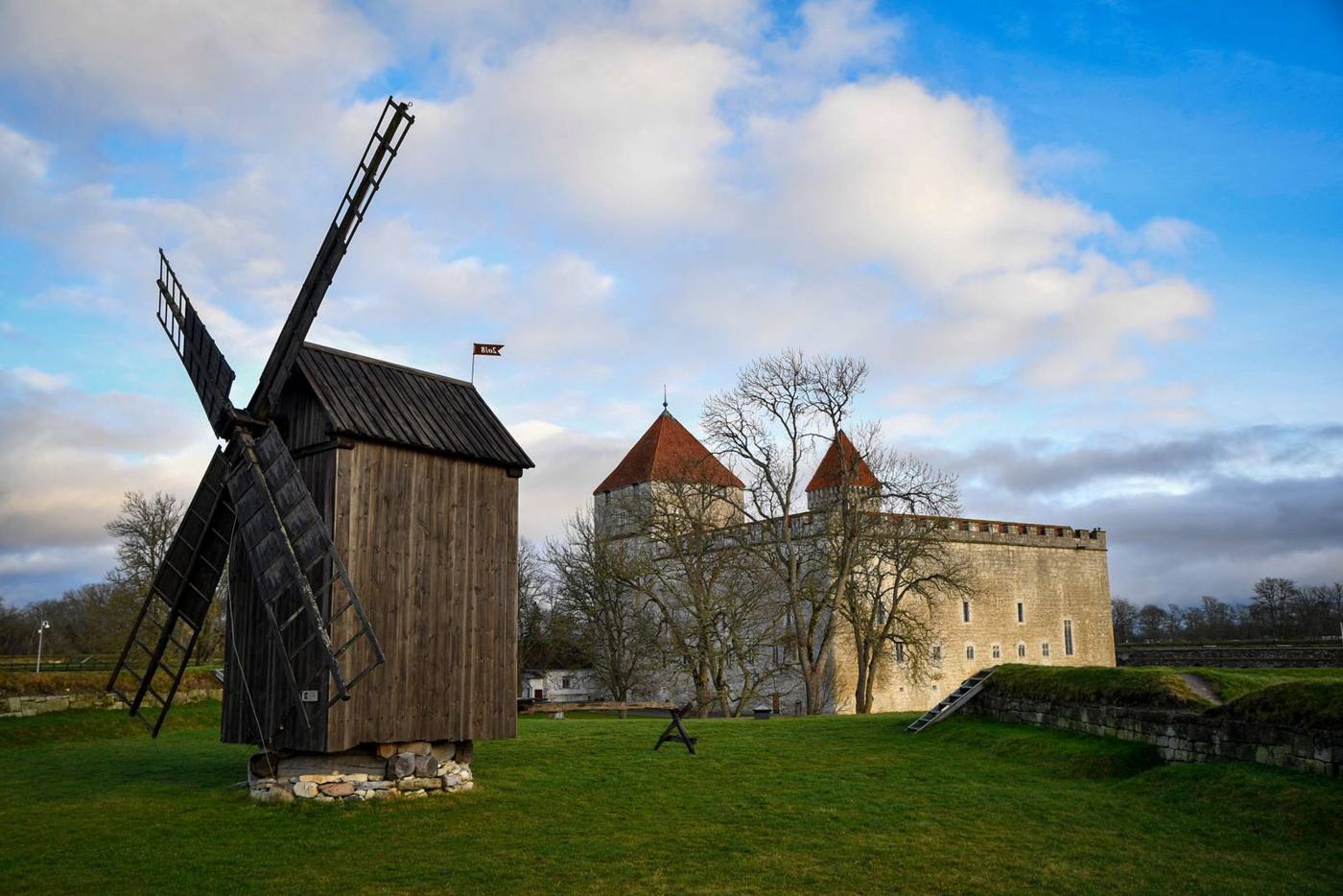 5 daysEasy
The islands of Saaremaa and Hiiumaa
Windmills, the episcopal castle of Kuressaare, the Kaali meteorite crater, cliffs and old lighthouses on the Baltic islands.