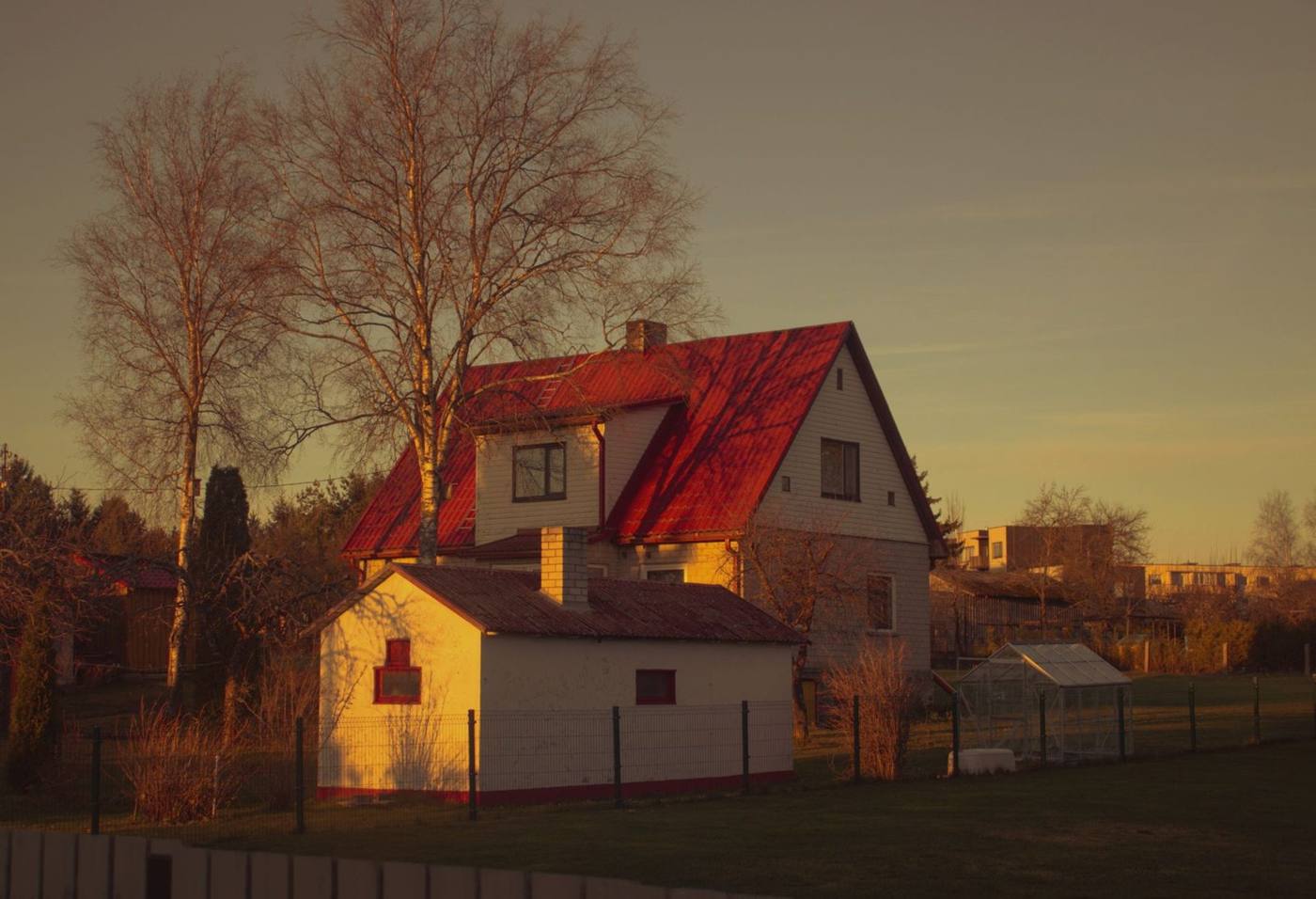
Setomaa
The land of the Seto, an Orthodox people of the south-east who elect a 'king' every year, the UNESCO leelo song, farm museums and the Pskov monastery across the border.
- Värska
- Obinitsa
- Saatse
- Meremäe
Day by day
- Day 1
Värska and the Seto Farm Museum
This trip takes you to Setomaa, the land of the Seto, in the south-eastern corner of Estonia. The Seto are a small Orthodox people with their own language, close to South Estonian, wooden villages, small chapels called tsässon and a polyphonic song, leelo, on UNESCO's intangible heritage list since 2009. You travel by rental car, starting from Tartu.
Before you go: Italian citizens can enter Estonia with an electronic identity card or a passport, without a visa. Other nationalities should check their own rules. Setomaa lies on the border with Russia. From 1 December 2026 all road crossings with Russia, including Koidula in Setomaa, are closed to pedestrians and vehicles. The Italian foreign ministry advises caution along the whole border. Do not go near the border line, respect the signs and do not photograph border installations.
In the morning, drive from Tartu to Värska, about an hour and a half. Värska is the main centre of Setomaa, on the shore of a bay of Lake Pskov, and is famous for its mineral water.
Visit the Seto Farm Museum, a nineteenth-century farm with the house, the granary, the sauna and the workshops, and discover how farming families lived. Check prices and times.
In the afternoon, walk along the lakeside and stop at the village's Orthodox church.
In the evening, try sõir, the fresh Seto cheese, often made with caraway seeds.
Overnight in Värska or on a rural tourism farm, for two nights.
Practical tip: book your stay with a Seto family, who often also arrange dinners and visits to the villages.
- Day 2
Obinitsa, leelo singing and Seto food
Today you explore the heart of Setomaa, with its villages scattered among forests, fields and small lakes.
In the morning, drive to Obinitsa, about half an hour. On the lakeshore stands the large statue of the Seto Song Mother, dedicated to the women who passed leelo down the generations. The song has a lead voice that improvises the verses and a choir that answers, and it is sung at festivals, at weddings and during work in the fields.
Visit the small village museum, with traditional costumes, the large silver brooches the women wear on their chests and embroidered textiles. Check prices and times.
For lunch, try Seto cooking with a rural tourism family: soups, home-made bread, sõir, lake fish, mushrooms and berries, often with songs from the village women. Book ahead.
In the afternoon, climb Meremäe hill, with a viewing tower looking out over the forests and villages. Then stop at the Piusa sand caves, old sand mines where bats now spend the winter: the tunnels are protected, but you can visit the visitor centre and the viewpoint.
Overnight in Värska or at the same farm.
Practical tip: if you travel in August, find out the date of Seto Kingdom Day, the big festival where every year the people elect the representative of the mythical king Peko.
- Day 3
Saatse and back to Tartu
In the morning, drive to Saatse, in the most remote corner of Setomaa. The old road that ran for a few minutes through Russian territory, in the area known as the Saatse Boot, was closed by the Estonian government in October 2025: use the road that stays in Estonia and follow local signs.
In Saatse, visit the village's Seto museum, with everyday objects, photographs and costumes, and the Orthodox church. Check prices and times.
A few kilometres across the border lies the Pskov Caves Monastery at Pechory, a very important holy place for the Seto. Today it cannot be reached: the border is closed and the Italian foreign ministry advises against travel to Russia. Do not try to cross.
In the afternoon, drive back towards Tartu, about an hour and a half, through the fields and forests of the south.
In these three days you have seen one of the most unusual cultures in Europe: the farm museum in Värska, leelo singing and the statue at Obinitsa, Seto cooking, Meremäe hill, the Piusa caves and the village of Saatse.
When to go: the best months are June to August, with long days and village festivals. Seto Kingdom Day is in August. In winter many museums open only by appointment.
Practical tip: buy sõir, textiles or pottery directly from Seto families: it is the best way to support the villages and take home something made here.
A unique, little-known culture on Europe's edge. Some roads skirt the Russian border: do not cross it. The best visits are with Seto families running rural tourism.
Before you go
- Documents and visa
- EU citizens need a valid identity card or passport: Estonia is in the EU and the Schengen area. Other nationalities should check the Schengen rules and the Entry/Exit System.
- Health and vaccines
- No vaccines required. EU citizens should bring their EHIC, plus insurance covering medical costs and repatriation. In spring and summer the forests have ticks that can carry encephalitis: ask your doctor about the vaccine. Emergencies: 112.
- Money and payments
- Euro. Cards and phone payments are accepted almost everywhere, even for small amounts; carry some cash for farms and country markets.
- Power sockets
- Types C and F, 230 volts.
- Time zone
- Eastern European Time (UTC+2, summer UTC+3).
- Safety
- A safe country, with pickpockets in Tallinn's Old Town, especially in bars and nightclubs. Pedestrians must wear a reflector in the dark. From 1 December 2026 all road crossings with Russia (Narva, Koidula, Luhamaa) are closed to pedestrians and vehicles. The UK reports that some Ukrainian drones aimed at Russia have crossed into Estonian airspace: follow official guidance. Official advice: GOV.UK.
Information checked in November 2026 for Italian and EU citizens. Rules change: always check before you travel.
Variations
In 2 days: Värska, Obinitsa and Meremäe hill, starting from Tartu.
In 5 days: add Võru, Suur Munamägi hill and the Rõuge lakes in southern Estonia.
Frequently asked questions
What document do I need for Estonia?
Italian citizens can enter with an electronic identity card or a passport, without a visa. Other nationalities should check their own rules.
Can I visit the monastery at Pechory?
No. The monastery is in Russia, from 1 December 2026 the road crossings with Estonia are closed, and the Italian foreign ministry advises against travel to Russia.
Is Setomaa safe?
The villages are quiet and welcoming. Stay away from the border line, respect the signs and do not photograph border installations. The Italian foreign ministry advises caution along the whole border.
Indicative itinerary written by World Atlas. Before booking, check timetables, seasonal openings, documents and safety.
 3 daysEasy
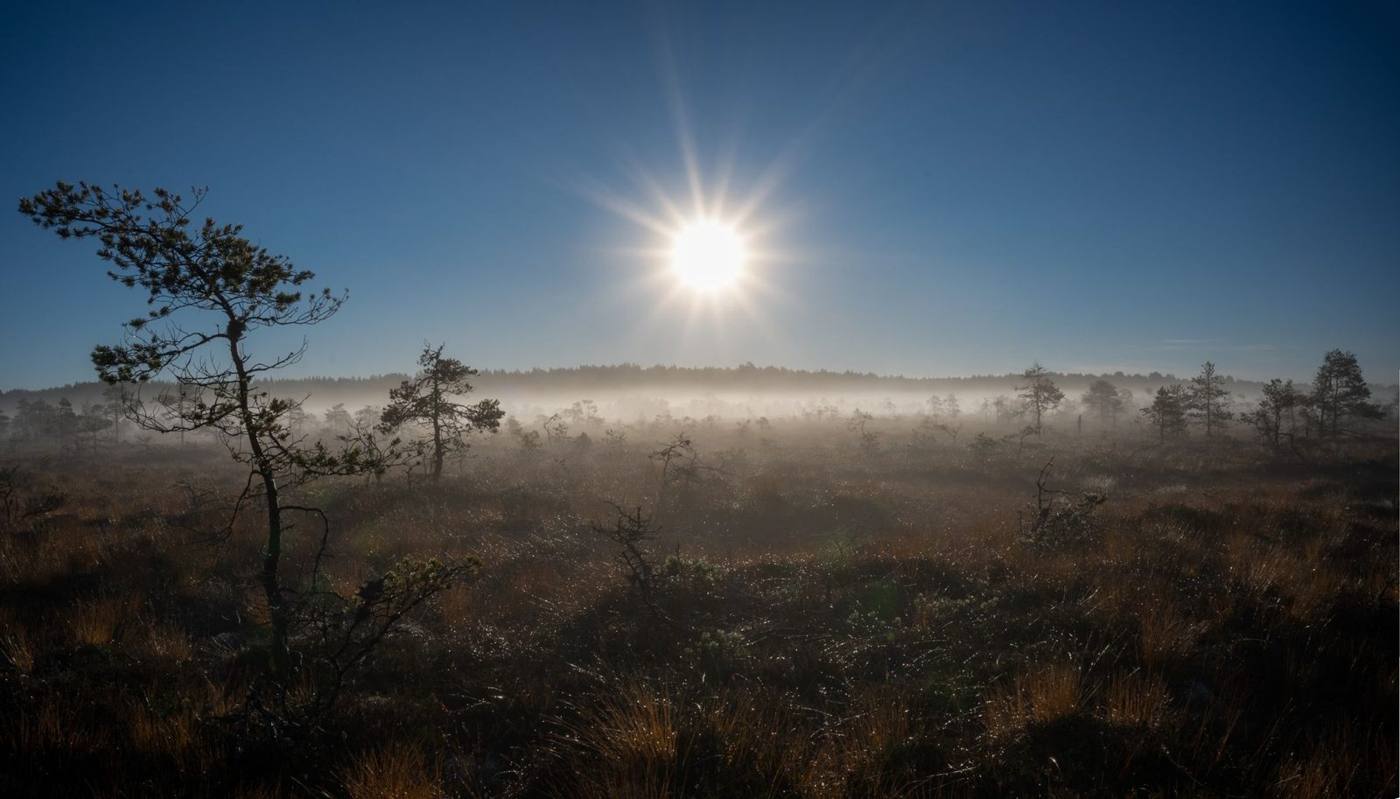
Alutaguse and the bears
The forests and bogs of Alutaguse National Park, with nights in hides watching bears, beavers and flying squirrels.
 3 daysEasy
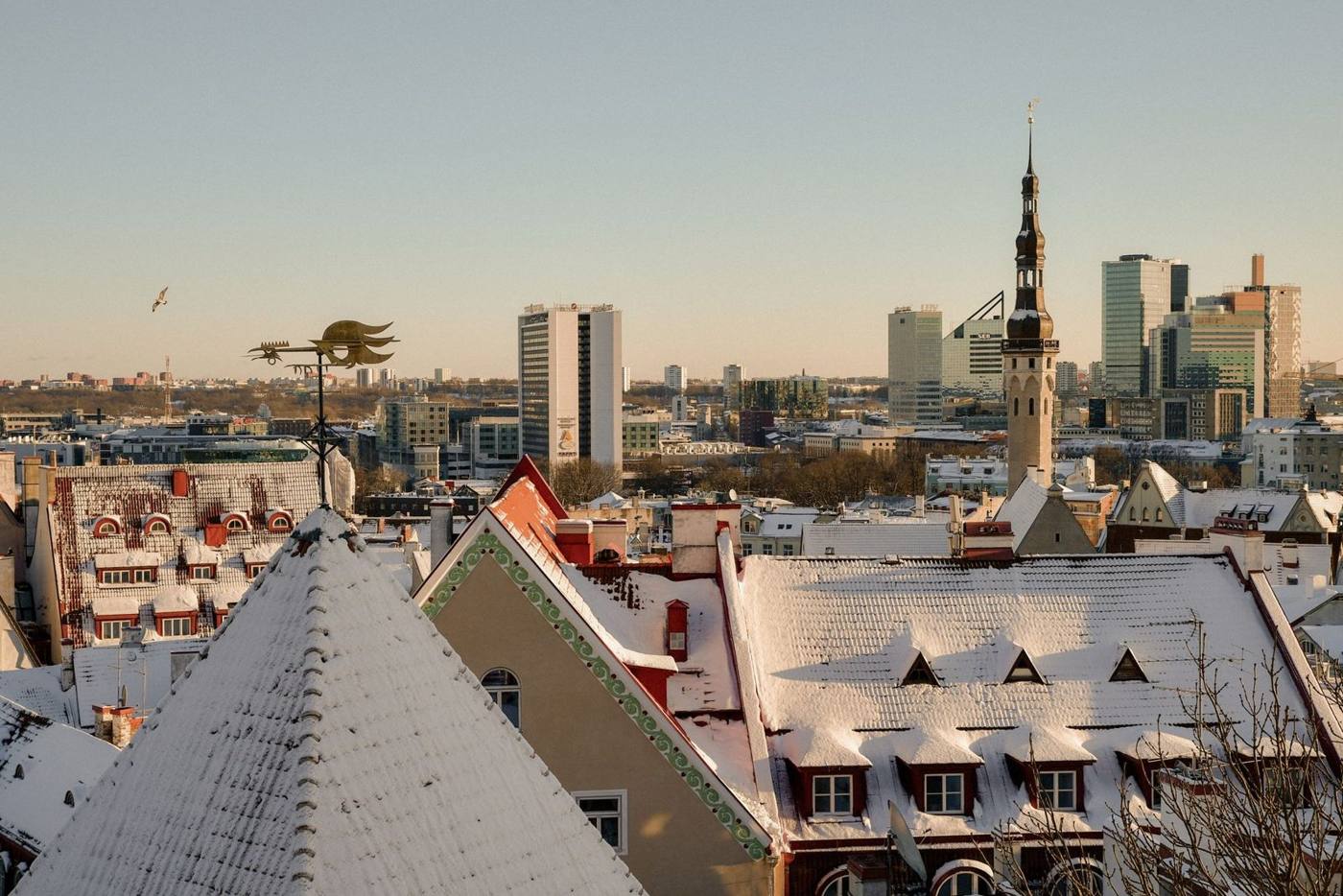
Tallinn in winter
The old town under snow, the Christmas market in Town Hall Square, the Iglupark saunas and the frozen sea at Pirita.
 4 daysEasy
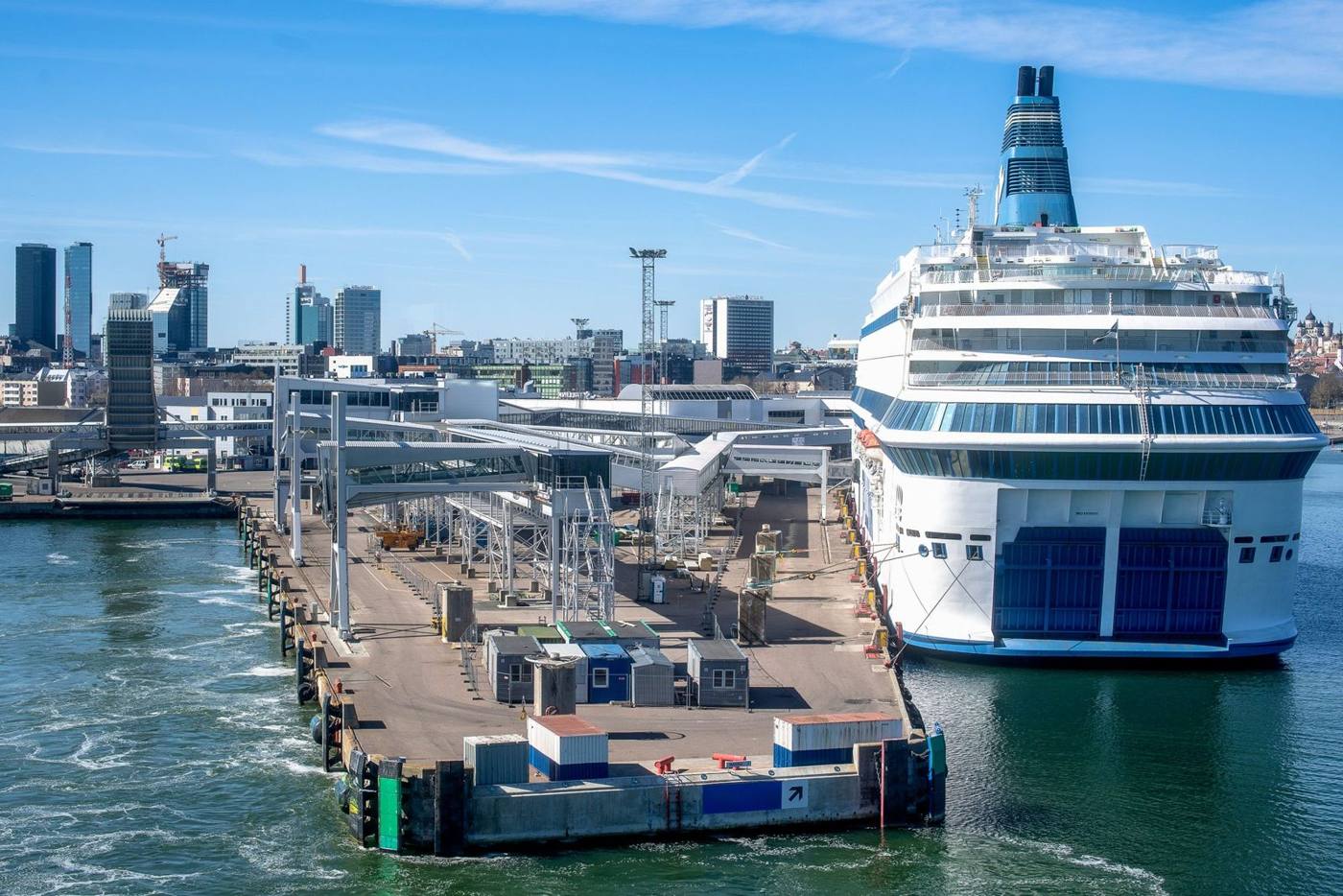
Tallinn and Helsinki
Two capitals two hours apart by ferry: medieval Tallinn and design-led Helsinki, with Suomenlinna fortress and seaside saunas.