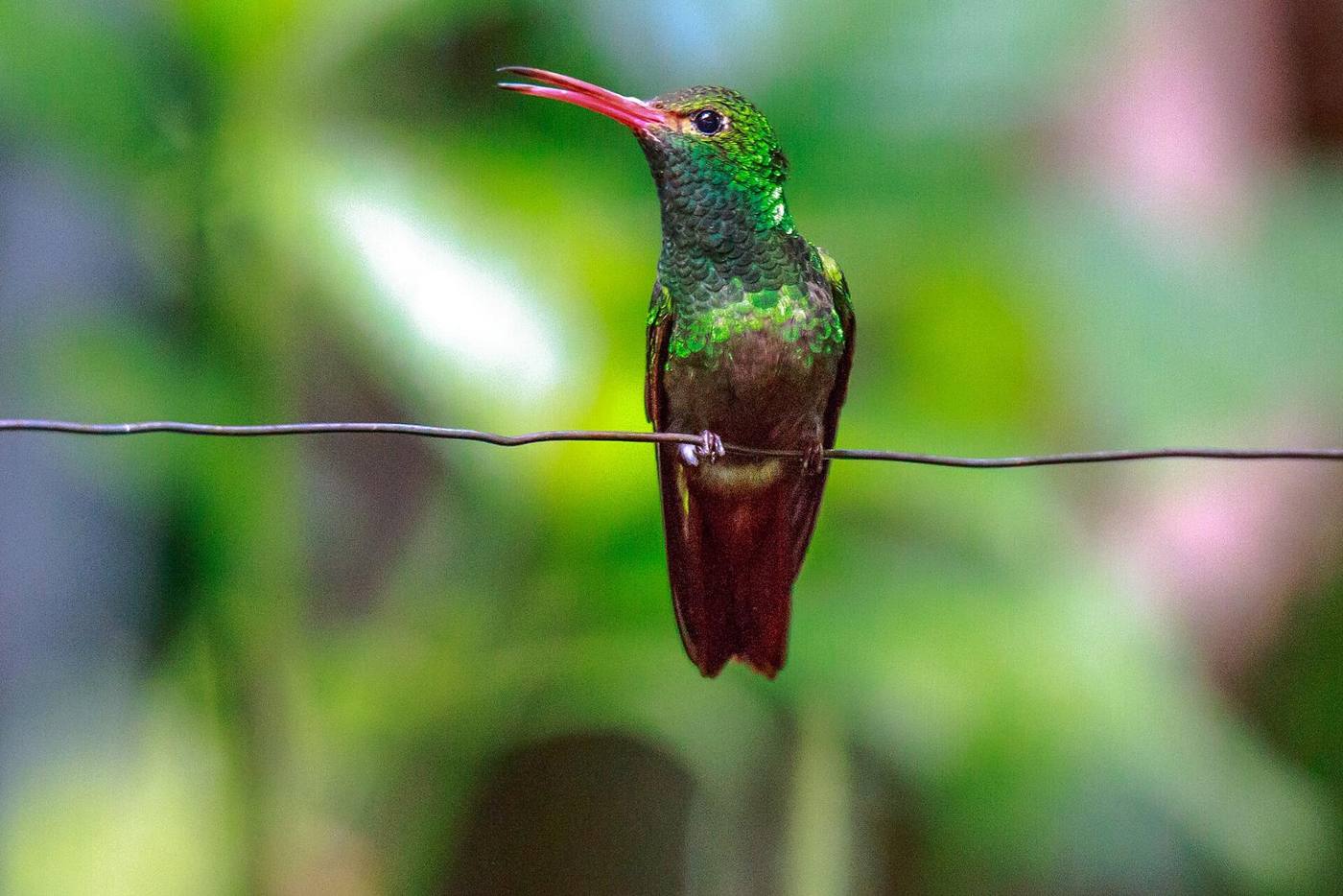
Mindo and the coast: cloud forest and whales
Hummingbirds and orchids in the Mindo cloud forest, then the Pacific coast: Puerto López, humpback whales and Isla de la Plata, the 'poor man's Galápagos'.
- Quito
- Mindo
- Puerto López
- Isla de la Plata
- Los Frailes
- Montañita
Day by day
- Day 1
Arrival in Quito
This nine-day trip combines two sides of Ecuador: the Mindo cloud forest, with hummingbirds and orchids, and the Pacific coast, with humpback whales, Isla de la Plata, Machalilla National Park and the surf villages of Ayampe and Montañita.
Before you go: Italian citizens can enter Ecuador without a visa for tourism for up to 90 days, with a passport valid for at least six months from arrival. Other nationalities should check their own rules. Some areas on this trip are close to borders or places where the situation changes often: check your government's travel advice before booking and again before you leave.
You land in Quito, the capital, at about 2,850 metres, in an Andean valley surrounded by volcanoes. The airport is far from the centre, about an hour by road: take an official taxi or a pre-booked transfer.
If you arrive early, take a gentle walk in the historic centre, one of the first places inscribed on UNESCO's World Heritage List. Walk to the Plaza Grande, with the government palace and the cathedral, then go into the church of La Compañía de Jesús, with walls and altars covered in gold. Check prices and times.
Take the first evening slowly, because the altitude is tiring. Have dinner with locro de papa, the potato soup with cheese and avocado, and drink plenty of water or a hot herbal tea.
Practical tip: in Quito in the evening use only taxis booked through an app or by your accommodation, and in the historic centre keep your phone in your pocket.
- Day 2
Mindo, the cloud forest
Today you descend from the Andes to the Mindo cloud forest, about two hours north-west of Quito.
The road passes near the Mitad del Mundo, the monument on the line of the equator, where you can stop for a photo with one foot in each hemisphere. It then drops down the western slopes of the Andes, through clouds, giant ferns and moss-covered trees, to about 1,250 metres.
Mindo is a small town in a green valley, in one of the richest regions in the world for birds, called the Andean Chocó. Hundreds of species live here, including dozens of different hummingbirds, toucans, tanagers and the flame-red Andean cock-of-the-rock.
In the afternoon visit a hummingbird garden: in front of the sugar-water feeders you see green, violet and blue hummingbirds flying close by, their wings beating so fast that they hum. Then go into a mariposario, a butterfly farm, where you see the chrysalises hanging and butterflies emerging, such as the large blue morpho.
In the evening take a night walk with a local guide to see colourful frogs, stick insects, spiders and sometimes an owl.
In the afternoon it almost always rains in Mindo: this is the cloud forest, and the rain is the reason everything is so green.
Practical tip: bring a light rain jacket, quick-drying shoes and a pair of binoculars, even small ones, to see the birds properly.
- Day 3
Waterfalls, cable car and chocolate
Today you explore the forest around Mindo from above and from the water.
At dawn, if you like birds, go out with a specialist guide: this is the best time to see them, when they are most active. With some luck you see the male Andean cock-of-the-rock dancing and calling at its display ground.
Then go up to the tarabita, a small open cabin hanging from a cable, which crosses the valley of the Nambillo River high above the treetops. On the other side a forest trail leads down to a series of waterfalls, with pools where you can swim if you are brave, because the water is cold. The full route takes a few hours, with muddy stretches and steps. Check prices and times.
In the afternoon visit a cocoa workshop. Ecuador produces some of the finest cocoa in the world, called fino de aroma. You see the fruit of the plant, the beans fermenting and drying, the roasting and the processing up to the bar, and you taste chocolate at different percentages.
If you want something more lively, go down the Mindo River on big inner tubes, called tubing, through easy rapids.
In the evening have dinner with tilapia or trout, rice and patacón, green plantain flattened and fried.
Practical tip: the stones on the waterfall trails are slippery; wear shoes with a good grip and leave your valuables at your accommodation.
- Day 4
To the Pacific coast
Today you leave the forest and reach the Pacific coast at Puerto López, in Manabí province.
The road from Mindo to the coast is very long, more than eight hours. The most comfortable option is to go back to Quito and take a domestic flight to Manta, then continue south by car, about two hours, with a driver or an organised transfer, by day. Do not travel on the coastal roads at night.
From the plane you see the landscape change: from green mountains and volcanoes to the plain and then the dry hills of the coast, covered with kapok trees, with their swollen trunks, and cactus. This part of the coast is drier than you might expect, because of the cold Humboldt Current offshore.
Puerto López is a fishing village on a wide bay, the gateway to Machalilla National Park. In the late afternoon walk on the beach, where colourful boats come back from fishing and frigatebirds, large black birds with pointed wings, glide over the sand waiting for fish scraps.
Early in the morning, if you get up in time, you see the fish market on the beach, with tuna, dorado and prawns.
In the evening have dinner with fish or prawn ceviche, or with encocado, fish cooked in coconut milk, a typical coastal dish.
Practical tip: in Puerto López keep your bag with you at all times, use taxis or tuk-tuks to get around in the evening and book the next day's boat trip in advance.
- Day 5
Humpback whales and Isla de la Plata
Today is the big boat day: the whales and Isla de la Plata.
From June to September humpback whales travel from the cold waters near Antarctica to the warm waters of Ecuador to mate and give birth. From the boat you see them blow, lift their tails before diving and sometimes leap out of the water with their whole body, falling back with a huge splash. Licensed boats must keep their distance and switch off or slow their engines near the animals.
Then the boat continues to Isla de la Plata, about an hour and a half from the coast, which is part of Machalilla National Park. The island is called the poor man's Galápagos because it is home to many birds similar to those of the Galápagos, at a much lower price. With a park guide you walk on trails through dry scrub and see up close blue-footed boobies, which perform their courtship dance by lifting their feet, black and white Nazca boobies, and frigatebirds with their red throat pouches.
Before heading back, the boat stops in a bay for snorkelling over the reef, among tropical fish and, sometimes, sea turtles.
Out of season, from October to May, the island trip still runs, but without the whales. Check prices and times.
Practical tip: the open sea can be rough; if you get seasick take a tablet before boarding and sit in the middle of the boat.
- Day 6
Machalilla National Park and Los Frailes
Today you stay on land and discover Machalilla National Park, which protects dry forest, beaches, islands and archaeological sites.
In the morning visit the community of Agua Blanca, which lives inside the park. Here a small archaeological museum displays pottery, funeral urns and U-shaped stone seats of the Manteño culture, which lived on this coast before the Spanish arrived. With a community guide you walk through the dry forest to a lagoon of sulphurous water, where local people bathe and cover themselves in mud, believed to be good for the skin. Check prices and times.
In the afternoon go to Los Frailes beach, about ten kilometres north of Puerto López, one of the most beautiful in Ecuador. It is a long bay of pale sand between two headlands, with no buildings, protected by the park. A trail passes two small neighbouring beaches, La Tortuguita and the dark-sand Playa Negrita, and climbs to a viewpoint over the whole bay. The sea can have strong currents: swim only where the water is calm.
The park has clear rules: you enter only at the set times, you take nothing away and you leave no litter.
In the evening return to Puerto López and watch the sunset over the bay.
Practical tip: there are no shops at Los Frailes; bring water, food, sun cream and an umbrella or a cloth for shade.
- Day 7
Ayampe, the quiet beach
Today you head south along the Ruta del Spondylus, the coastal road, to Ayampe, about half an hour from Puerto López.
The road runs between green hills and the sea, with small fishing villages and bays. Ayampe is a tiny village at the mouth of the river of the same name, on the border between Manabí and Santa Elena provinces, surrounded by forested hills. There are no large buildings: only wooden and bamboo houses, palm trees and a long beach.
In the morning take your first surf lesson. Ayampe's waves are good for beginners when the sea is calm, and the village instructors explain how to paddle, stand up and fall without hurting yourself. If you do not want to surf, walk along the beach to the river mouth, where the river meets the sea and you see herons and other water birds.
In the afternoon climb into the hills above the village on a forest trail: with some luck you see howler monkeys and many birds. At sunset watch the sun go down over the Pacific from the beach, with the rocky islets offshore.
In the evening have dinner with the grilled catch of the day, patacones and tropical fruit juice, such as passion fruit or naranjilla.
Practical tip: there are few or no cash machines in Ayampe; bring enough cash in dollars from Puerto López or Montañita.
- Day 8
Montañita, Olón and Dos Mangas
Today you visit the coastal villages of Santa Elena province, south of Ayampe.
In the morning go to Dos Mangas, a community inland, at the foot of the Chongón Colonche mountains. Here, with a local guide, you walk through a humid forest among rivers and waterfalls, sometimes on horseback for part of the way. The villagers work tagua, a palm seed as white and hard as ivory, called vegetable ivory, which they turn into buttons, jewellery and small carvings, and paja toquilla, the fibre of the Panama hat. Check prices and times.
Then go down to Olón, a village with a long, wide and quiet beach, and a small church on a headland looking out to sea.
In the afternoon go to Montañita, the most famous surf town in Ecuador. It is small and full of life, with sandy streets, craft stalls, surf schools and people from all over the world. At the north end of the beach, called La Punta, is the best-known wave, where international competitions are also held. Sit on the beach and watch the surfers.
In the evening Montañita is very lively, with music until late. If you prefer peace and quiet, go back to Ayampe or Olón before dark in a pre-booked taxi.
Practical tip: in Montañita in the evening keep an eye on your drink and your belongings, do not carry documents or much cash, and go back by taxi.
- Day 9
Guayaquil and departure
Today you travel to Guayaquil for your flight home.
In the morning leave the coast with an organised transfer, by day. The road passes through Santa Elena and then crosses the dry plain to Guayaquil, in about three hours. Go straight to the airport or, if your flight leaves late, stop in a guarded area of the city, such as the Malecón 2000, the riverside promenade with gardens and monuments, then continue by taxi.
If you have time before the flight, do some last shopping: fino de aroma chocolate, carved tagua, Andean textiles and coffee make good souvenirs to take home.
In these nine days you have seen a varied and lesser-known Ecuador: the Andean capital and its golden churches, the hummingbirds and waterfalls of the Mindo cloud forest, the humpback whales and blue-footed boobies of Isla de la Plata, Los Frailes beach and the surf villages of the coast.
When to go: from June to September, the humpback whale season, when the sky on the coast is often grey but there is little rain. From December to April the coast is warmer and sunnier, with heavy showers at times, but no whales. In Mindo it rains almost every afternoon in every season.
Practical tip: in Guayaquil arrive at the airport in good time, use only pre-booked taxis and never leave your luggage unattended.
An affordable, varied Ecuador, ideal from June to September for whales, when the Galápagos are pricier. Isla de la Plata has many of the Galápagos birds at a fraction of the price. Bring a raincoat to Mindo: it rains almost every afternoon.
Before you go
- Documents and visa
- Passport valid for at least six months from arrival. No visa is needed for tourism for up to 90 days in a year. For the Galápagos you also need travel health insurance, the Transit Control Card, obtained before the flight, and the park entry fee. Travellers entering overland from Colombia or Peru must show an apostilled criminal record certificate.
- Health and vaccines
- Quito is at about 2,850 metres and many Andean areas are higher: ask your doctor for advice on altitude. The yellow fever vaccine is recommended for the Amazon. Protect yourself from mosquitoes on the coast. Drink bottled water. Emergencies: 911.
- Money and payments
- US dollar. Bring small notes, because large ones are often refused; in villages and on some Galápagos islands there are few cash machines.
- Power sockets
- Type A and B, 120 volts: you need an adapter, and check that your devices accept 120 volts.
- Time zone
- UTC-5 on the mainland, UTC-6 in the Galápagos, all year.
- Safety
- The United Kingdom advises against all but essential travel to the coastal provinces of Esmeraldas, Manabí, Santa Elena, Guayas (including Guayaquil, except airport transit), El Oro, Los Ríos and Santo Domingo de los Tsáchilas, and within 20 km of the border with Colombia (except some areas of Carchi). In November 2026 the state of emergency was extended in eight provinces, including Pichincha, and in the cantons of La Maná, Las Naves and Camilo Ponce Enríquez. Beware of express kidnappings in taxis hailed in the street and of drugged drinks. Official advice: GOV.UK.
Information checked in November 2026 for Italian and EU citizens. Rules change: always check before you travel.
Variations
In 6 days: Quito, Mindo and a flight to Manta with two days in Puerto López, for the whales and Los Frailes.
In 16 days: add a week in the Galápagos, with a flight from Guayaquil at the end of the trip.
Frequently asked questions
What document do I need for Ecuador?
Italian citizens can enter without a visa for tourism for up to 90 days, with a passport valid for at least six months from arrival. Other nationalities should check their own rules.
When can I see humpback whales?
From June to September, when they come to Ecuador's warm waters to mate and give birth. The middle of the season, July and August, is usually best.
Can Isla de la Plata replace the Galápagos?
No, but it is a good taste: there are blue-footed boobies, Nazca boobies and frigatebirds, at a fraction of the price. The marine iguanas and giant tortoises of the Galápagos are missing.
Indicative itinerary written by World Atlas. Before booking, check timetables, seasonal openings, documents and safety.
 7 daysModerate
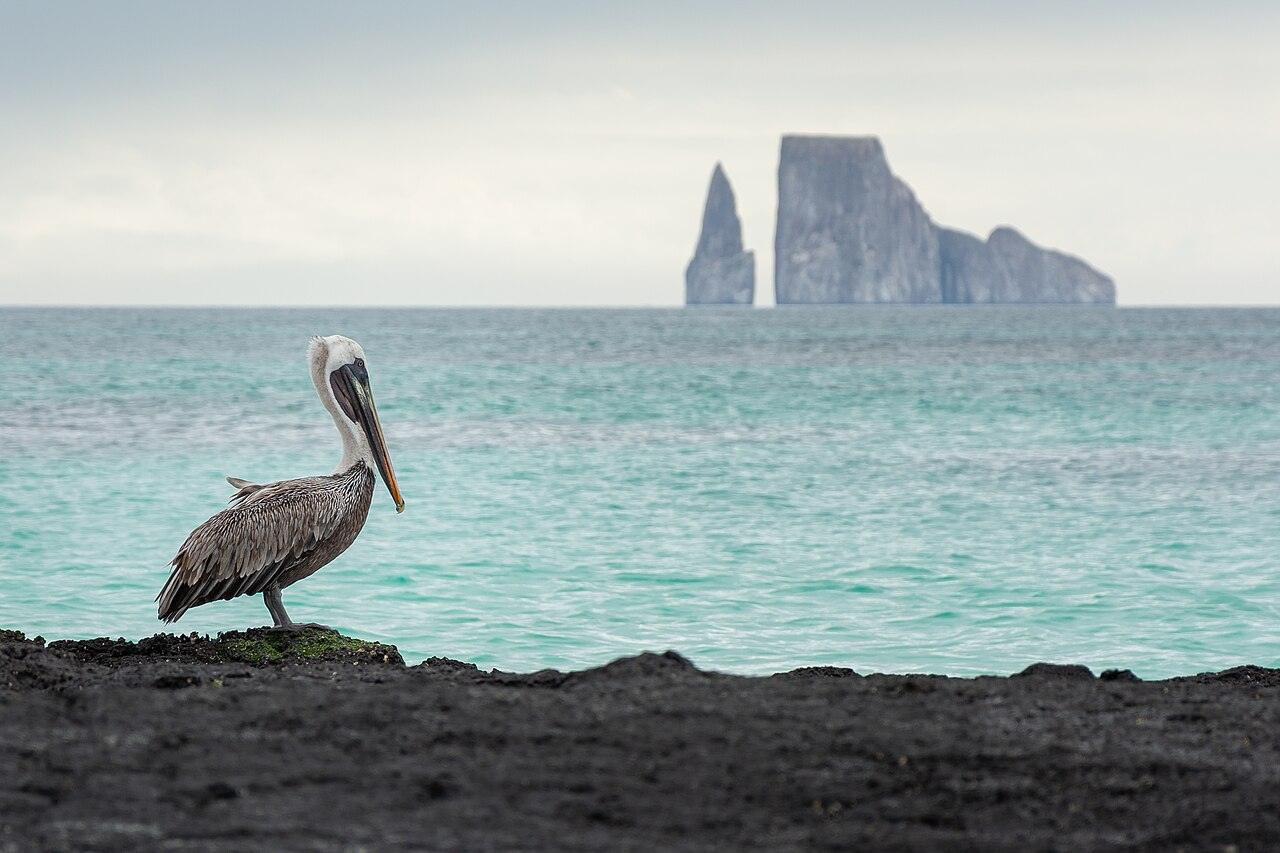
Galápagos by cruise
A five-day cruise between the islands: giant tortoises, marine iguanas, boobies and snorkelling with sea lions.
 15 daysModerate
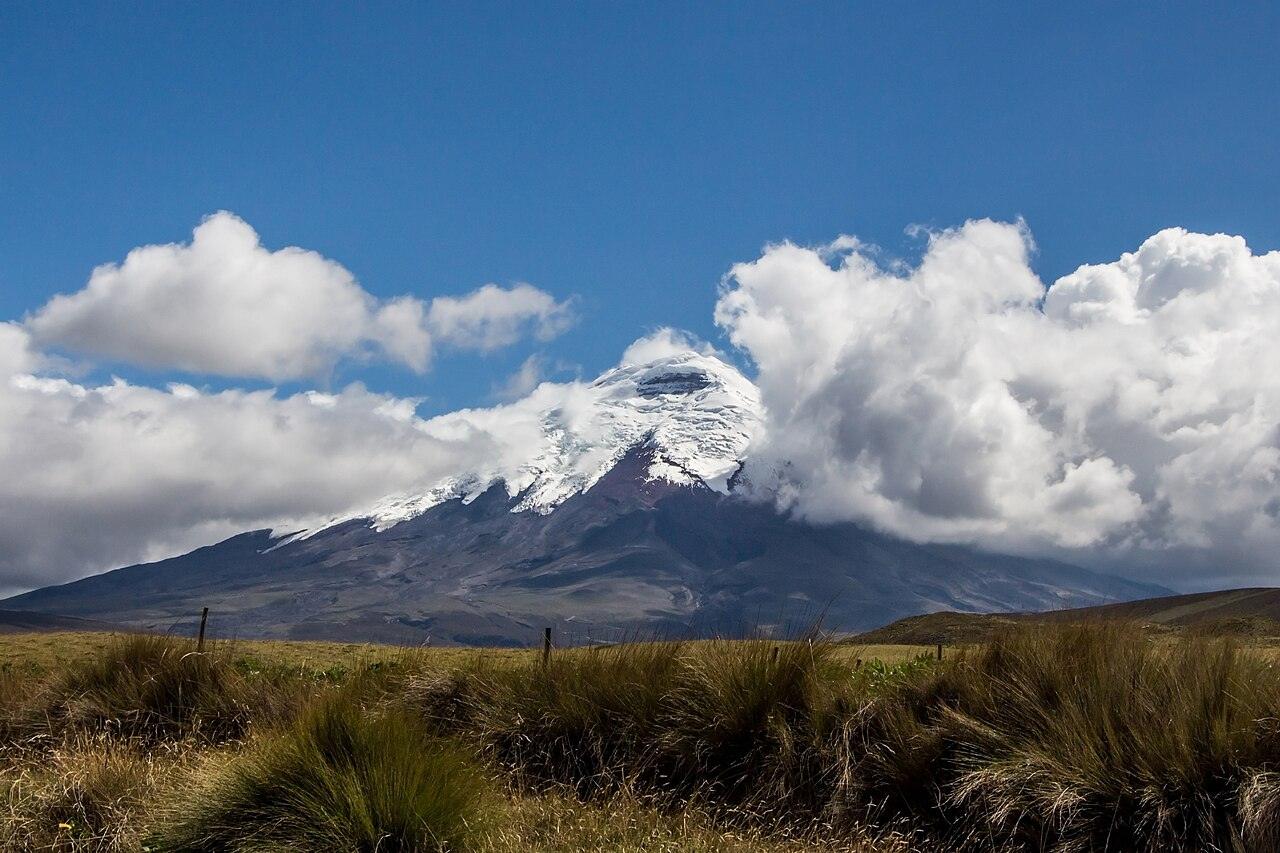
Andes, Amazon and Galápagos
Three worlds in two weeks: the volcanoes of Cotopaxi and Quilotoa, the Amazon rainforest and the Galápagos.
 17 daysModerate
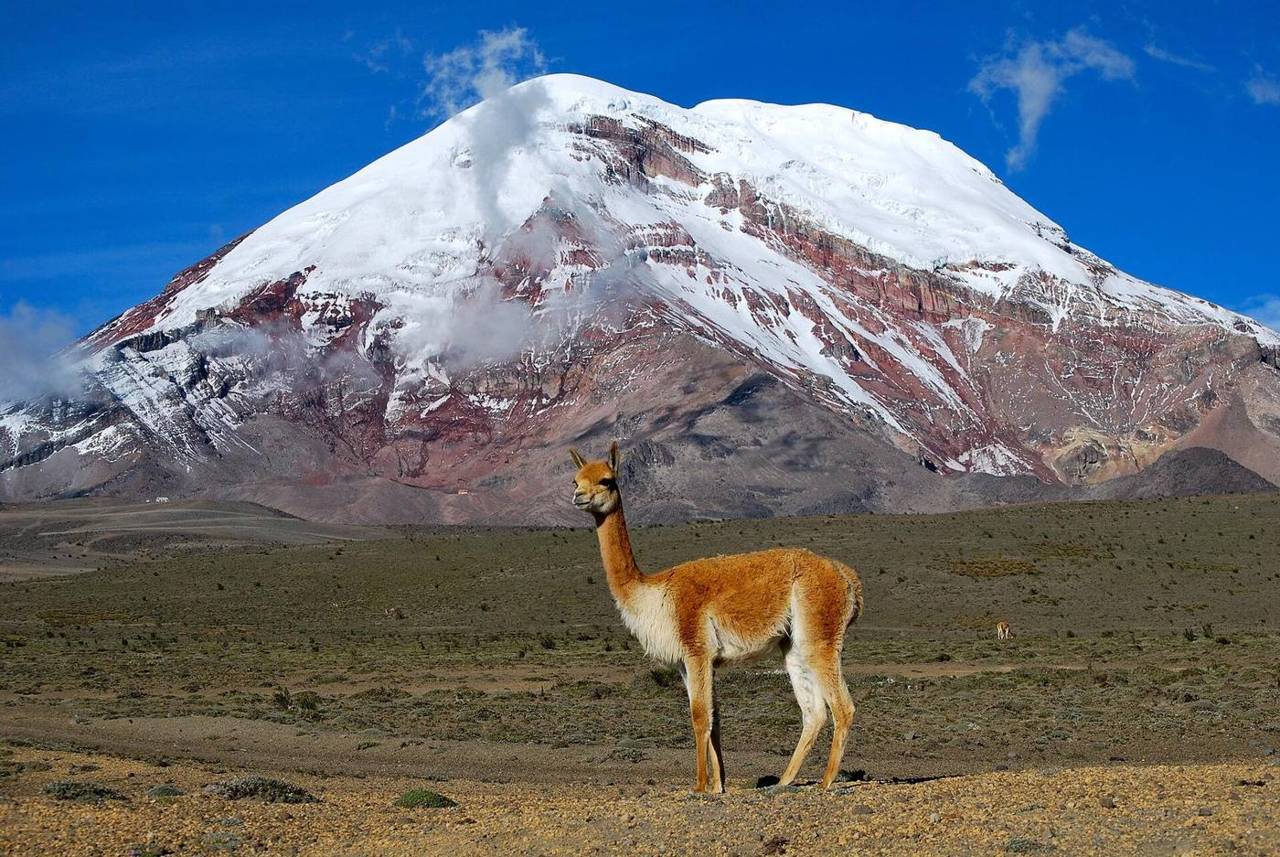
Ecuador: volcanoes, the Amazon and indigenous peoples
The Avenue of the Volcanoes with Cotopaxi and Chimborazo, indigenous markets, the descent into the Amazon along the rivers and the coast at Guayaquil.