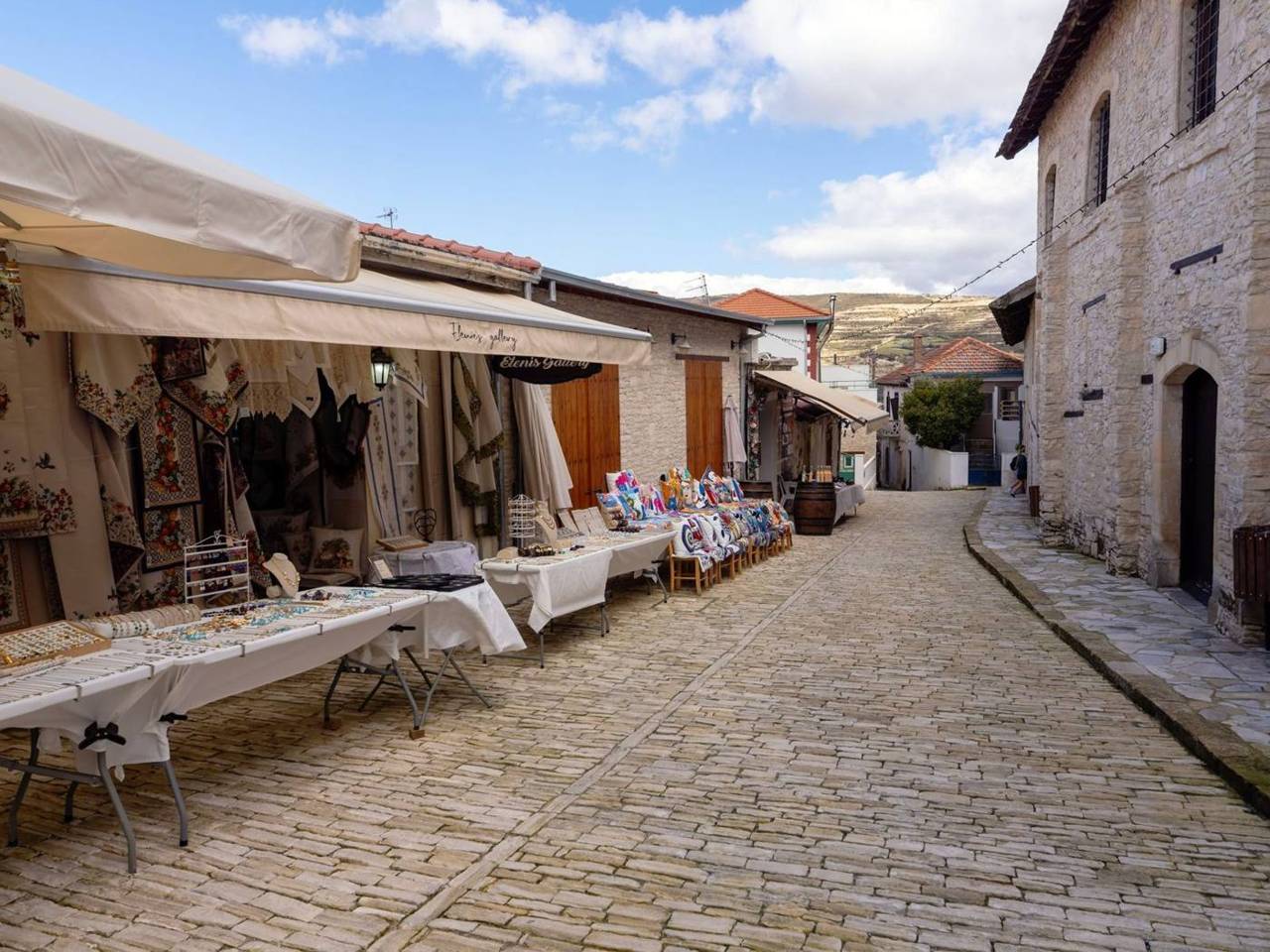
The wine routes
The krasochoria, the wine villages on the Troodos slopes: native Xynisteri and Maratheftiko grapes, Commandaria, one of the world's oldest wines, and village meze.
- Limassol
- Vouni Panagias
- Omodos
- Lofou
- Kalo Chorio
Day by day
- Day 1
From Limassol to the wineries of Vouni Panagias
This trip takes you among the krasochoria, the wine villages on the slopes of the Troodos mountains in southern Cyprus. You taste the native grapes, white Xynisteri and red Maratheftiko, and Commandaria, a sweet wine among the oldest in the world, with village meze. You start from Limassol and travel by car, with a driver who does not drink.
Before you go: Italian citizens can enter Cyprus with an electronic identity card or a passport. Cyprus is in the EU but not in the Schengen area, so documents are checked on arrival. Other nationalities should check their own rules. The currency is the euro. You drive on the left. This trip stays in the Republic of Cyprus; to go north, cross only at official crossing points, with separate car insurance. From April to October the risk of forest fires is high: never light fires.
From Limassol drive north-west for about an hour and a half, first through the hills and then on mountain roads, to the Vouni Panagias plateau in the Paphos district. It is one of the highest vineyard areas on the island, with terraced rows of vines, scattered villages and pine woods all around. The cool of the altitude gives fragrant white wines.
Visit one or two wineries in the area, which you should contact in advance. Taste Xynisteri, the most widespread white grape in Cyprus, and Maratheftiko, the most highly regarded native red. In the nearby village of Panagia you can see the birthplace of Archbishop Makarios, the first president of the Republic. Check times.
Sleep in a village in the area or around Platres.
Practical tip: email or phone the small wineries a day or two ahead; many open by appointment only and may be closed at weekends.
- Day 2
Omodos and the stone village of Lofou
Today you go down the southern side of the Troodos, into the most famous wine area on the island, between Omodos and Lofou.
In the morning you reach Omodos, about an hour by road from the Vouni Panagias area. It is the best known of the wine villages: stone houses with wooden balconies, paved lanes and a large square around the Monastery of the Holy Cross. Go into the monastery and then look for the linos, the old press where grapes were trodden by foot. In the village houses you can taste local wine and zivania, a spirit made from grape pomace. Check times.
For lunch try village meze: a long series of small dishes with hummus, tahini, olives, grilled halloumi, pork sausages cured in red wine, meatballs and seasonal vegetables.
In the afternoon continue for about half an hour south-east to Lofou, a stone village perched on a hill among vines and carob trees. Many houses have been carefully restored, with dry-stone walls and wooden doors. Climb to the church at the top of the village and look at the valley running down towards the sea at Limassol. Lofou is much quieter than Omodos, and at sunset the stones take on a warm colour.
Sleep in Lofou or a nearby village.
Practical tip: arrive in Omodos early, before the excursion coaches, and leave the car in the car parks at the entrance to the village; the centre can only be explored on foot.
- Day 3
The Commandaria area at Kalo Chorio and Zoopigi
The third day is devoted to Commandaria, the most famous sweet wine of Cyprus. It is made in a group of villages defined by law, in the hills north of Limassol.
Commandaria is made from two local grapes, white Xynisteri and black Mavro. The bunches are left to dry in the sun for a few days and then pressed; the wine ferments and ages for a long time in barrels. The result is a dense, amber wine with notes of honey, dried fruit and caramel. The name comes from the Grand Commandery of the Knights of St John, who in the Middle Ages had their seat at Kolossi Castle and produced this wine for export.
In the morning drive east from Lofou, on narrow roads through the hills, to Kalo Chorio, about half an hour away. Visit a winery that makes Commandaria and ask to see where the grapes are laid out. Then continue to Zoopigi, a nearby village in a valley with vines, almond and olive trees. Walk among the houses and to the village church.
In the afternoon, if it is harvest time, from late August to October depending on the grape, you can see bunches drying in the sun on the terraces. Taste Commandaria with a piece of mature cheese or with carob sweets.
Sleep in the Kalo Chorio or Agios Mamas area.
Practical tip: Commandaria is strong and sweet; taste it last, after the dry wines, and buy it directly at the winery if you want to take a bottle home.
- Day 4
Kolossi Castle and back to Limassol
On the last day you come down from the hills towards the sea. From Kalo Chorio to Limassol takes about forty minutes.
Before entering the city, with a detour of about a quarter of an hour to the west, visit Kolossi Castle, the square fifteenth-century tower where the Knights of St John managed their vineyards and sugar cane fields. Climb the stairs to the roof to see the plain and, beside the tower, the remains of the medieval sugar mill. Check prices and times.
Then return to Limassol. Walk through the old town around the medieval castle and along the old port, where the former wine stores and harbour warehouses now house bars and shops. On the Molos seafront you find palm trees and open-air sculptures.
Trip summary: in four days you got to know the wines of Cyprus, climbing first to the high vineyards of Vouni Panagias, then to Omodos and the stone village of Lofou, then to the Commandaria area at Kalo Chorio and Zoopigi, ending at Kolossi Castle, where the fame of this wine began. It is a little-known food and wine trip, quiet and enjoyable.
When to go: September and October for the harvest, with grapes drying in the sun; April to June for green landscapes and cool weather. In July and August it is very hot and many wineries slow down.
Practical tip: if you want to taste every day without worrying, book a driver for the winery days instead of driving yourself.
A little-known, enjoyable food and wine trip. You need a driver or a car with a non-drinking driver. Small wineries should be contacted before visiting.
Before you go
- Documents and visa
- EU citizens need a valid identity card or passport: Cyprus is in the EU but not in the Schengen area, so documents are checked on arrival. Enter only through Larnaca or Paphos airports or the ports of Limassol and Larnaca: arriving via Ercan airport or northern ports is illegal under the law of the Republic of Cyprus. Traffic drives on the left. Other nationalities should check their own rules.
- Health and vaccines
- No vaccines required. EU citizens can use public healthcare with their EHIC; insurance with medical cover and repatriation is still advised. Emergencies: 112.
- Money and payments
- Euro. Cards are accepted almost everywhere; carry some cash in mountain villages.
- Power sockets
- Type G, 240 volts: the same plugs as in the UK.
- Time zone
- Eastern European Time (UTC+2, summer UTC+3).
- Safety
- A safe country with low crime. The UN buffer zone divides the island: cross only at official crossing points, such as Ledra Street and Ledra Palace in Nicosia, showing an identity card or passport; crossing elsewhere is illegal and dangerous, partly because of minefields. Do not take photos in the buffer zone or near military sites. Cars hired in the south usually have no insurance cover in the north: buy separate cover, sold at some crossing points. Wildfire risk is high from April to October. Official advice: GOV.UK.
Information checked in November 2026 for Italian and EU citizens. Rules change: always check before you travel.
Variations
In 3 days: Omodos, Lofou and the Commandaria area, without going up to Vouni Panagias.
In 6 days: add two days in the Troodos mountains, with Kykkos Monastery and the painted churches.
Frequently asked questions
Do I need to book winery visits?
Yes, for small wineries it is best to get in touch a day or two ahead: many open by appointment only. Check prices and times for tastings.
What is Commandaria?
It is a sweet Cypriot wine made from Xynisteri and Mavro grapes dried in the sun. It is produced in a group of villages in the hills north of Limassol, and its name comes from the Commandery of the Knights of St John.
Can I do this trip by car?
Yes, but you need a driver who does not drink, because drink-driving limits in Cyprus are strict. Otherwise book a driver for the winery days.
Indicative itinerary written by World Atlas. Before booking, check timetables, seasonal openings, documents and safety.
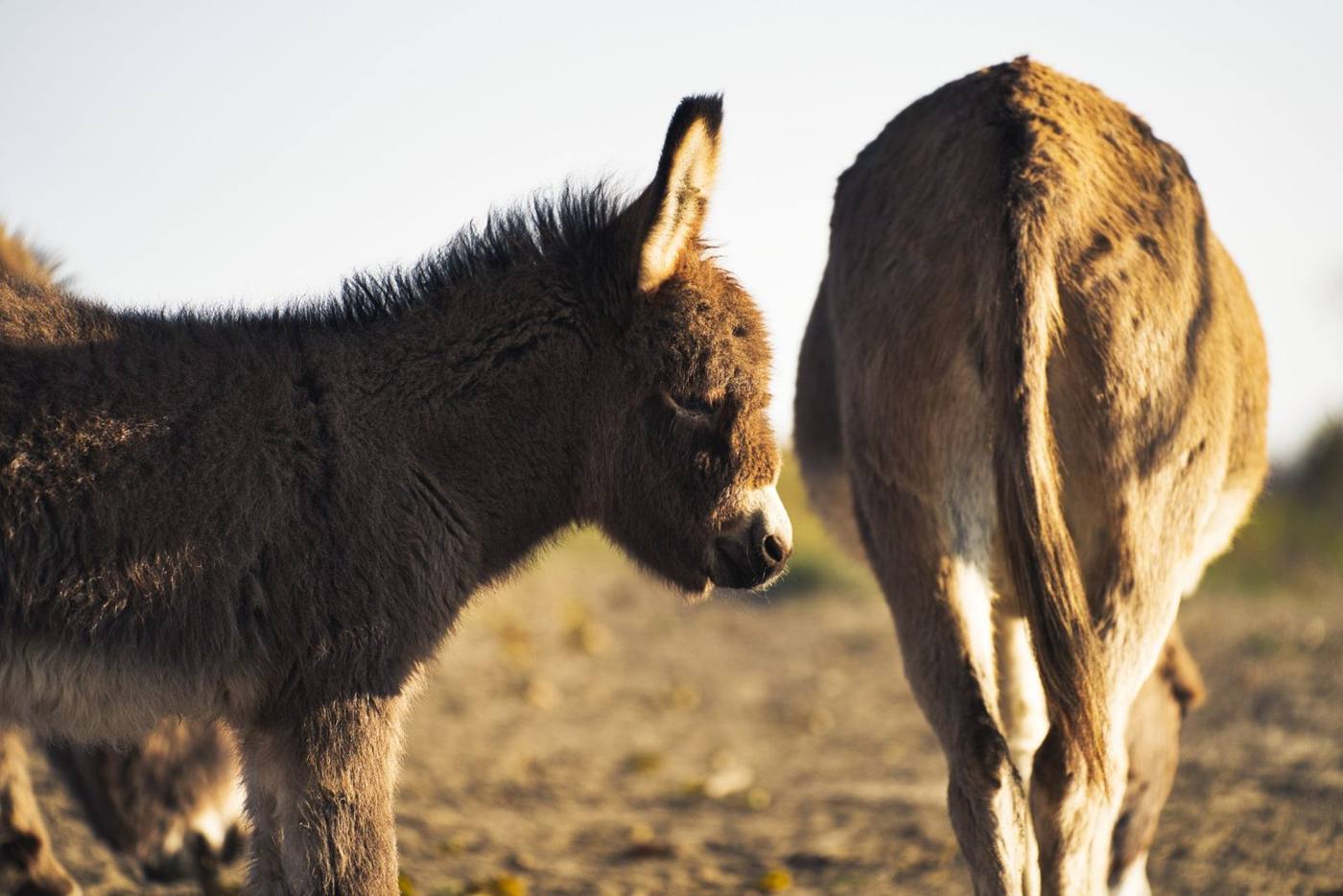 4 daysEasy
The Karpas peninsula
The 'panhandle' of Cyprus in the north: wild donkeys, Golden Beach where turtles nest, the Apostolos Andreas monastery and abandoned churches.
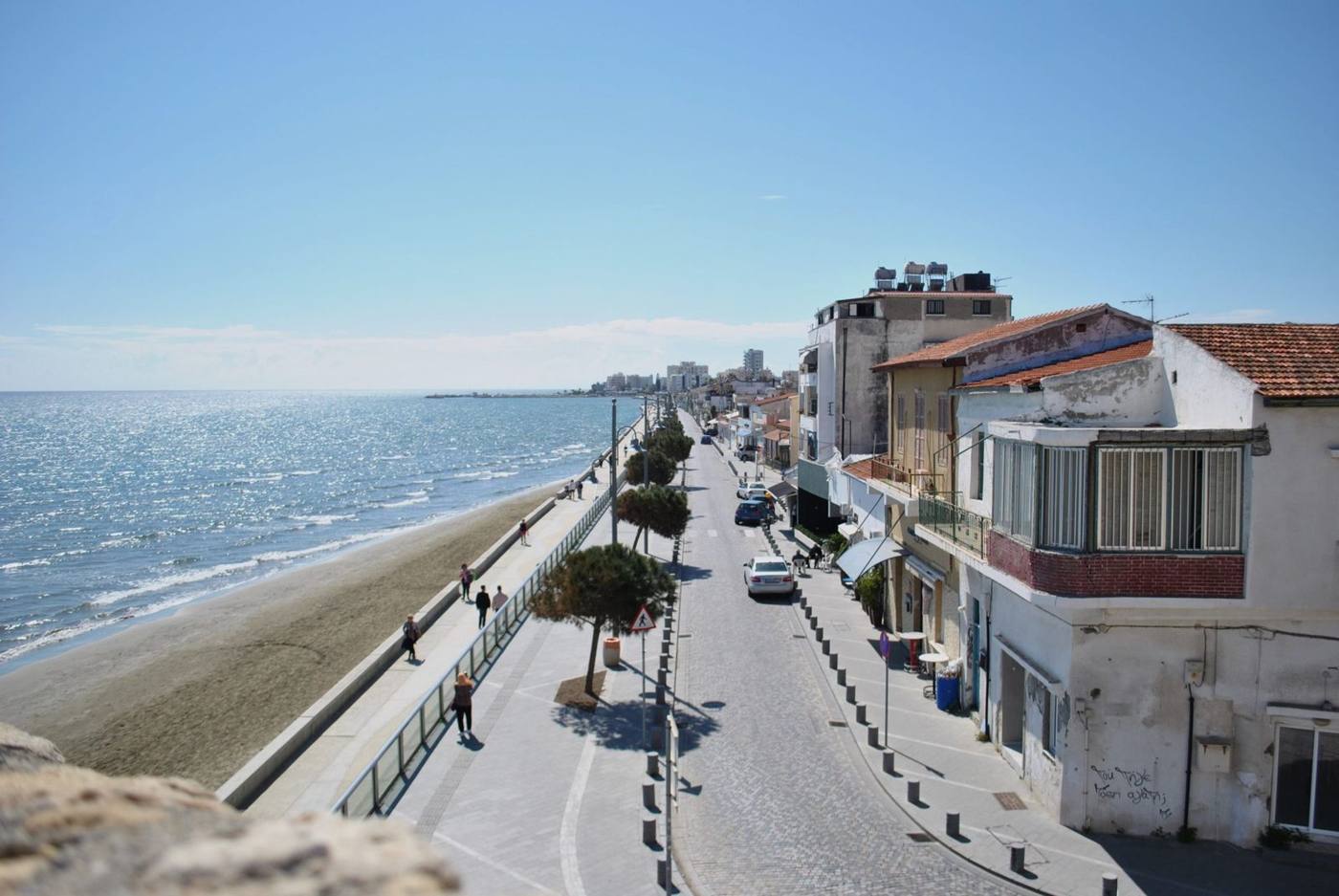 4 daysModerate
Diving the Zenobia
The Swedish ferry Zenobia, sunk in 1980 off Larnaca, one of the world's most famous wrecks, with trucks still in the hold, and the caves of Cape Greco.
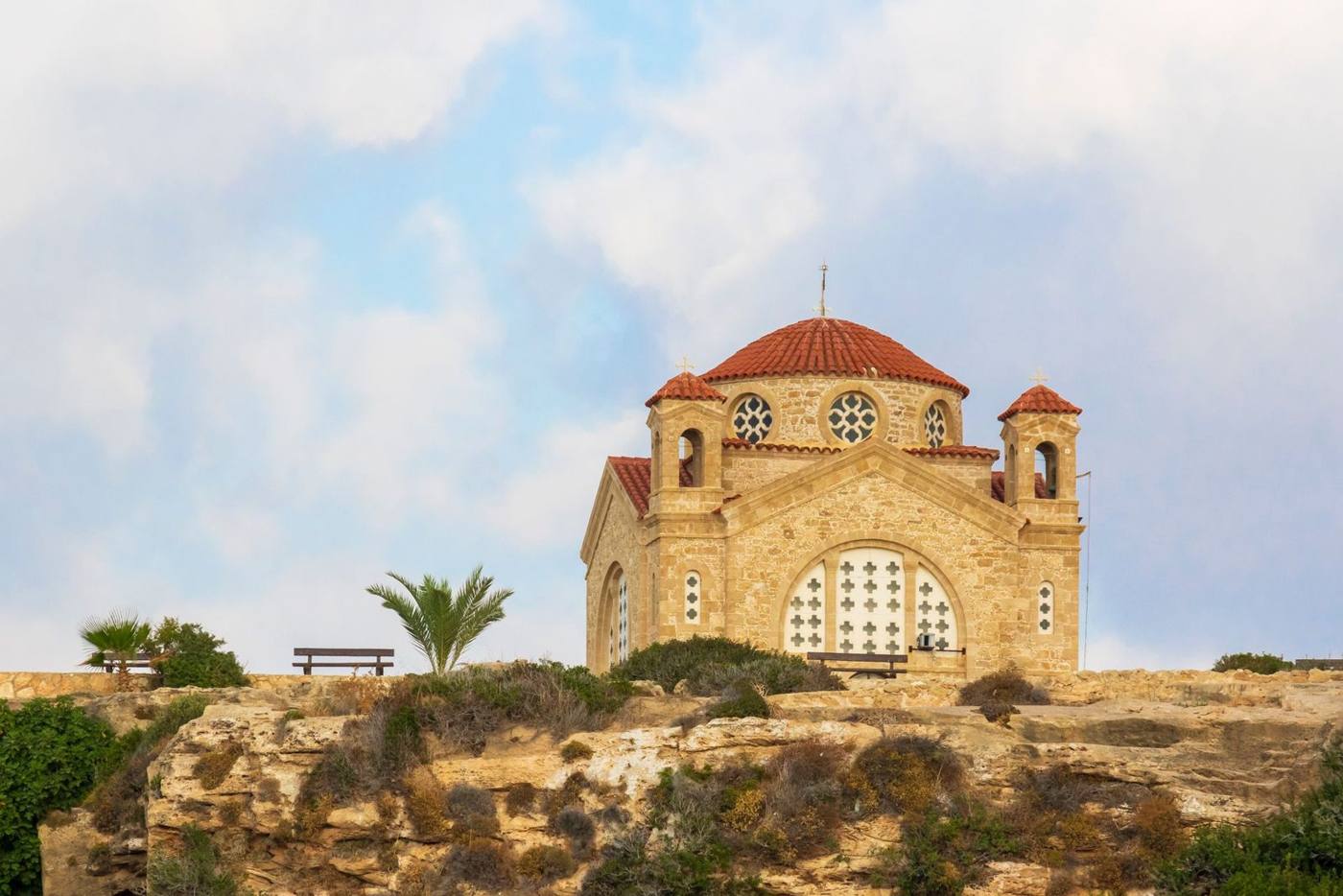 4 daysEasy
Easter and Orthodox villages
Orthodox Holy Week in the villages, the Easter-night bonfire, flaounes pastries and the fields of orchids and anemones of the Cypriot spring.