Mompox, the town on the river
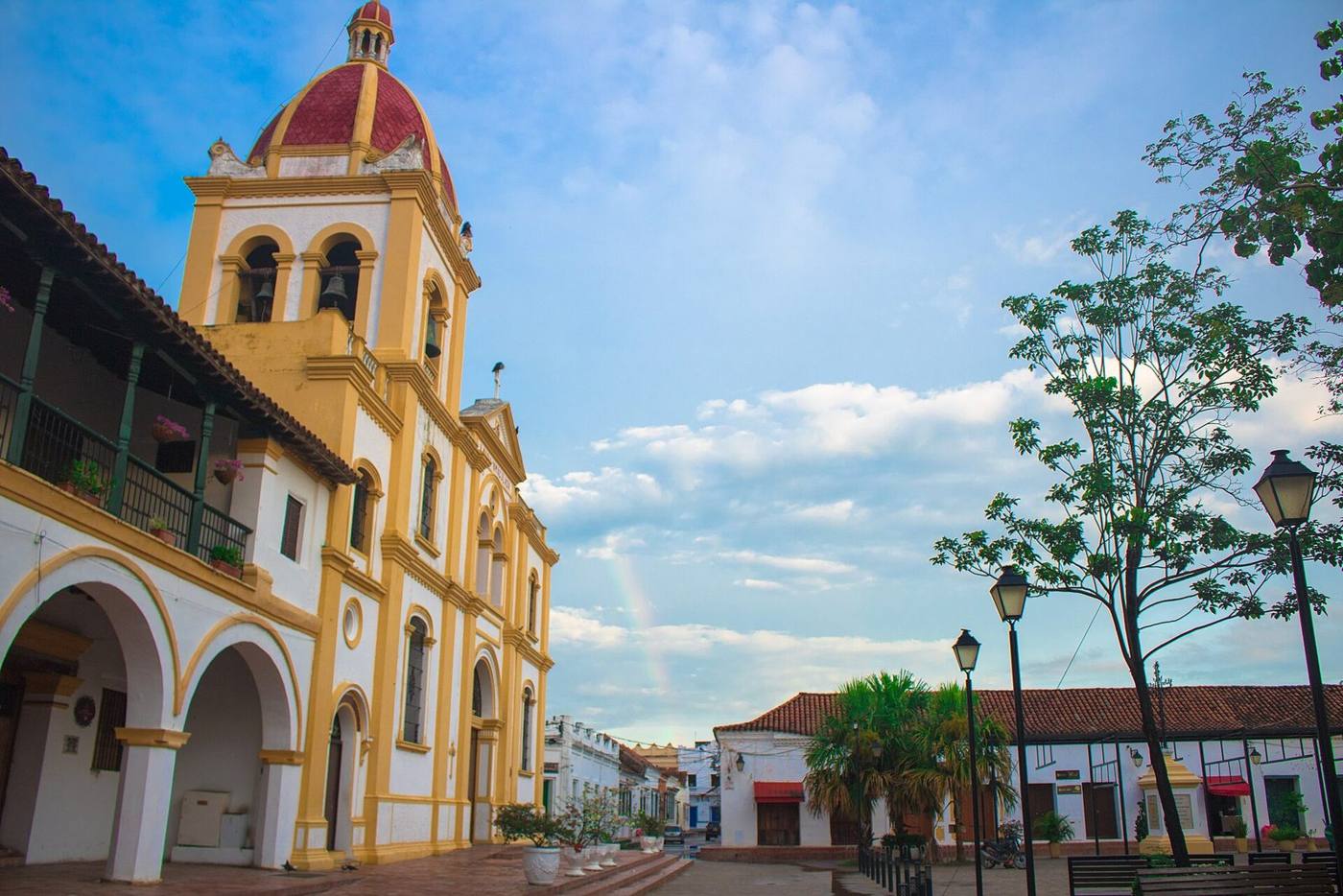
The colonial town frozen in time on a branch of the Magdalena River, a UNESCO site: yellow-painted churches, houses with wrought-iron grilles, silver filigree workshops, the Holy Week processions and a dawn boat trip through the Ciénaga de Pijiño wetlands.
- Cartagena
- Mompox
- Ciénaga de Pijiño
Day by day
- Day 1
From Cartagena to Mompox by road
To enter Colombia you need a valid passport; EU citizens need no visa for tourist stays of up to ninety days, but must complete the online Check-MIG form in the days before departure. Check the rules for your nationality.
Santa Cruz de Mompox, known simply as Mompox or Mompós, is a colonial town on a branch of the great Magdalena River in inland northern Colombia, among swamps, lagoons and plains. Founded in 1540, for two centuries it was a very rich port through which goods and gold passed between the Caribbean coast and the interior, and where coins were minted. When the river changed course at the end of the nineteenth century, ships stopped coming and the town was left isolated, as if asleep: that is why its colonial centre survives almost intact and is a UNESCO World Heritage site. Many say it inspired the villages in Gabriel García Márquez's novels.
In the morning leave Cartagena early by car with a driver, by minibus or with a door-to-door service. The journey takes about five or six hours across the plains and cattle ranches of Bolívar; a new bridge over the river has made the road faster than before.
In the afternoon, on arrival, rest somewhere cool, as Mompox is very hot and humid all year. Towards sunset walk along the Albarrada, the riverfront, with low colonial houses with large barred windows and rocking chairs in front of the doors, where locals sit in the evening chatting as the heat fades.
In the evening try queso de capa, a layered cheese typical of Mompox, and suero, a sour cream.
Practical tip: bring light clothes, a hat and plenty of water; in the middle of the day the temperature often exceeds thirty-five degrees.
- Day 2
The churches, the riverfront and the filigree workshops
Early in the morning, before the heat, visit the colonial churches facing the river and squares. The most famous is the church of Santa Bárbara, from the seventeenth century, painted yellow, with an octagonal tower decorated with balconies, palms and carved lions, unique in Colombia. Then visit the church of San Agustín, which keeps the statues carried in the Holy Week processions, and the church of the Immaculate Conception on the main square. Mompox's Holy Week is one of the oldest and most solemn in the country, with night processions crossing the town for days.
Then walk along the Calle Real del Medio, the main street, with colourful houses, wooden doors and inner courtyards full of plants. Visit the house of culture and the museum of religious art, with colonial silver and paintings. Simón Bolívar stayed in Mompox several times; it was among the first towns to declare independence in 1810 and supplied many soldiers to his army, and the Liberator said he owed his glory to Mompox.
In the afternoon visit one of the filigree workshops, the town's most famous craft: Mompox goldsmiths work gold and silver into very fine threads, woven by hand into earrings, necklaces and brooches as light as lace, with techniques handed down for centuries. You see the whole process, from melting the metal to weaving the threads with pliers.
In the evening dine on the square and try traditional sweets made with fruit and milk.
Practical tip: buy filigree directly from workshops; always ask whether a piece is gold, silver or plated.
- Day 3
A dawn boat trip in the Ciénaga de Pijiño and the monumental cemetery
Before dawn take a boat with a local guide to explore the swamps and channels around Mompox as far as the Ciénaga de Pijiño, a large lagoon surrounded by tropical vegetation. At dawn nature wakes up: you see white and grey herons, kingfishers, cormorants, anhingas, the northern screamer, a large grey marsh bird with a small head and a loud call, found only in northern Colombia and Venezuela, and sometimes howler monkeys in the trees and iguanas sunning on branches. You pass fishing villages on the banks, with wooden houses and canoes, and women washing clothes in the river. The trip takes about three or four hours.
In the afternoon, as the heat eases, visit the monumental cemetery of Mompox, one of the most atmospheric in Colombia, with white tombs, chapels, statues of angels and palms. Many figures from the town's history are buried here, and the cemetery is also famous for the cats living among the graves, looked after by the caretaker. During Holy Week, on the night of Maundy Thursday, families light the graves with candles and sing for their dead.
Then take a last walk in town, on the Concepción square and along the river, where at sunset the sky turns pink and orange above the water.
In the evening, at weekends, there is sometimes live traditional music, such as cumbia and bullerengue, born in the river and coastal regions.
Practical tip: bring mosquito repellent and a light jacket for the dawn boat trip, when the air is still cool.
- Day 4
Back to Cartagena
Early in the morning, after a last coffee by the river, set off back to Cartagena, about five or six hours by road. If you have arranged the trip with a driver, you can stop along the way in villages and markets of the region to see rural life on the Caribbean plains, with cattle ranches, rice fields and lagoons.
Alternatively, those heading to other parts of Colombia can travel from Mompox to Santa Marta on the coast or to Barranquilla, or take a flight from Valledupar or other nearby cities, arranging the transfer with a driver.
In the afternoon, on arrival in Cartagena, if you still have time, walk on the old city walls at sunset, with the Caribbean sea breeze, very different from the humid heat of the river. Or visit the Getsemaní district, with its murals and little squares lively in the evening.
Cartagena's international airport has flights to Bogotá, Medellín and several cities in North America and Europe with connections.
Things to take home: Mompox filigree jewellery, wooden and wicker rocking chairs, traditional sweets, Colombian coffee, Wayuu mochila bags and vueltiao hats.
Practical tip: travel the region's roads by day and use known drivers or transport services. Check your government's travel advice before leaving.
Mompox is far from everything: about six hours by road from Cartagena, and the heat is intense all year. During Holy Week accommodation sells out months ahead. EU citizens enter without a visa for up to 90 days with a passport and must fill in the Check-MIG migration form online before the flight. The US keeps Colombia at level 3 and advises against all travel to Arauca, Cauca (except Popayán), Valle del Cauca (except Cali), Norte de Santander and the 10 km strip along the Venezuelan border: this itinerary stays outside those areas.
Before you go
- Documents and visa
- Valid passport; no visa for tourism up to 90 days for EU citizens. Before the flight, between 72 hours and one hour before departure, you fill in the no-cost Check-MIG form online.
- Health and vaccines
- No compulsory vaccines arriving from Europe; yellow fever is recommended for forest areas and some parks. Protect yourself against mosquitoes because of dengue. In Bogotá, at 2,600 metres, the altitude is noticeable. Emergencies: 123.
- Money and payments
- Colombian peso. Cards work in cities; use cash machines inside banks or shopping centres, by day.
- Power sockets
- Types A and B, 110 volts: you need an adapter and devices must accept 110 volts.
- Time zone
- UTC-5 all year: Colombia does not use daylight saving time.
- Safety
- The United States rates Colombia level 3 for crime and terrorism, with level 4 for Arauca, Cauca except Popayán, Valle del Cauca except Cali, Norte de Santander and 10 km from the Venezuelan border. Use app taxis and never accept drinks from strangers. Official advice: GOV.UK.
Information checked in November 2026 for Italian and EU citizens. Rules change: always check before you travel.
Variations
In 3 days: arrival and riverfront on day one, churches and filigree on day two, the dawn boat and return on day three.
In 8 days: combine with Cartagena, the Rosario Islands and the coast of Santa Marta and Tayrona Park.
Frequently asked questions
What do I need to enter Colombia?
A valid passport and the online Check-MIG form in the days before departure; EU citizens need no visa for tourism up to ninety days.
How do I get to Mompox?
By car with a driver or a transport service from Cartagena, about five or six hours; there is no airport with regular flights in town.
When is the best time for Mompox?
It is hot all year; the driest months are December to March. Holy Week is the most atmospheric time, but you need to book well ahead.
Indicative itinerary written by World Atlas. Before booking, check timetables, seasonal openings, documents and safety.
 6 daysEasy
San Andrés and Providencia
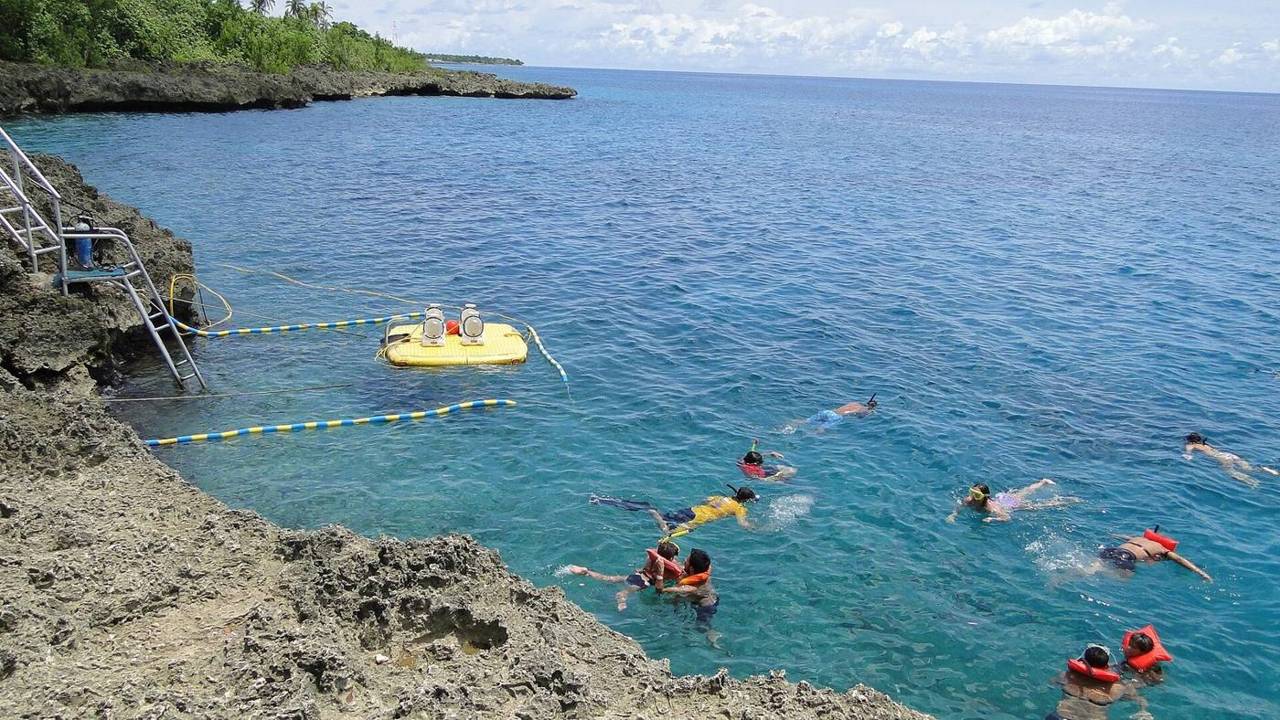
Colombia's Caribbean islands, closer to Nicaragua than to Bogotá: the sea of seven colours around San Andrés, Johnny Cay and the natural aquarium, then Providencia, a quiet island of Raizal culture, with its barrier reef and McBean Lagoon marine park.
 5 daysEasy
Santander: Barichara, San Gil and the Chicamocha canyon
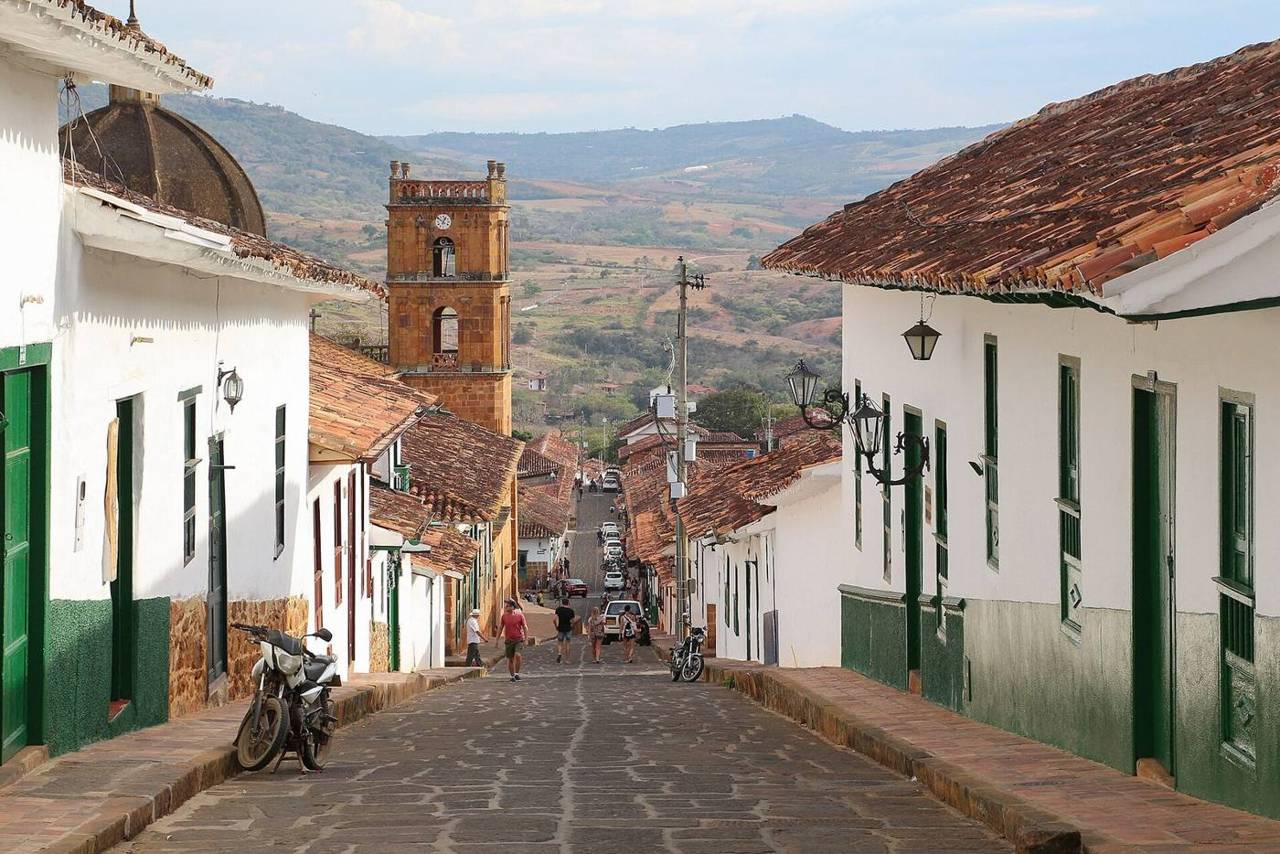
The adventure department: Barichara, perhaps the country's most beautiful colonial village, the Camino Real on foot to Guane, rafting and the Juan Curí falls around San Gil, and the cable car over the Chicamocha canyon, one of the deepest in South America.
 4 daysModerate
Caño Cristales, the river of five colours
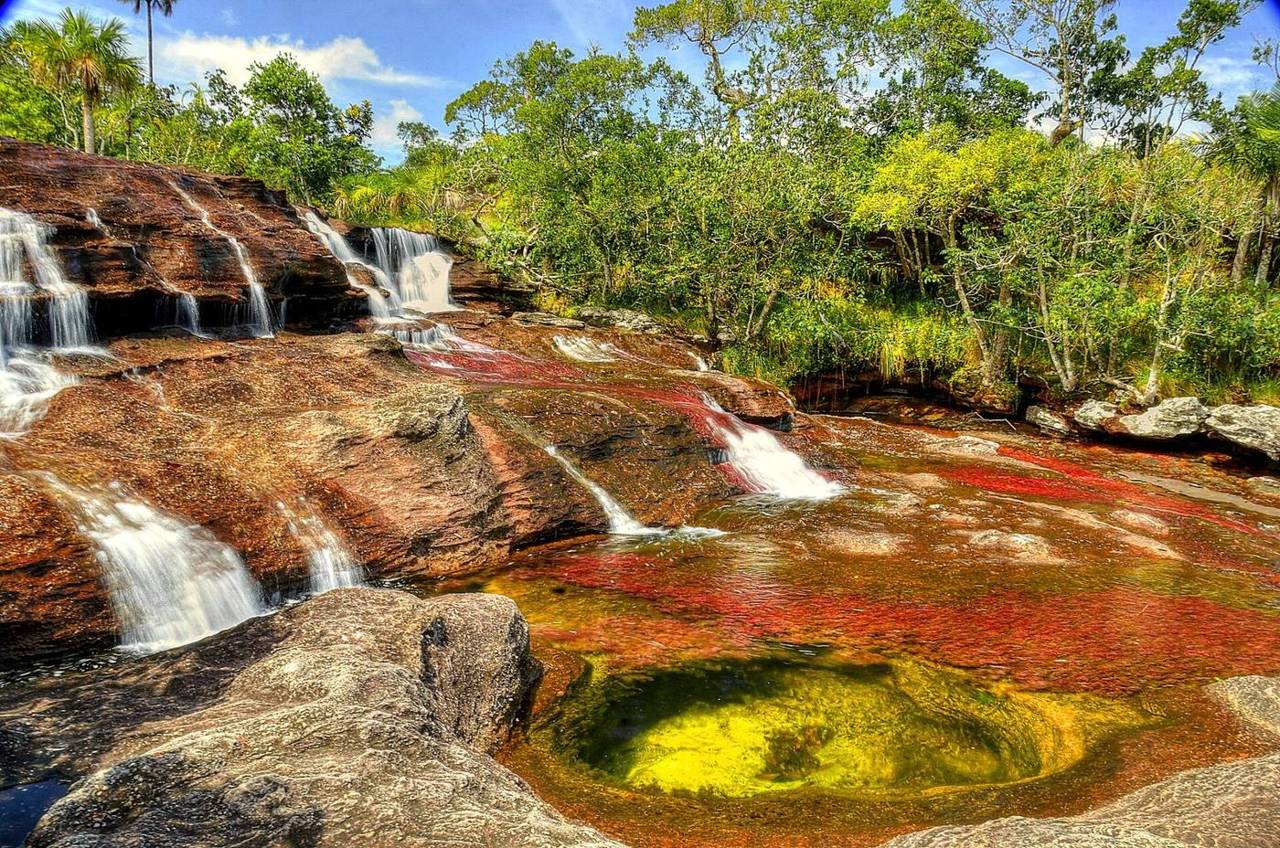
In the Serranía de La Macarena an aquatic plant turns the riverbed red, pink and purple between yellow rocks, green water and blue sky: reached by plane and on foot with local guides, among waterfalls, pools and savannah trails.