Cartagena and the Rosario Islands
The finest walled city in the Caribbean, the Getsemaní district, San Basilio de Palenque and two days at sea in the Rosario Islands.
- Cartagena
- Getsemaní
- San Basilio de Palenque
- Islas del Rosario
- Cartagena
Day by day
- Day 1
Arrival in Cartagena and the walled city
EU citizens enter Colombia without a visa for tourism for up to ninety days. Before the flight, between seventy-two hours and one hour before departure, you must fill in the Check-MIG form online on the official Migración Colombia website: it is at no cost, so beware of sites that charge for it.
Cartagena de Indias, on the Caribbean coast, was founded by the Spanish in 1533 and became one of the empire's most important ports, shipping gold and silver to Spain. To defend it from pirates and enemy fleets it was surrounded by eleven kilometres of walls. The port, fortresses and historic centre are a UNESCO World Heritage site.
From the airport, a few kilometres away, a taxi reaches the centre in a quarter of an hour. To stay, choose the walled city, called the Ciudad Amurallada, or the Getsemaní district just outside the walls, which is livelier.
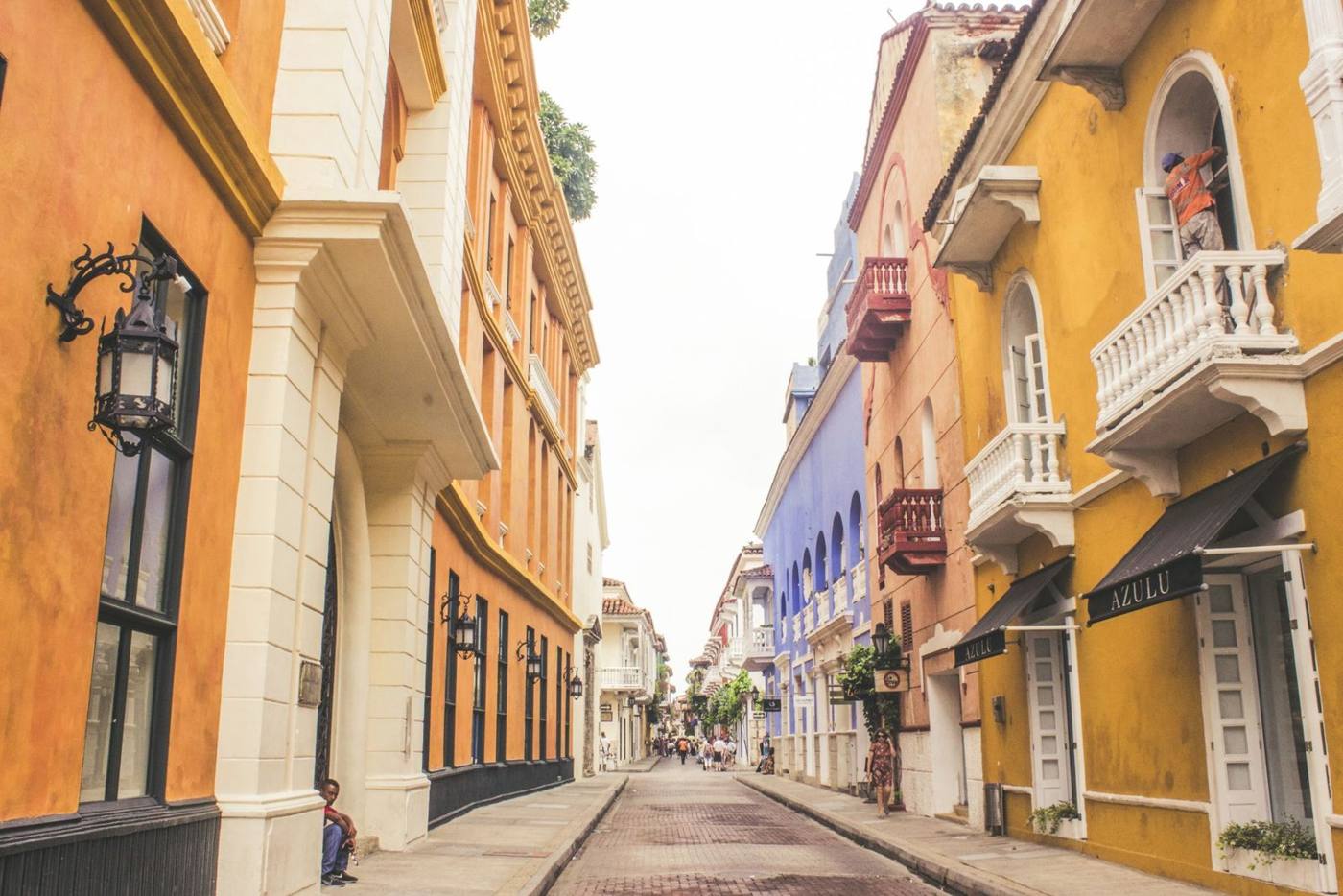
In the late afternoon walk through the walled city, with colonial houses whose wooden balconies are covered in bougainvillea, squares and churches. Enter through the Torre del Reloj, the main gate, and reach Plaza de los Coches and Plaza de Bolívar. At sunset climb the walls near the Santo Domingo bastion to watch the sun set over the Caribbean.
Practical tip: heat and humidity are strong all year; go out early in the morning and late in the afternoon, and rest in the middle of the day.
- Day 2
The walled city and San Felipe Castle
Early in the morning, while the streets are still quiet, visit the church and convent of San Pedro Claver, dedicated to the Jesuit who in the seventeenth century cared for the African slaves brought to Cartagena's port; the saint is buried beneath the altar. Nearby, the Palace of the Inquisition, a colonial building with a baroque doorway, houses a museum on the city's history and the Inquisition tribunal, with the instruments used in interrogations.
Stroll through the quieter San Diego district, with its small squares and colourful houses, and Plaza de Santo Domingo, with the reclining woman sculpture by Fernando Botero, the great Colombian artist. The no-cost Zenú Gold Museum displays jewellery and objects of the Indigenous cultures of the Caribbean coast.
In the afternoon go to the Castillo de San Felipe de Barajas, the largest fortress built by the Spanish in the Americas, on a hill just outside the city. A maze of underground tunnels, ramps and bastions let soldiers defend themselves and move unseen. From the top you see the whole city and the bay.
In the evening, coastal cooking in Cartagena means fried fish with coconut rice and patacones, fried slices of plantain.
Practical tip: many street sellers offer tours, hats and photos; a polite, firm no is enough. Always agree the taxi fare before getting in.
- Day 3
Getsemaní and San Basilio de Palenque
In the morning go to San Basilio de Palenque, about an hour and a half from Cartagena, on an organised tour with local guides. Palenque is considered the first no-cost village in the Americas: it was founded in the early seventeenth century by escaped African slaves led by Benkos Biohó, who resisted the Spanish for decades until their freedom was recognised. The inhabitants keep their own language, Palenquero, born from Spanish and African languages, as well as music, dances, funeral rites and traditional medicine. The cultural space of Palenque is on UNESCO's list of the Intangible Cultural Heritage of Humanity.
With the guide you visit the square with the statue of Benkos Biohó and the house of culture, listen to the drums and learn the story of the palenqueras, the women who sell fruit in Cartagena in colourful dresses with baskets on their heads. Pay the guide and local artists: community tourism supports the village.
In the afternoon return to Cartagena and walk around Getsemaní, once a working-class district and now full of murals, umbrellas hung above the streets, small cafés and bars. In the evening Plaza de la Trinidad, in front of the church, fills with people, musicians and street dancers.
Practical tip: in Getsemaní and the walled city at night stay on lit, busy streets, and never accept offers of drugs: it is illegal and dangerous.
- Day 4
The Rosario Islands
Today is a trip to the Rosario Islands, an archipelago of small coral islands about an hour by boat from Cartagena, in the Corales del Rosario y de San Bernardo National Natural Park, which protects one of the most important reefs on Colombia's Caribbean coast.
Boats leave in the morning from the La Bodeguita pier near the walled city, where a port tax is paid. Choose a reputable, licensed operator with life jackets for everyone: very low prices often mean crowded, unsafe boats. The sea can be rough on the crossing, especially between December and March, when the trade winds blow.
On the islands the sea is turquoise and calm, with white sand beaches and mangroves. Snorkel over the reef among tropical fish, starfish and corals. Some excursions visit the Oceanarium, an aquarium on the island of San Martín de Pajarales, with Caribbean marine species.
Alternatively, Playa Blanca beach on Barú island can also be reached by road, but it is very crowded and full of vendors.
Practical tip: do not touch or stand on the corals, do not feed the fish and use reef-safe sunscreen. Carry cash in Colombian pesos, because cards are often not accepted on the islands.
- Day 5
A night on the islands and glowing plankton
Today stay on the Rosario Islands or Barú, sleeping in a small place by the water, to experience the islands after the day trips have left. In the morning, with the sea calm, snorkel or dive with a licensed centre, or kayak through the mangroves, home to herons, crabs and small fish.
In the afternoon relax on the beach in the shade of the palms, or visit the small fishing villages of Barú, with colourful houses and wooden boats.
In the evening, on moonless nights, join a trip to see bioluminescent plankton in a lagoon among the mangroves near Barú or Isla Grande. In the dark, moving your hands or legs in the water lights up a blue and green glow produced by tiny marine organisms: a magical experience. It is best seen without moon or artificial light, and is done with local guides, by boat or swimming in shallow water.
To protect the plankton, do not apply sunscreen or repellent before entering the water, and do not use torches or your phone flash.
Practical tip: fresh water and electricity are limited on the islands; use them carefully. Against mosquitoes, in the evening wear long, light-coloured clothes and carry repellent to use on land.
- Day 6
Back to Cartagena and departure
In the morning return to Cartagena by boat, when the sea is calmest in the early hours. If you have time before your flight, visit the Convento de la Popa on the city's highest hill, about twenty minutes by taxi: a seventeenth-century monastery with a flowered cloister and views over all of Cartagena, the bay and the walled city.
Alternatively stroll along Bocagrande beach, with its modern high-rises, or take a last walk in the walled city, buying traditional sweets at the Portal de los Dulces under the arcades of Plaza de los Coches: coconut cocadas and sweets of tamarind, milk and fruit.
Things to take home: Colombian coffee, chocolate, the sombrero vueltiao, the coast's traditional hat woven from caña flecha, Wayuu mochilas, colourful bags hand-woven by Wayuu women, bought from sellers who ensure fair pay, and emeralds only from authorised shops with a certificate.
Practical tip: the US State Department rates Colombia at level 3, reconsider travel, because of crime and terrorism in some regions: Cartagena is one of the most touristic areas, but normal big-city precautions apply. Reach the airport at least three hours before international flights. Before leaving, check your flight times again, as they sometimes change.
The easiest and most romantic side of Colombia. Cartagena is beautiful but touristy and expensive, with persistent vendors in the centre. Avoid Playa Blanca on Barú at weekends, it is packed: a night out on the Rosario Islands is much better. It is hot and humid all year.
Before you go
- Documents and visa
- Valid passport; no visa for tourism up to 90 days for EU citizens. Before the flight, between 72 hours and one hour before departure, you fill in the no-cost Check-MIG form online.
- Health and vaccines
- No compulsory vaccines arriving from Europe; yellow fever is recommended for forest areas and some parks. Protect yourself against mosquitoes because of dengue. In Bogotá, at 2,600 metres, the altitude is noticeable. Emergencies: 123.
- Money and payments
- Colombian peso. Cards work in cities; use cash machines inside banks or shopping centres, by day.
- Power sockets
- Types A and B, 110 volts: you need an adapter and devices must accept 110 volts.
- Time zone
- UTC-5 all year: Colombia does not use daylight saving time.
- Safety
- The United States rates Colombia level 3 for crime and terrorism, with level 4 for Arauca, Cauca except Popayán, Valle del Cauca except Cali, Norte de Santander and 10 km from the Venezuelan border. Use app taxis and never accept drinks from strangers. Official advice: GOV.UK.
Information checked in November 2026 for Italian and EU citizens. Rules change: always check before you travel.
Variations
In 4 days: the walled city and San Felipe Castle, Getsemaní and a day trip to the Rosario Islands, skipping Palenque and the night on the islands.
In 10 days: after Cartagena add Santa Marta and Tayrona Park, or the coffee region and the Cocora Valley.
Frequently asked questions
Do I need a visa for Colombia?
No: EU citizens enter without a visa for tourism for up to ninety days. Before the flight, between seventy-two hours and one hour before departure, you must fill in the no-cost Check-MIG form online on the Migración Colombia website.
Is Cartagena safe?
It is one of Colombia's most touristic cities, but big-city precautions apply: at night stay in busy areas, do not display valuables and use taxis booked through apps or hotels.
When can you see the glowing plankton?
On moonless or nearly moonless nights, in a lagoon among the mangroves near Barú or Isla Grande, with local guides. Do not apply creams or repellent before entering the water.
Indicative itinerary written by World Atlas. Before booking, check timetables, seasonal openings, documents and safety.
 6 daysEasy
The coffee region and the Cocora Valley
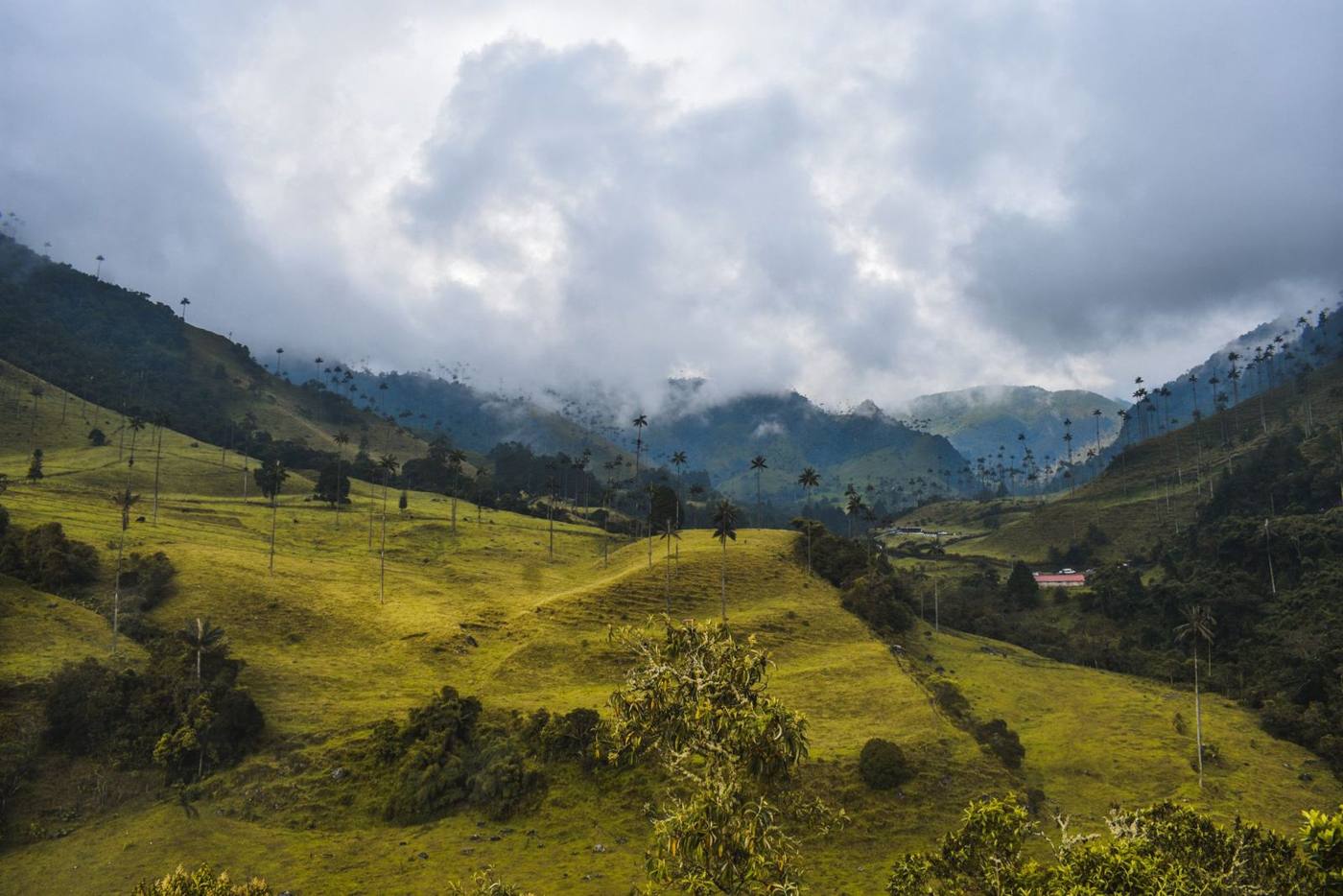
Coffee farms between Salento and Filandia, the sixty-metre wax palms of the Cocora Valley and the Santa Rosa hot springs.
 7 daysChallenging
Trek to the Ciudad Perdida
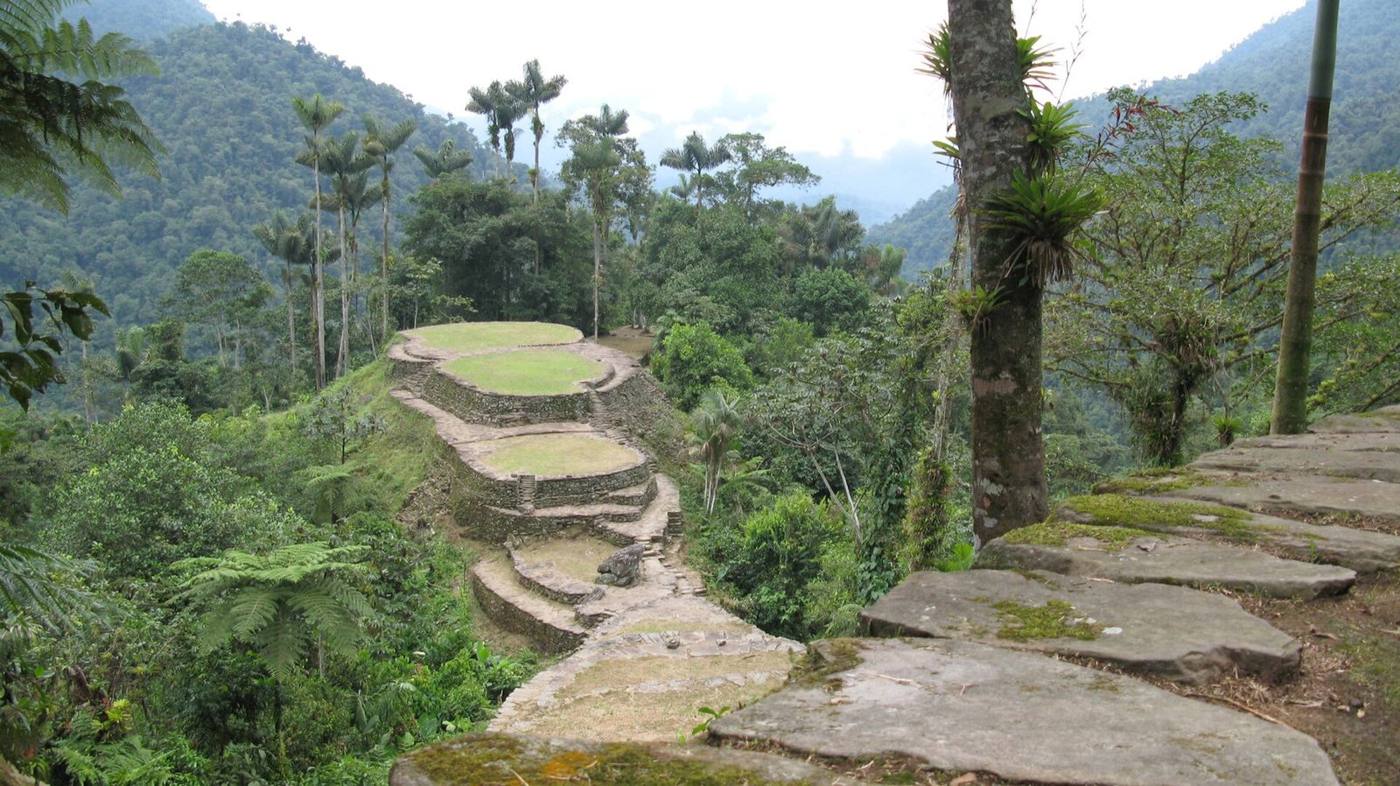
Four days on foot in the Sierra Nevada de Santa Marta, fording rivers and passing Kogi villages, to the lost city of the Tayrona.
 7 daysEasy
Tayrona, Minca and Palomino
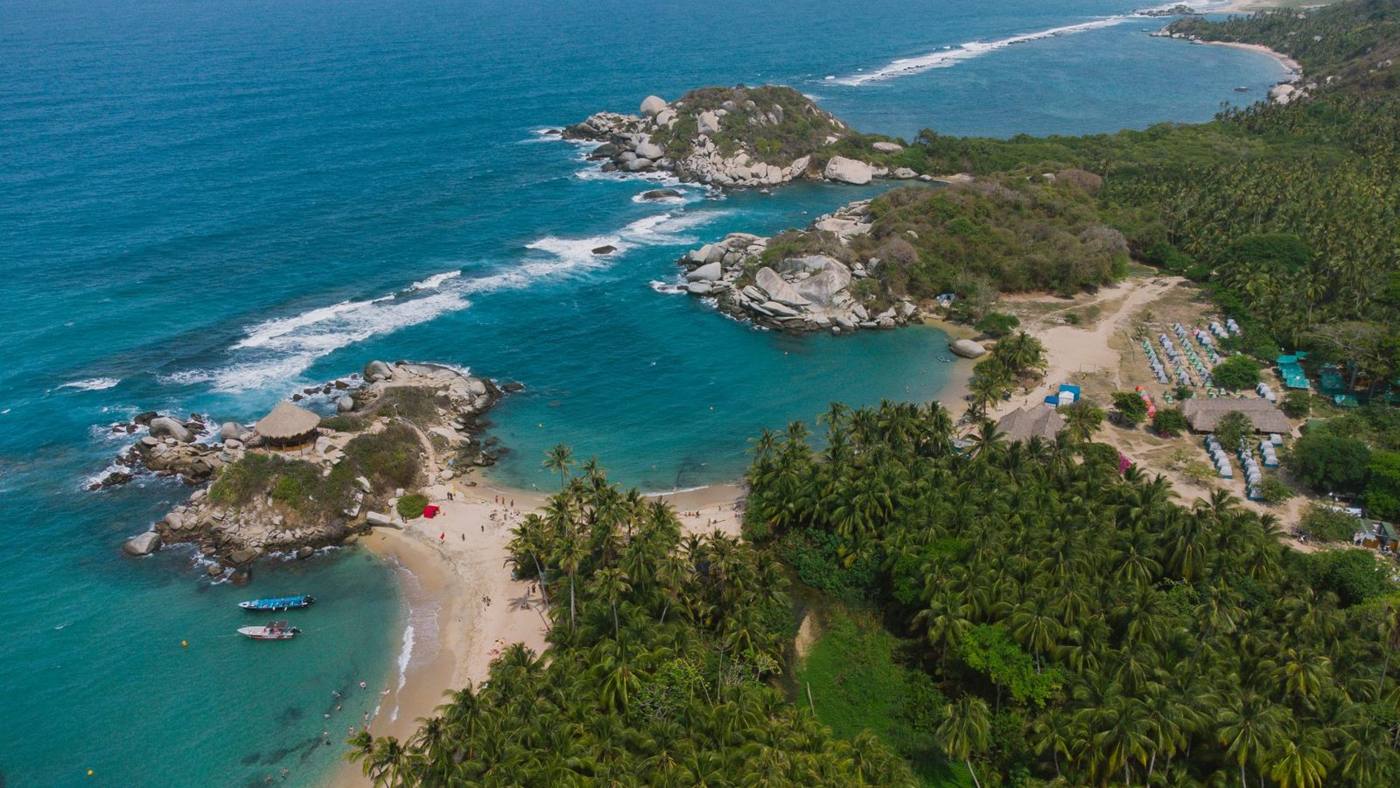
The Caribbean coast below the Sierra Nevada: the jungle beaches of Tayrona park, the waterfalls and coffee of Minca, the river at Palomino.