Serra Gaúcha: wines and canyons
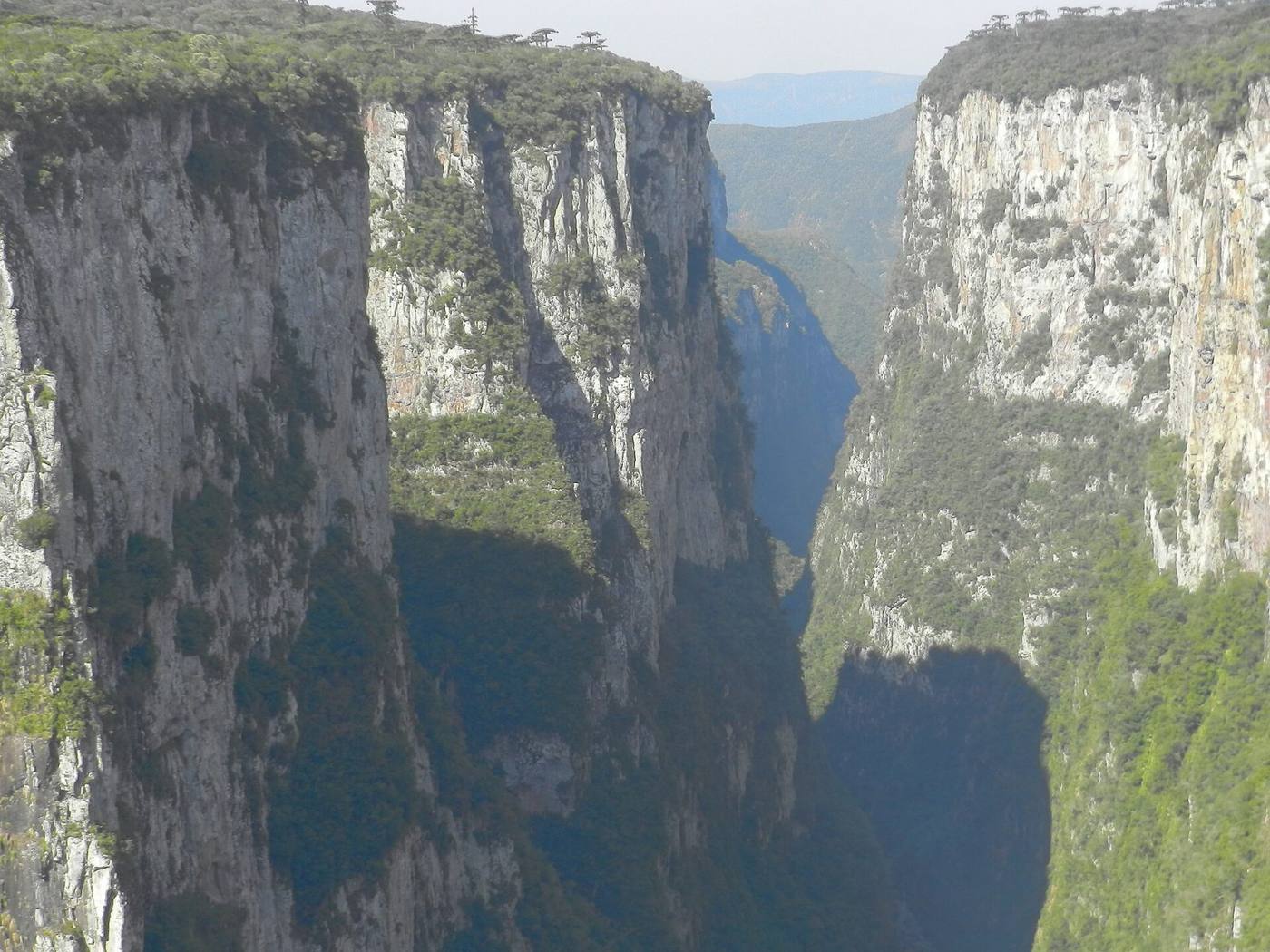
The Brazil of Italian and German immigrants: the wineries of the Vale dos Vinhedos in Bento Gonçalves, Gramado and Canela with the Caracol falls, and the Itaimbezinho and Fortaleza canyons, 700-metre walls opening towards the Atlantic.
- Porto Alegre
- Bento Gonçalves
- Vale dos Vinhedos
- Gramado
- Canela
- Cambará do Sul
Day by day
- Day 1
Porto Alegre: the historic centre and sunset over the Guaíba
This trip takes you to Rio Grande do Sul, Brazil's southernmost state, very different from the Brazil of tropical beaches. Here there are hills covered in vineyards, towns founded by Italian and German immigrants, Alpine style mountain resorts, araucaria forests and some of the most spectacular canyons in South America. In winter, June and July, it can even snow in the mountains.
You arrive in Porto Alegre, the capital, with flights from São Paulo, Rio de Janeiro and other cities, and some international connections. Italian citizens do not need a visa for a tourist trip to Brazil; check the rules for your nationality.
Porto Alegre lies on the Guaíba, a large lake formed by several rivers. On the first day walk around the historic centre: the Mercado Público, a large nineteenth century market with stalls of meat, fish, spices, yerba mate and sweets; Matriz square with the cathedral and the government palace; the Casa de Cultura, in an old hotel, with exhibitions and a terrace.
At sunset go to the lakefront, for example near the old Gasômetro power station, now a cultural centre. The sun setting over the Guaíba is one of the city's symbols.
In the evening have dinner with churrasco, meat grilled over embers and carved at the table, typical of the gaúchos, the people of the south.
Spend the night in Porto Alegre.
Practical tip: the United States has Brazil at level 2. In Porto Alegre, in the evening, do not walk in empty streets in the centre and use taxis ordered through an app. In 2024 the city and region suffered major floods: some areas are still being rebuilt.
- Day 2
Bento Gonçalves and the Valley of the Vineyards
Today you climb into the Serra Gaúcha, the hill country north of Porto Alegre, to Bento Gonçalves, about two hours by road.
In the second half of the nineteenth century thousands of Italian immigrants arrived here, mostly from Veneto, Trentino and Lombardy. They were given forest land, cleared it and planted vineyards as at home. Many residents still speak Talian, a Venetian dialect born here and recognised as part of Brazil's cultural heritage, and eat polenta, salami, cheeses and cappelletti in broth.
The Valley of the Vineyards, near Bento Gonçalves, is Brazil's best known wine area and was the first in the country to receive a designation of origin. Along the roads are dozens of wineries, from small family estates to large ones, with vineyards on the hills, wayside chapels and stone and wooden houses built by the first immigrants.
Spend the day visiting two or three wineries, tasting sparkling wines, the area's speciality, red wines and grape juice. Many wineries also serve lunches of Italian Brazilian dishes.
In the evening stay in a pousada among the vineyards.
Spend the night in the Valley of the Vineyards.
Practical tip: during the harvest, January to March, there are festivals and the valley is very lively. Book winery visits in advance, especially at weekends. If you go to tastings, arrange a driver: drink driving checks in Brazil are strict.
- Day 3
The Maria Fumaça steam train and the immigrant towns
Today you ride the steam train known as Maria Fumaça, an old tourist train linking Bento Gonçalves with the nearby towns of Garibaldi and Carlos Barbosa, through hills, vineyards and over bridges.
The journey is also a show: along the way musicians and actors in costume play and sing Italian and gaúcho songs, and at the stops you taste wines and grape juice. Garibaldi is a town famous for sparkling wine, with a street full of historic houses. Carlos Barbosa is known for cheese and a large cookware factory.
In the afternoon, back in Bento Gonçalves, visit the route called Caminhos de Pedra, a country road lined with stone and wooden houses of the first Italian immigrants, with craft workshops, a cheese house, a winery, a weaving workshop and small museums. It is one of the best places to understand the life of the Venetian families who arrived in the nineteenth century.
In the evening have dinner with the food of the Italian colony: minestrone, grilled polenta, grilled spring chicken and homemade tagliatelle, with local wine.
Spend the night in the Valley of the Vineyards or Bento Gonçalves.
Practical tip: the steam train does not run every day and seats are limited. Check the calendar and book ahead. Times may change with the season.
- Day 4
Gramado: Alpine architecture, chocolate and gardens
Today you go to Gramado, about an hour and a half by road from Bento Gonçalves, one of Brazil's most famous mountain resorts.
Gramado was founded by German and Italian immigrants, and its centre has architecture reminiscent of the Alps: wooden and stone houses with steep roofs, flower filled balconies and clean streets lined with hydrangeas and trees. Brazilians come here for the cool climate, green landscapes and European atmosphere.
Walk along the main street, with artisan chocolate shops, the town's speciality, and cafés serving café colonial, a lavish afternoon spread of sweets, cakes, bread, cold meats and cheeses.
Then visit Lago Negro, surrounded by trees brought from Germany, with pedal boats, and the Lago Joaquina Rita Bier park, with hydrangea gardens.
In November and December Gramado hosts a large Christmas festival, with lights, shows and parades, drawing thousands of visitors. In August there is a film festival.
In the evening have cheese and chocolate fondue, very popular here in the cold months.
Spend the night in Gramado.
Practical tip: Gramado is very touristy and expensive compared with the rest of Brazil, especially at weekends and during the Christmas festival. Book early. In winter nights are cold: bring a heavy sweater and a jacket.
- Day 5
Canela and the Caracol waterfall
Today you visit Canela, the town next to Gramado, a few minutes away, quieter and surrounded by nature.
In the centre of Canela stands the stone, Gothic style Cathedral of Our Lady of Lourdes, with a tall bell tower visible from afar.
The most famous sight is the Caracol waterfall, in the park of the same name just outside town. The water of the Caracol river falls more than a hundred metres into a deep, forest covered gorge in a single white drop. From the viewpoint you see the whole fall. A stairway of hundreds of steps leads down to its foot, with a different view of the water and forest. The park also has a viewing tower with a lift.
In the afternoon take a walk through the araucaria forest, the tall pines of southern Brazil with umbrella shaped branches, or visit one of the adventure parks around Canela, with treetop walkways and zip lines.
In the evening return to Gramado or stay in Canela.
Spend the night in Canela or Gramado.
Practical tip: check the opening times and entry price of the Caracol park. The stairway down to the falls is long and steep: if you have knee or heart problems, stay at the viewpoint. In rainy months the waterfall is more powerful.
- Day 6
Cambará do Sul: Itaimbezinho canyon
Today you go to Cambará do Sul, about two hours by road from Canela, on the edge of the plateau. Here the basalt plateau of the Serra Geral ends abruptly in vertical walls hundreds of metres high, dropping towards the coastal plain and the ocean. This creates enormous canyons, among the most spectacular in South America.
In the morning enter Aparados da Serra National Park and walk along the rim of Itaimbezinho canyon, several kilometres long, with vertical walls more than seven hundred metres high. Two easy trails follow the rim: from the viewpoints you see waterfalls plunging into the void, forest on the canyon floor and hawks flying in the gorge.
In the afternoon, if you have time and are fit, a longer and more demanding trail descends to the canyon floor along the river, but it must be done with a guide.
Around the park the landscape is made of tall grasslands, herds of cattle, araucaria forests and farms raising cattle and making cheese.
In the evening stay in Cambará do Sul, in a country pousada, with the fire lit in the cold months.
Spend the night in Cambará do Sul.
Practical tip: fog often rises from the canyons and can cover everything in minutes. Go early in the morning and check the forecast. Also check the park opening times and entry, which is usually paid.
- Day 7
Fortaleza canyon and the journey home
In the morning go to Fortaleza canyon, in Serra Geral National Park, about twenty kilometres from Cambará do Sul on a dirt road. It is the largest canyon in the area, several kilometres long, with vertical walls hundreds of metres high.
A trail leads to a high point on the rim from which, on clear days, you see the canyon opening towards the coastal plain and, in the distance, the Atlantic Ocean. Another trail leads to the Pedra do Segredo, a large rock balanced on a small base, and to a waterfall.
The landscape is very different from tropical Brazil: wind, grassland, rock and silence. Sometimes you see herds of cattle grazing on the canyon rim. Always stay well back from the edge: there are no railings.
In the afternoon head back to Porto Alegre, about three hours by road, for your flight. Alternatively, you can drive down to the coast and reach Florianópolis, in the state of Santa Catarina, to continue your trip by the sea.
Practical tip: the dirt roads to the canyons can be muddy after rain. If you hire a car, ask whether it is suitable. Allow plenty of time to reach the airport, and remember that domestic flights in Brazil often change times.
Interesting for those of Italian descent: in many towns people still speak Talian, a Venetian dialect. On the canyon rims fog can cover everything within minutes: keep a spare day. In winter (June-August) it can be cold, near zero, and it occasionally snows. A car is needed.
Before you go
- Documents and visa
- Valid passport; no visa for tourism up to 90 days for EU citizens.
- Health and vaccines
- No compulsory vaccines arriving from Europe; yellow fever is recommended for the Amazon and some inland areas. Protect yourself against mosquitoes because of dengue. Emergencies: 190 police, 192 ambulance, 193 fire.
- Money and payments
- Brazilian real. Cards and instant payments are everywhere; carry little cash.
- Power sockets
- Type N, plus C, 127 or 220 volts depending on the city: check the voltage before plugging in devices.
- Time zone
- Rio and São Paulo are UTC-3 all year: Brazil does not use daylight saving time.
- Safety
- The United States rates Brazil level 2 for crime, with level 4 within 160 km of land borders (except Foz do Iguaçu and the Pantanal). No favelas without a community guide. Official advice: GOV.UK.
Information checked in November 2026 for Italian and EU citizens. Rules change: always check before you travel.
Variations
In 4 days: Bento Gonçalves and the Valley of the Vineyards, with Gramado and Canela.
In 10 days: add Florianópolis and the Santa Catarina coast after the canyons.
Frequently asked questions
When is the best time to go?
October to April for mild weather. January and February are harvest time. Winter is cold, with fog and sometimes snow in the mountains.
Do I need a car?
Yes, it is the most convenient way to reach the wineries and canyons. Alternatively there are organised trips from Gramado.
Is it suitable if I do not drink wine?
Yes. Wineries also offer grape juice, and the area has plenty of history, nature and good food.
Indicative itinerary written by World Atlas. Before booking, check timetables, seasonal openings, documents and safety.
 5 daysModerate
Jalapão: dunes and fervedouros
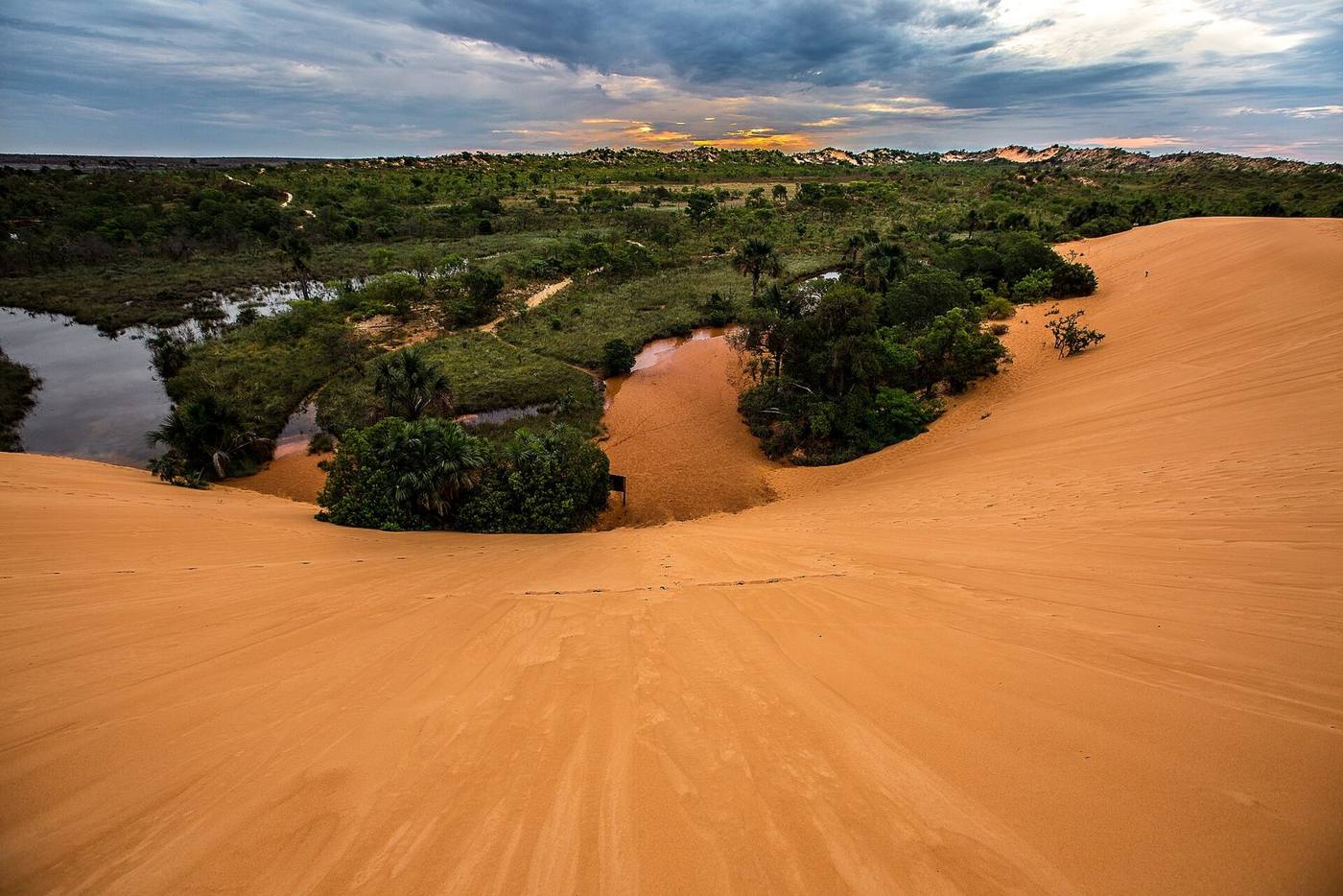
One of Brazil's most remote areas, in Tocantins: orange dunes in the savanna, the fervedouros, spring-fed pools where the sand pushes you up so you cannot sink, waterfalls, the Pedra Furada rock arch and golden grass crafts.
 6 daysModerate
Brasília and the Chapada dos Veadeiros
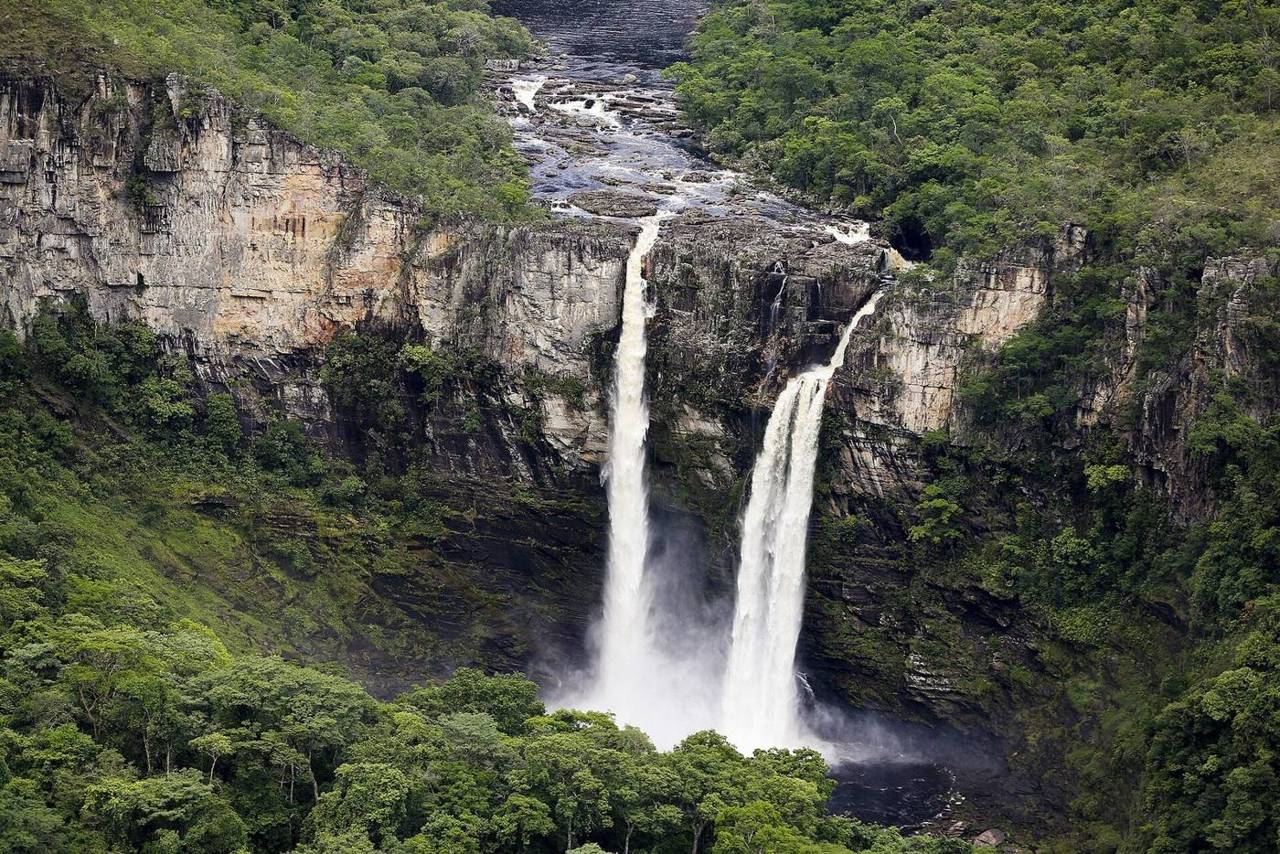
Oscar Niemeyer's modernist capital, a UNESCO World Heritage site, and the Chapada dos Veadeiros plateau in the cerrado, with canyons, waterfalls, quartz rocks and the Valley of the Moon.
 7 daysEasy
Recife, Olinda and the Coral Coast
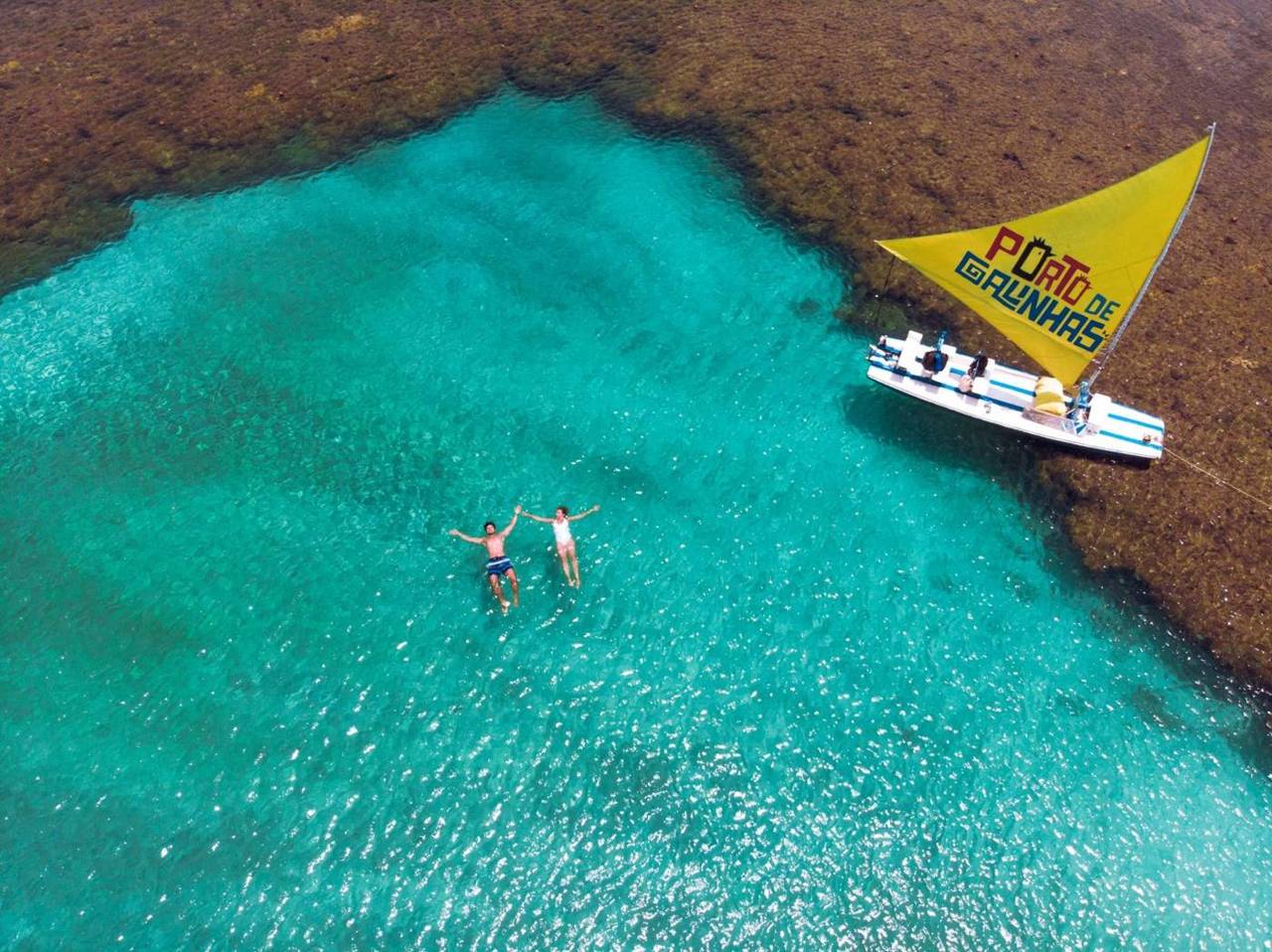
The colonial north-east and the natural pools: Olinda with its baroque churches on the hill, Recife and its bridges, Porto de Galinhas, Maragogi and São Miguel dos Milagres, where at low tide you swim among corals and fish in shallow, clear water.