The Haa valley
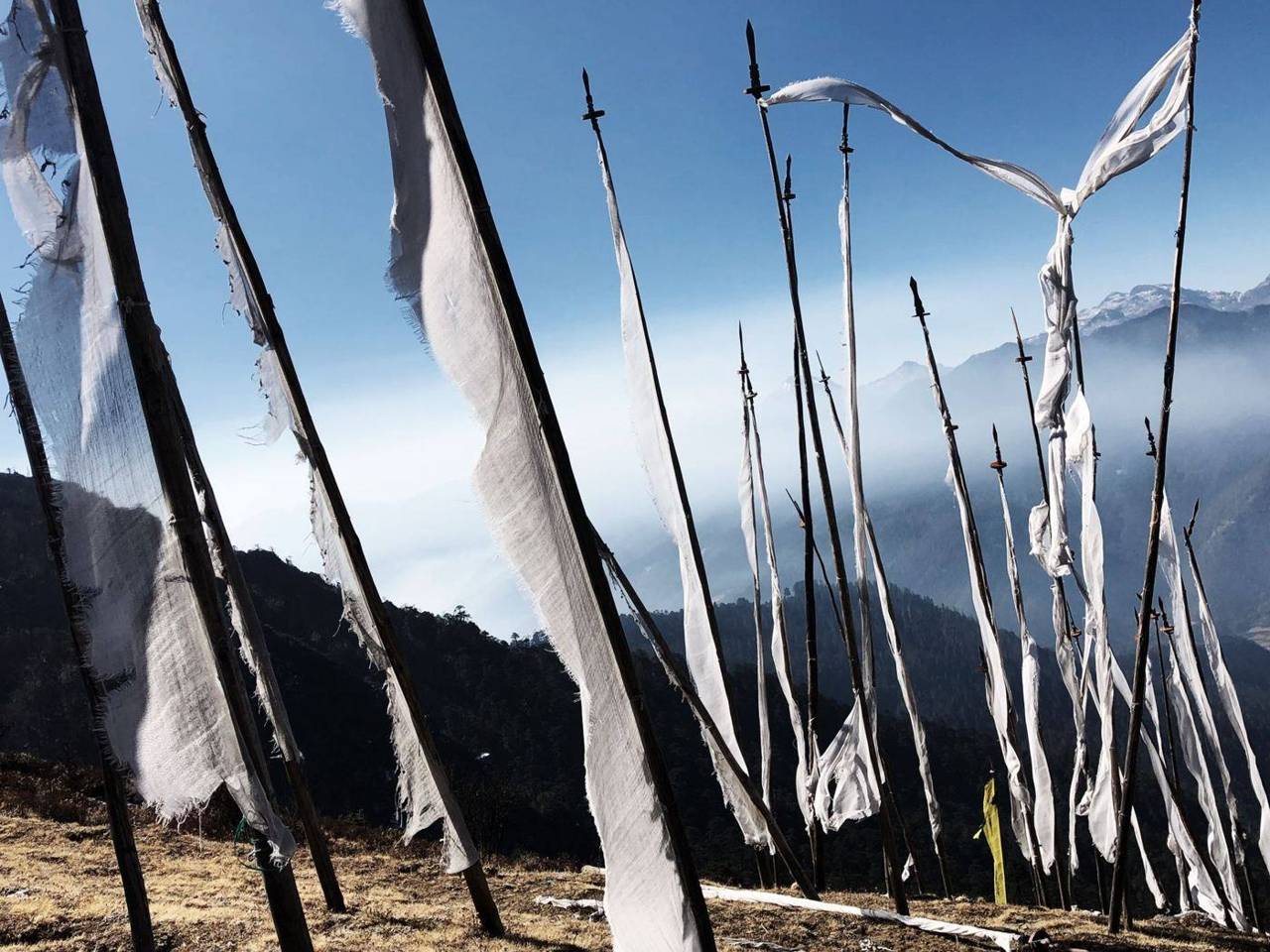
Chele La pass at nearly 4,000 metres with its prayer flags and view of Jomolhari, the Haa valley with its white and black temples and a night in a farmhouse.
- Paro
- Chele La
- Haa
Day by day
- Day 1
Chele La pass and the descent to Haa
This three day trip takes you from Paro to the Haa valley, one of the quietest in Bhutan, opened to tourists only in 2002. You cross Chele La, a pass at almost 4,000 metres covered in prayer flags, visit the white and black temples and sleep in a farmhouse.
Before you go: for Bhutan you need a passport valid for at least six months after you leave the country and a visa, applied for in advance online on the official immigration portal; it costs 40 dollars, non refundable, and is stamped on arrival. For every night you pay the Sustainable Development Fee, the SDF: 100 dollars a night for an adult, 50 for children aged 6 to 11, while children under 6 do not pay; the government has confirmed this rate until 31 December 2029. You must be accompanied at all times by a licensed guide, but you do not have to book through a tour operator: you can arrange certified hotels, a guide and a car yourself. Insurance is not compulsory, but it is strongly recommended. Other nationalities should check their own rules.
Leave Paro in the morning. The road climbs through forests of pine, fir and rhododendron to Chele La, one of the highest road passes in the country. On clear days you see Jomolhari, the sacred snow covered mountain on the border with Tibet. Walk a little among the flags, slowly, because the air is thin.
Then go down into the Haa valley, wide and green, with houses of wood and stone and fields of buckwheat.
Practical tip: bring a windproof jacket, a hat and gloves even in summer. On the pass the wind is cold and the weather changes quickly.
- Day 2
The white and black temples and farm life
In the morning visit Lhakhang Karpo, the White Temple, which according to tradition was founded in the seventh century by the Tibetan king Songtsen Gampo, the same king who built Kyichu Lhakhang in Paro. A community of monks lives next to it; go in quietly, with long clothes, and do not take photographs inside. Not far away is Lhakhang Nagpo, the Black Temple, smaller and older looking. Legend says that two doves, one white and one black, showed where to build them.
Above the temples, on the slopes, you see the three hills called Meri Puensum, the three brothers, which the people of Haa consider protectors of the valley. With your guide you can take a short walk among the fields and villages.
In the afternoon go to the house of the family hosting you. Traditional Bhutanese houses have three floors: animals or storage at the bottom, the family rooms and the altar in the middle, and an open hayloft at the top. Help in the kitchen and try hoentay, buckwheat dumplings filled with vegetables and cheese, the speciality of Haa.
In the evening many families prepare the hot stone bath, the dotsho: river stones heated in the fire are placed in a wooden tub with water and herbs. It is a traditional way to rest after a day in the cold.
Practical tip: bring a small gift for the family, such as sweets or fruit. Take off your shoes before entering the altar room.
- Day 3
Back to Paro
On the last morning have breakfast with the family, with red rice, butter tea and eggs, and say goodbye to your hosts. Then head back towards Paro. You can return over the same pass, Chele La, if the sky is clear and you want to see the mountains again, or follow the lower road along the river, longer but less cold in winter.
If you go back over the pass and have good legs, walk with your guide on a short trail from Chele La towards the Kila nunnery, clinging to the rock above the Paro valley. The path goes down through forest and prayer flags; the car waits for you below. Walk slowly: you are always above 3,000 metres.
In the afternoon you reach Paro. If you have time, stroll along the main street among the shops of painted wood, or visit the covered bridge below Rinpung Dzong, the fortress monastery of the town.
Trip summary: in three days you have crossed Chele La with the view of Jomolhari, seen the white and black temples of Haa, slept in a farmhouse with a hot stone bath and got to know one of the quietest valleys in Bhutan. It is easy to add to a trip to Paro.
When to go: April and May, with the rhododendrons in flower, and from September to November, with clear skies. In winter the pass can be closed by snow; in summer it often rains and it is cold on the pass.
Practical tip: ask your guide to check the Chele La road the evening before. With snow you take the lower road.
One of Bhutan's quietest valleys, open to tourists only since 2002. Easy to add to Paro. The pass is cold even in summer.
Before you go
- Documents and visa
- Passport valid for at least six months after you leave the country and a visa applied for in advance online on the official immigration portal (40 dollars, non refundable), stamped on arrival. Sustainable Development Fee (SDF): 100 dollars a night per adult, 50 for children aged 6 to 11, nothing under 6, confirmed until 31 December 2029. A licensed guide is compulsory for the whole trip; booking through a tour operator is not.
- Health and vaccines
- No compulsory vaccinations if you arrive from the UK. Watch out for altitude on passes above 3,000 metres: climb slowly and drink plenty. Drink bottled or boiled water. Insurance is no longer compulsory but is strongly recommended, covering medical costs and evacuation. Emergencies: ambulance 112, police 113, fire 110.
- Money and payments
- Ngultrum, equal in value to the Indian rupee, which is accepted almost everywhere. Cards work in hotels and some city shops; elsewhere you need cash. Bring dollars or euros to change.
- Power sockets
- Types D, F and G, 230 volts: British plugs often fit, but bring a universal adapter.
- Time zone
- UTC+6 all year, six hours ahead of the UK in winter, five in summer.
- Safety
- Bhutan is a safe country with low crime, and the UK does not advise against any area. The main risk is the mountain roads, narrow and slow, with landslides in the monsoon: avoid travelling at night. Guides are compulsory for visiting places of interest. Official advice: GOV.UK.
Information checked in November 2026 for Italian and EU citizens. Rules change: always check before you travel.
Variations
Shorter version: a day trip from Paro to Chele La, with a short walk among the prayer flags.
Longer version: add two days to climb to Taktsang, the Tiger's Nest, and visit Thimphu.
Frequently asked questions
Do I need a guide for Haa?
Yes. In Bhutan you must be accompanied at all times by a licensed guide, even in the valleys near Paro.
How much is the SDF?
100 dollars a night for an adult, 50 for children aged 6 to 11; children under 6 do not pay. The government has confirmed it until 31 December 2029.
Is Chele La difficult?
No, you get there by car. At almost 4,000 metres, though, the air is thin: walk slowly and drink plenty of water.
Indicative itinerary written by World Atlas. Before booking, check timetables, seasonal openings, documents and safety.
 9 daysChallenging
The Jomolhari trek
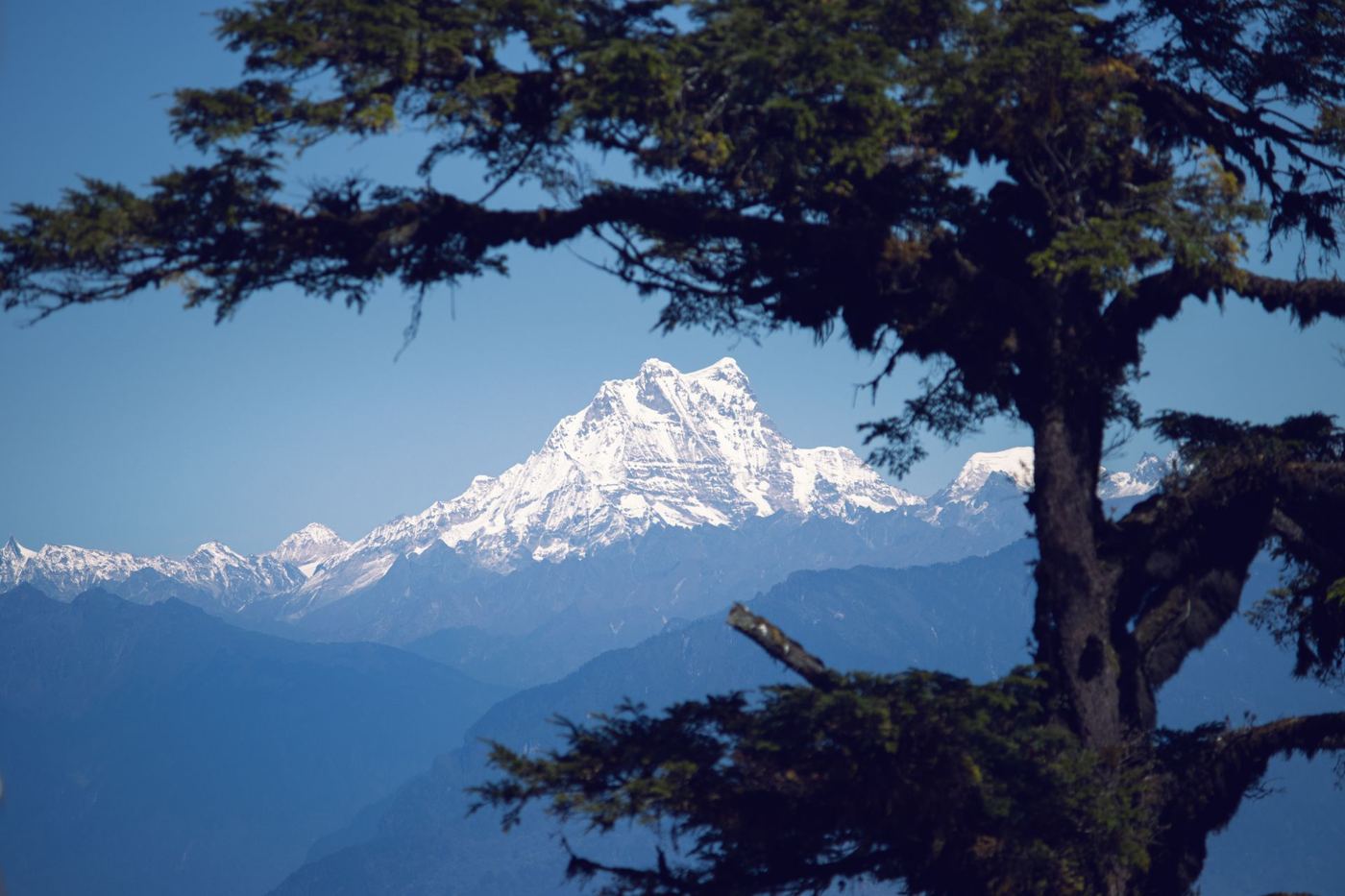
Bhutan's classic trek to the Jomolhari base camp at over 4,000 metres, among yak herders, glacial lakes and passes above 4,800 metres.
 9 daysModerate
Eastern Bhutan
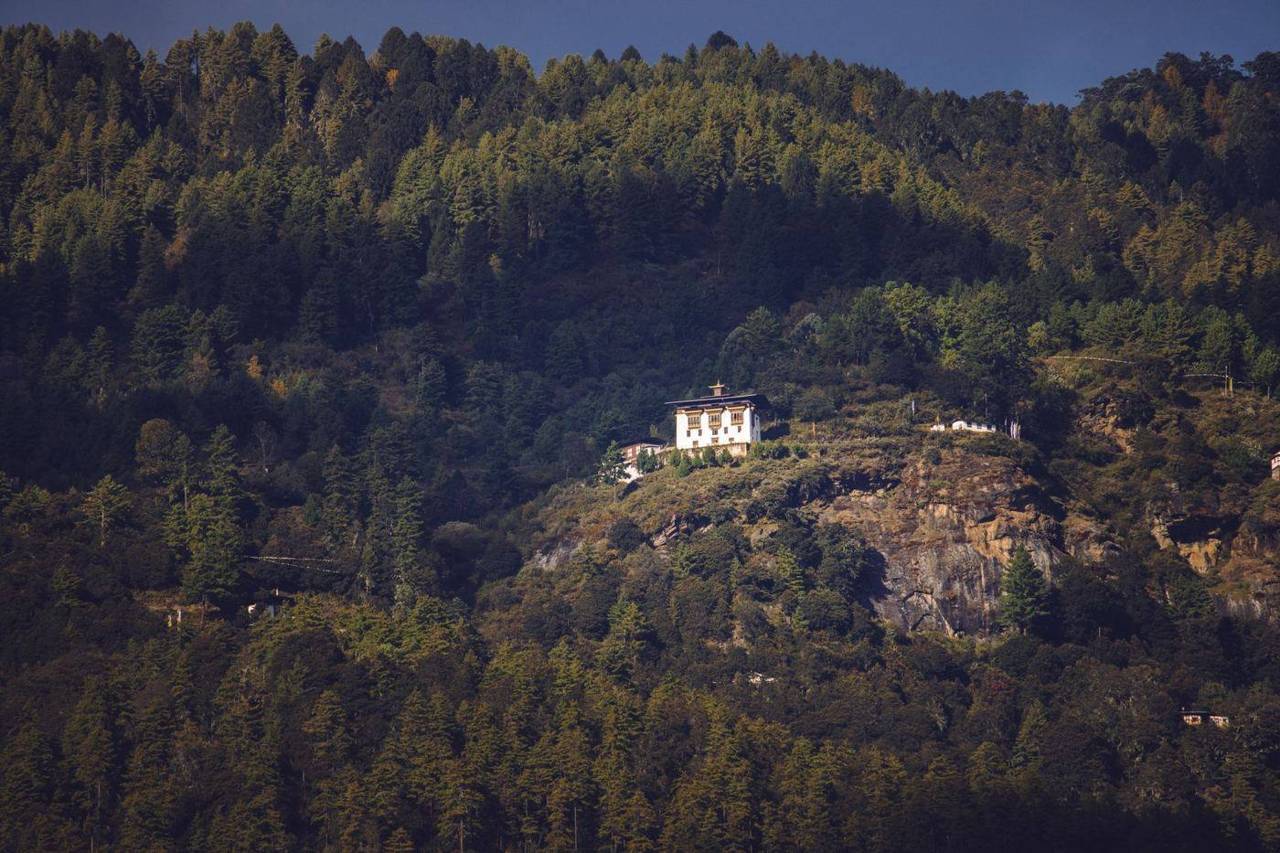
The least visited part of the kingdom: the road from Bumthang to Mongar, Trashigang dzong, the Gom Kora chorten and Trashi Yangtse valley with its craftspeople.
 7 daysModerate
The Trans Bhutan Trail
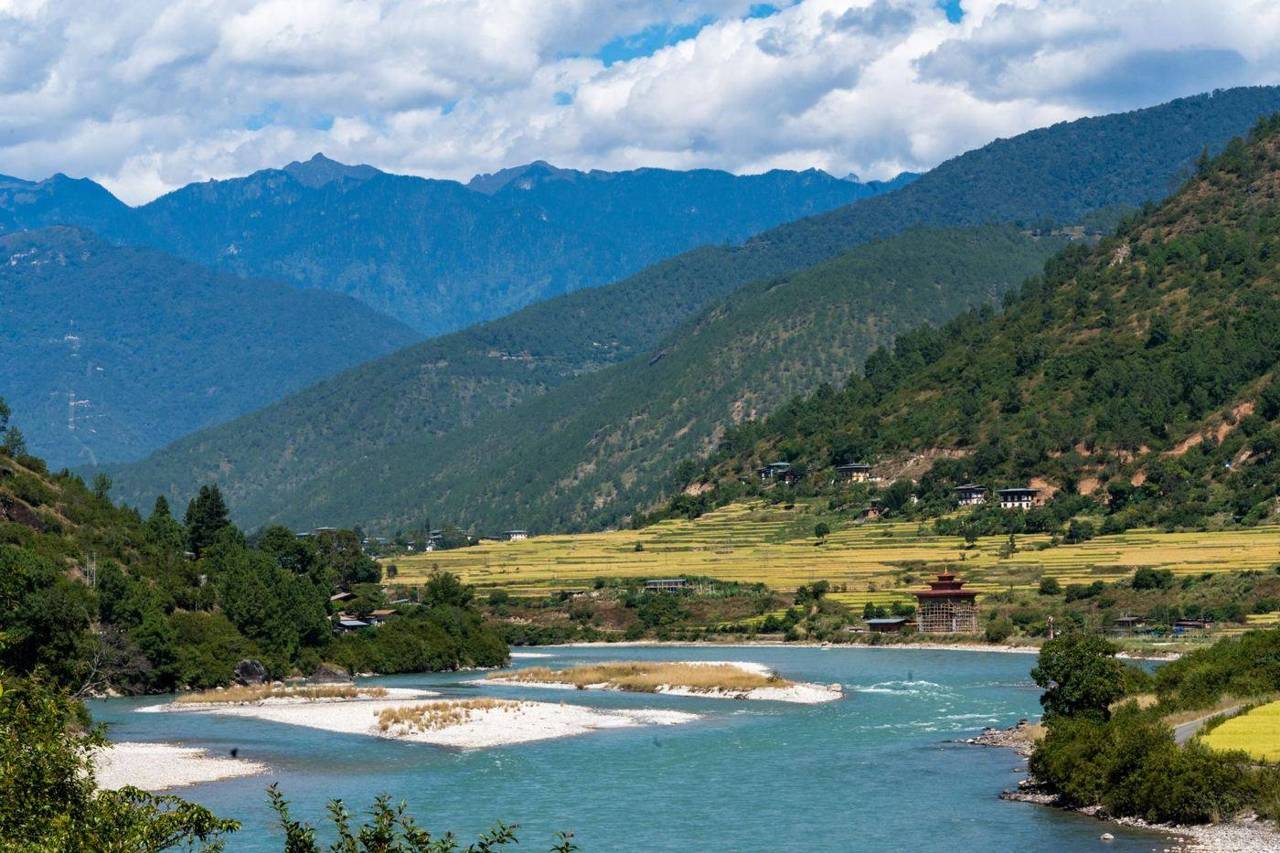
Sections of the ancient trail that crossed the kingdom, reopened in 2022: through villages, dzongs and passes, from Thimphu to Punakha and towards Phobjikha valley.