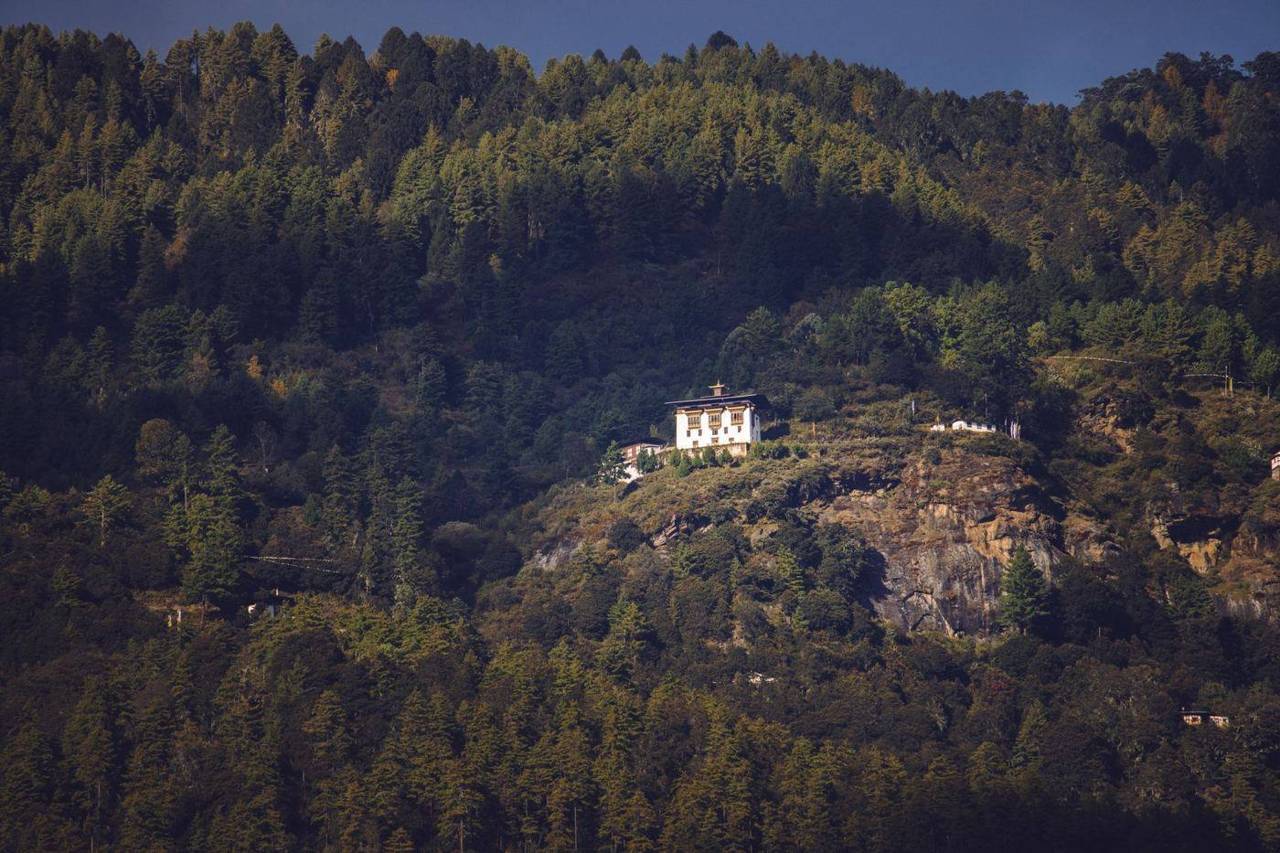
Eastern Bhutan
The least visited part of the kingdom: the road from Bumthang to Mongar, Trashigang dzong, the Gom Kora chorten and Trashi Yangtse valley with its craftspeople.
- Bumthang
- Mongar
- Trashigang
- Trashi Yangtse
- Samdrup Jongkhar
Day by day
- Day 1
Bumthang, the starting point
This nine day trip crosses eastern Bhutan, the least visited part of the kingdom. You start from Bumthang, cross the Thrumshing La pass towards Mongar, visit Trashigang Dzong, the Gom Kora shrine and the Trashi Yangtse valley with its craftsmen, then go down to Samdrup Jongkhar and leave overland into India.
Before you go: for Bhutan you need a passport valid for at least six months after you leave the country and a visa, applied for in advance online on the official immigration portal; it costs 40 dollars, non refundable, and is stamped on arrival. For every night you pay the Sustainable Development Fee, the SDF: 100 dollars a night for an adult, 50 for children aged 6 to 11, while children under 6 do not pay; the government has confirmed this rate until 31 December 2029. You must be accompanied at all times by a licensed guide, but you do not have to book through a tour operator: you can arrange certified hotels, a guide and a car yourself. Insurance is not compulsory, but it is strongly recommended. Other nationalities should check their own rules.
To leave into India you also need an Indian visa valid for entry by land: check with the Indian authorities that your type of visa is accepted at the Darranga border post, in Assam, opposite Samdrup Jongkhar. Today tourists do not need a route permit to travel around Bhutan; a guide remains compulsory in the east too.
Today you stay in the Bumthang valley. Visit Jakar Dzong on the hill and the old temples on the valley floor, then rest.
Practical tip: there are few cash machines in the east. Bring enough cash for the whole trip.
- Day 2
The Thrumshing La pass and the descent to Mongar
Today is the longest and most spectacular day on the road. You leave Bumthang early and pass through Ura, a village of stone houses with wooden roofs, gathered around a temple, in a valley of pastures. Make a short stop to walk among the houses.
Then the road climbs through the forest of Thrumshing La National Park to the pass, at over 3,700 metres, one of the highest road passes in the country. Prayer flags flutter above woods of fir and rhododendron. With a clear sky you see the northern mountains far away.
From the pass a very long descent begins. In a few hours you drop thousands of metres, from cold forest to subtropical woods with giant ferns, orchids and waterfalls. The road passes beneath the rock walls of Namling, cut halfway up the slope above the void. It is one of the most impressive stretches in Bhutan.
At the bottom of the valley you cross the river at Lingmethang and climb again towards Mongar, a small town built on a slope. If you arrive in time, visit the dzong, built in the traditional style.
In this area the forest is rich in birds: if you are interested, ask your guide to stop in the best stretches.
Practical tip: the road is slow and narrow, and in the rainy season it can have landslides. Travel in daylight, avoid driving at night and always keep a jacket: it is cold on the pass even in summer.
- Day 3
From Mongar to Trashigang
Today you continue east. The road climbs to the Kori La pass, covered in prayer flags, then drops through fields of maize, rice paddies and villages clinging to the slopes. The landscape is warmer and greener than in central Bhutan.
On the way, if your guide suggests it, you can make a detour to Drametse, a monastery on a ridge that is home to a masked dance with drums, the Drametse Ngacham, recognised by UNESCO as intangible cultural heritage. It is a detour on a mountain road: weigh up the time with your guide.
In the afternoon you reach Trashigang, the largest town in the east. The dzong, built in the seventeenth century, stands on a spur of rock above the meeting of two rivers and dominates the valley. Go in with your guide, shoulders and knees covered, and look at the courtyards and temples where the monks live. You cannot take photographs inside the temples.
In the evening take a walk in the centre. In the market and in the streets you often see people from Merak and Sakteng, the herding communities of the uplands, with their spiked yak felt hats and red wool clothes.
Trashigang is lower and warmer than Bumthang. In spring and autumn the evenings are mild.
Practical tip: always ask permission before photographing people, especially the elderly and those in traditional dress. A smile and a gesture are enough.
- Day 4
The Gom Kora shrine
Today you visit Gom Kora, one of the best loved sacred places in eastern Bhutan, on the bank of the river north of Trashigang. The temple stands among rice paddies and trees, beside a large black rock.
According to tradition, Guru Rinpoche meditated here and defeated a demon that lived in the rock. The faithful point out marks and shapes on the stone linked to the saint's story. Around it, pilgrims walk clockwise and stop to pray. Follow your guide, who explains the meaning of each sign.
Every year Gom Kora hosts a religious festival with thousands of pilgrims from the east and from across the border. The dates follow the lunar calendar: if you are interested, check the dates before you leave.
In the afternoon head back towards Trashigang. If you have time, visit Rangjung monastery, on the hill above the river, where many young monks study, or take a walk in a nearby village.
The east is the land of the Sharchop, the people who speak Sharchopkha, a language different from the Dzongkha of the west. Listen to your guide talking to local people: they often switch language.
In the evening you sleep in Trashigang again. Try ezay, the chilli sauce, and rice with seasonal vegetables.
Practical tip: at sacred places always keep the monument on your right, walk clockwise and do not point at sacred images with your finger.
- Day 5
Trashi Yangtse and Chorten Kora
Today you head north into the Trashi Yangtse valley, close to the border with the Indian state of Arunachal Pradesh. The road follows the river, then climbs through woods and cultivated terraces. The valley is narrow, green and quiet.
The most famous monument is Chorten Kora, a large white stupa built in the eighteenth century on the model of the Boudhanath stupa near Kathmandu. According to a legend, a young woman who came from across the border offered to be buried inside to protect the valley.
Walk round the stupa with the local people. Every year a festival is held here in which pilgrims circle the chorten for days; the dates follow the lunar calendar, so check them.
In the afternoon visit the old dzong of Trashi Yangtse, smaller and older than the new one, in an isolated spot above the river. If it is open, go in with your guide.
Trashi Yangtse is also a protected area. Further north, in the Bumdeling valley, black necked cranes spend the winter. If you travel between November and February, ask your guide whether you can watch them from a distance, following the rules of the protected area.
In the evening you sleep in the valley. It is one of the quietest corners of the country.
Practical tip: the valley is cooler than Trashigang. Bring a jumper for the evening, even in spring.
- Day 6
The craftsmen of Trashi Yangtse
Today you meet the craftsmen who made the valley famous. Trashi Yangtse is known all over Bhutan for its turned wooden bowls, called dapa, and for lacquered objects, used to serve rice and food at festivals.
Visit the Trashi Yangtse institute of the thirteen traditional arts, where young people study painting, sculpture, wood turning, embroidery and other old crafts. Watch the students at work, quietly, and ask your guide before taking photos. Check prices and times.
Then, if your guide arranges it, visit a family workshop in a village. You see how wood from knots and roots is hollowed on the lathe and then polished with lacquer. Some families also make traditional paper from the bark of a local shrub.
If you want to buy something, buy it directly from the craftsmen. A wooden bowl or a sheet of handmade paper is a light and original souvenir. Do not bargain aggressively: the prices reflect weeks of work.
In the afternoon walk along the river or among the terraces, or go back to Chorten Kora to see it in the evening light.
Practical tip: bring a soft bag or a cloth to wrap the wooden bowls. On long car journeys they protect the objects from knocks.
- Day 7
Kanglung and the textiles of Khaling
Today you begin the long descent south. You go back to Trashigang and take the road to Samdrup Jongkhar. The journey to the border is long, so you split it over two days.
The first stop is Kanglung, home to Sherubtse College, the country's first higher education institution, on a plateau with views of the valleys. Stop for a walk among the buildings and watch the students' life, with traditional dress worn in class too.
Then continue to Khaling, famous for weaving. Here there is a national centre devoted to handwoven textiles, where women work at the loom with cotton, silk and wool threads dyed with natural colours. Watch how the geometric patterns of the kira, the dress of Bhutanese women, are made. Check prices and times.
In the surrounding villages you often see looms in front of the houses. Many families in the east still live from weaving and farming.
At night you sleep along the road south, according to the stages agreed with your guide. In this part of the trip the stops are simple: the choice of places to stay is limited.
Practical tip: handwoven textiles are expensive, because a large piece takes months of work. If you buy one, ask for a receipt and check the export rules with your guide.
- Day 8
The descent towards Samdrup Jongkhar
Today you come down from the mountains towards the plain. The road passes through Wamrong, then drops in hairpins through the forest, ever warmer and more humid. The landscape changes again: tall trees, creepers, bamboo groves and, far below, the Indian plain opening on the horizon.
The road is long and in places narrow, with lorries climbing towards the east. In the rainy season landslides are frequent: follow your guide's instructions and accept stops when needed.
In the afternoon you reach Samdrup Jongkhar, the most important border town in eastern Bhutan. It is small and lively, with a large market and a temple dedicated to Guru Rinpoche, the Zangdopelri, shaped like his paradise. Visit it with your guide and walk round the prayer wheels.
As in other border towns, the climate is hot and the pace different from that of the valleys. You already feel the closeness of Assam, with its languages, its food and its traffic.
In the evening prepare your documents for tomorrow: passport, Bhutanese visa for the exit stamp, Indian visa and a copy of your onward travel booking.
Practical tip: keep your documents in a waterproof folder close at hand. At the border you will be asked to show them several times.
- Day 9
Leaving for India
Today you leave Bhutan. With your guide you go through the Bhutanese immigration office in Samdrup Jongkhar, where you get your exit stamp. Then you cross the border and go through the Indian checks at the Darranga border post, a short walk from the town gate. Office hours can change: your guide confirms them the day before.
From Assam you continue to Guwahati, the main city of the region, a few hours' drive away, with an airport and trains to the rest of India.
Trip summary: in nine days you have crossed eastern Bhutan, the most remote part of the kingdom. You set off from Bumthang, crossed the Thrumshing La pass and the walls of Namling to Mongar, visited Trashigang Dzong, the Gom Kora shrine, Chorten Kora and the woodworkers of Trashi Yangtse, the textiles of Khaling, and came down to Samdrup Jongkhar and India. It is a trip for those who have already seen classic Bhutan and are looking for real villages and few tourists.
When to go: the best months are October and November, with clear skies and dry roads, and March and April, with nature in flower. From June to September the monsoon brings heavy rain and landslides on the mountain roads. In winter the Thrumshing La pass can have snow and ice.
Before you go, check the latest travel advice on GOV.UK for Bhutan and for India.
Practical tip: arrange transport from Darranga to Guwahati in advance. At the border you will not always find a suitable vehicle straight away.
For those who have seen the classic part and want authentic Bhutan. Many hours on mountain roads. Leaving overland into Assam requires valid Indian documents.
Before you go
- Documents and visa
- Passport valid for at least six months after you leave the country and a visa applied for in advance online on the official immigration portal (40 dollars, non refundable), stamped on arrival. Sustainable Development Fee (SDF): 100 dollars a night per adult, 50 for children aged 6 to 11, nothing under 6, confirmed until 31 December 2029. A licensed guide is compulsory for the whole trip; booking through a tour operator is not.
- Health and vaccines
- No compulsory vaccinations if you arrive from the UK. Watch out for altitude on passes above 3,000 metres: climb slowly and drink plenty. Drink bottled or boiled water. Insurance is no longer compulsory but is strongly recommended, covering medical costs and evacuation. Emergencies: ambulance 112, police 113, fire 110.
- Money and payments
- Ngultrum, equal in value to the Indian rupee, which is accepted almost everywhere. Cards work in hotels and some city shops; elsewhere you need cash. Bring dollars or euros to change.
- Power sockets
- Types D, F and G, 230 volts: British plugs often fit, but bring a universal adapter.
- Time zone
- UTC+6 all year, six hours ahead of the UK in winter, five in summer.
- Safety
- Bhutan is a safe country with low crime, and the UK does not advise against any area. The main risk is the mountain roads, narrow and slow, with landslides in the monsoon: avoid travelling at night. Guides are compulsory for visiting places of interest. Official advice: GOV.UK.
Information checked in November 2026 for Italian and EU citizens. Rules change: always check before you travel.
Variations
Shorter version: six days, from Bumthang to Trashigang and Trashi Yangtse, returning by air or by road.
Longer version: add three days for a walk towards Merak and Sakteng, if local rules allow it.
Frequently asked questions
Do I need special permits for eastern Bhutan?
Today tourists do not need a route permit to travel around the country, but a licensed guide remains compulsory. For protected areas your guide applies for the necessary permits.
Can I leave for India from Samdrup Jongkhar?
Yes, the Darranga border post in Assam is open for the entry and exit of foreign tourists. You need an Indian visa valid for entry by land: check it with the Indian authorities.
Are the roads safe?
They are narrow, slow and prone to landslides in the monsoon. Travel by day, with an experienced driver, and allow time for delays.
Indicative itinerary written by World Atlas. Before booking, check timetables, seasonal openings, documents and safety.
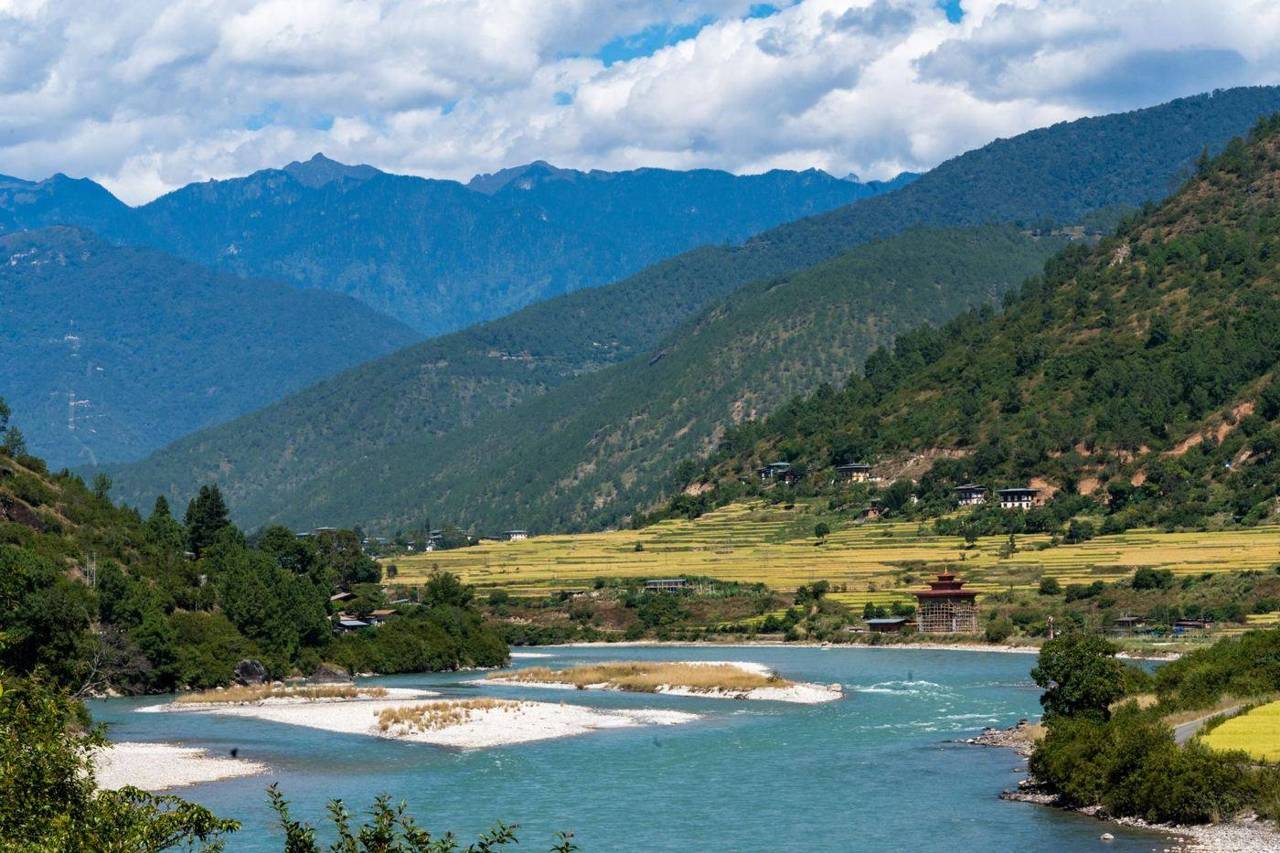 7 daysModerate
The Trans Bhutan Trail
Sections of the ancient trail that crossed the kingdom, reopened in 2022: through villages, dzongs and passes, from Thimphu to Punakha and towards Phobjikha valley.
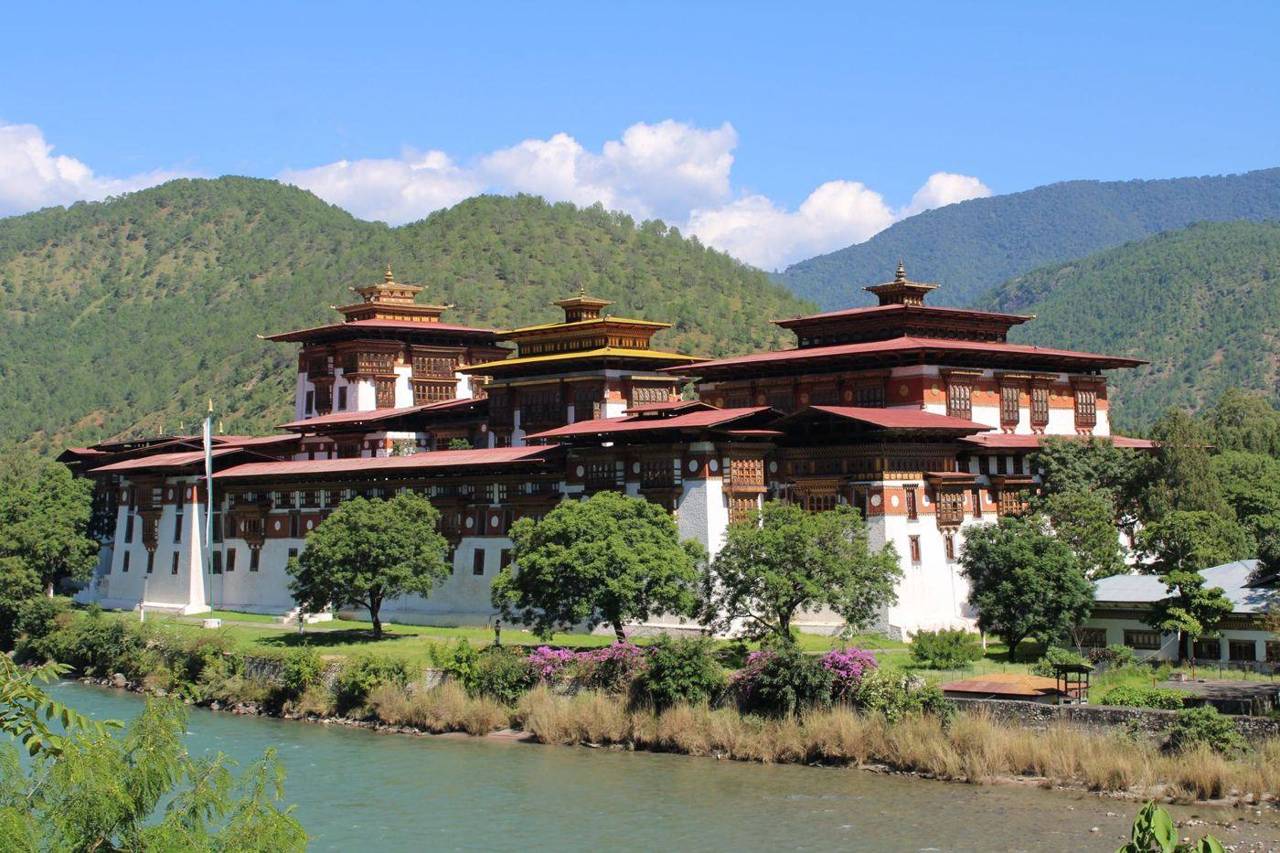 6 daysEasy
Bhutan in winter
Clear skies and few tourists: the black-necked cranes in Phobjikha valley, mild Punakha among orange trees and the Trongsa or Punakha festival depending on the year.
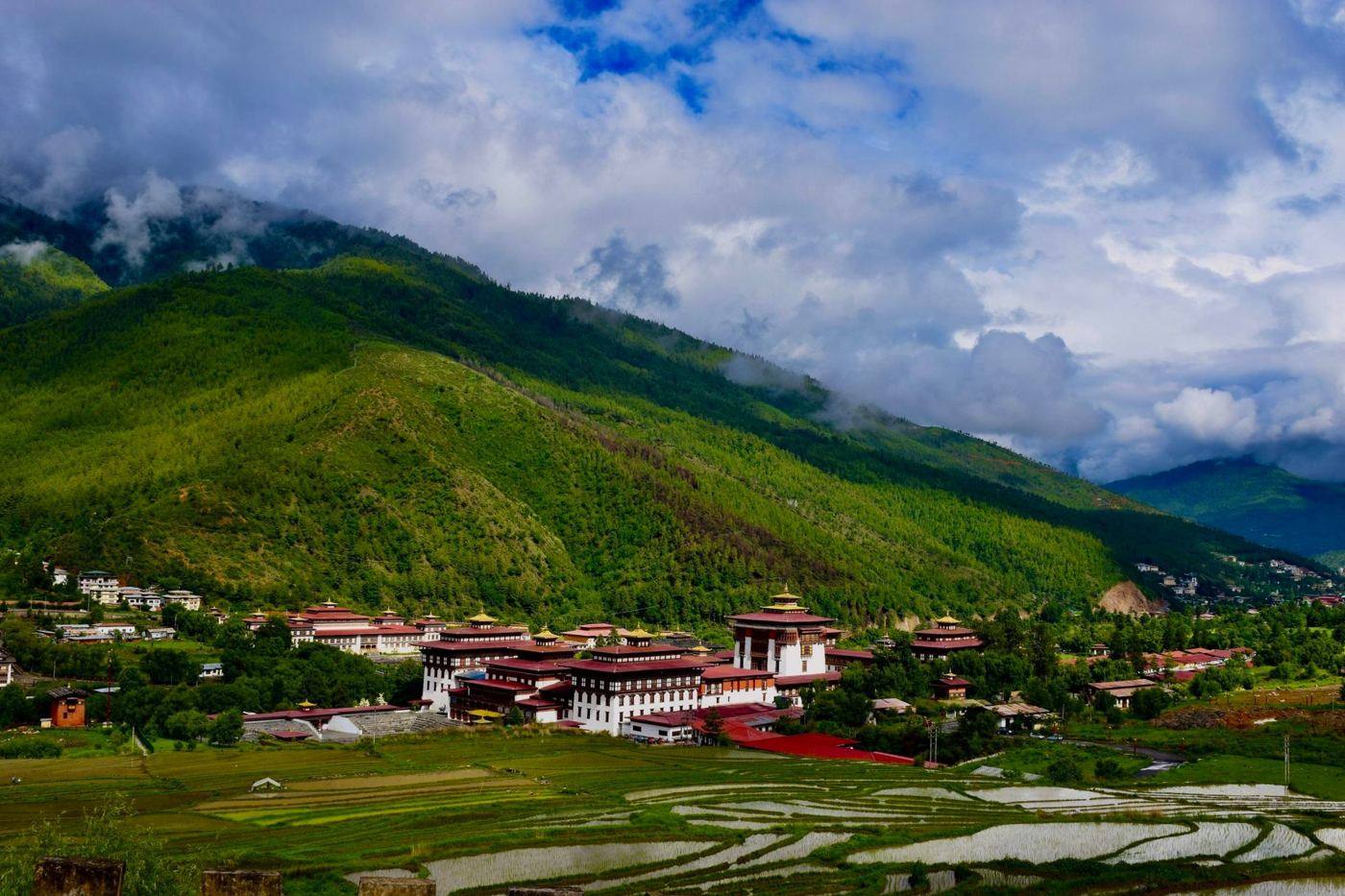 3 daysEasy
Thimphu and its crafts
The capital without traffic lights: the school of the thirteen arts, the textile museum, the traditional paper factory, the Buddha Dordenma and the weekend market.