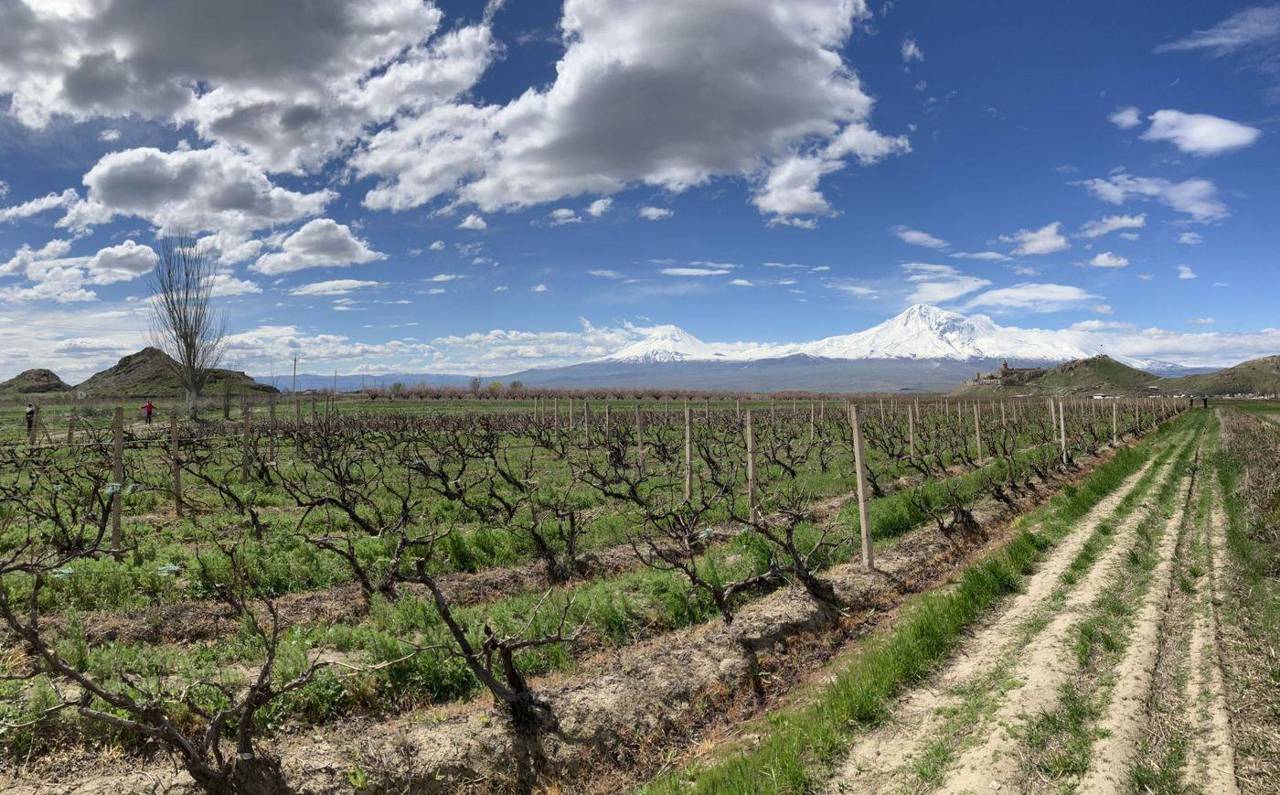
Areni wine and Jermuk
Areni-1 cave, where one of the world's oldest wineries was found, the wineries of Vayots Dzor, and the spa town of Jermuk with its waterfall.
- Yerevan
- Areni
- Yeghegnadzor
- Jermuk
Day by day
- Day 1
The Areni-1 cave and the first tastings
This four-day trip takes you to Vayots Dzor, the wine region in the south of Armenia: the Areni-1 cave, where one of the oldest wineries in the world was found, the vineyards and wineries around Yeghegnadzor and the spa town of Jermuk, with its waterfall and its gorge.
Before you go: Italian citizens can enter Armenia only with a passport, valid for the whole stay: an identity card is not enough. EU citizens do not need a visa for tourism, for up to 180 days in a year. Other nationalities should check their own rules.
Some areas on this trip are close to borders or places where the situation changes often: check your government's travel advice before booking and again before you leave.
In the morning leave Yerevan heading south, by car or with a driver. The road crosses the Ararat plain, then climbs among dry hills and red rocks. In about two hours you reach Areni, a village of vineyards along the Arpa river.
Visit the Areni-1 cave, in a rock face above the river. Here archaeologists found the remains of a winery about 6,000 years old, with vats for pressing grapes and large jars, and also a leather shoe more than 5,000 years old, one of the oldest known. Check prices and times.
In the afternoon taste the village wines, made mainly from the red areni grape, grown here for centuries. Then, if you have time, drive up to Noravank monastery, in the red gorge nearby. Sleep in Areni or Yeghegnadzor.
Practical tip: inside the cave the floor is uneven and there is little light; wear closed shoes, bring a small torch and ask first whether you may take photos.
- Day 2
The wineries of Vayots Dzor
Today you spend the day on wine and on the landscapes of the region.
In the morning visit one or two wineries around Areni and Yeghegnadzor. Some are small family estates, others are modern wineries that have brought Armenian wine back to its old standards. Walk between the rows, discover the local grapes, such as areni and the white voskehat, and look at the clay amphorae called karas, still used today by some producers. Book visits in advance and check prices and times.
At lunch try the food of the region: khorovats, meat grilled over embers, lavash, mountain cheeses and fresh herbs. Between tastings drink plenty of water, and do not drive if you have been drinking: in Armenia the rule is very strict.
In the afternoon head north to the Vardenyats pass, where you find the Selim caravanserai, from 1332. It is a long, low basalt building that gave shelter to merchants and their animals on the road between Vayots Dzor and Lake Sevan. Step into the dark hall with its columns and stone mangers.
Return to Yeghegnadzor for the evening. Sleep in Yeghegnadzor.
Practical tip: if you want to visit several wineries on the same day, take a driver; distances are short but the mountain roads are narrow, and in the evening the light fades quickly.
- Day 3
Jermuk, the waterfall, the waters and the gorge
Today you climb to the most famous spa town in Armenia.
In the morning leave Yeghegnadzor and carry on east, along the Arpa valley. The road climbs through pastures and woods to Jermuk, at about 2,000 metres, on a plateau cut by a deep gorge. Jermuk is known across the former Soviet Union for its warm mineral water, which people drink and use for treatments.
Start at the water gallery, a colonnade where the water comes out of small fountains at different temperatures: taste it, it has a strong mineral flavour. Then walk to the Jermuk waterfall, which falls in several drops down a rock face on the edge of town.
In the afternoon take a walk on the paths of the Arpa gorge, among woods, bridges and viewing terraces. If you have a car, you can also visit Gndevank monastery, from the tenth century, on a cliff above the river, along the road to Jermuk. Check prices and times.
Jermuk is close to the border area: stay in town and on the main roads, do not venture onto tracks to the east and follow local advice. In the evening try a bath in one of the town's thermal pools, or sit on a terrace above the gorge and watch the sunset over the mountains. Sleep in Jermuk.
Practical tip: Jermuk is cool even in summer and nights are cold in spring and autumn; bring a jacket and, if you want a thermal bath, a swimsuit.
- Day 4
Back to Yerevan
Today you come down from the mountains and return to the capital.
In the morning take a last walk in Jermuk, perhaps by the artificial lake or in the park above the gorge, while the town is still quiet. Then take the road west again, along the Arpa valley and then through Yeghegnadzor and Areni.
If you did not see it on day 1, stop at Noravank monastery, in the gorge of red rock. The two-storey church of Surb Astvatsatsin has a narrow staircase on its facade, and the doorways are decorated with carved figures. The monastery dates from the thirteenth century. Check prices and times.
On the road to Yerevan stop at Khor Virap monastery, facing Mount Ararat, which looks very close when the sky is clear. You reach Yerevan in the afternoon.
Over these four days you have seen the Armenia of wine: the Areni-1 cave with its very ancient winery, the vineyards and wineries of Vayots Dzor, the Selim caravanserai on its pass and the spa town of Jermuk, with its waterfall and gorge.
When to go: the best period is from May to October. Early October is the time of the grape harvest and the Areni wine festival, with music, stalls and tastings in the village. In summer the valleys are hot and Jermuk is cool. In winter the Vardenyats pass can be covered in snow.
Practical tip: buy wine directly at the wineries and ask for a travel box; put it in your checked luggage, well wrapped in clothes.
Armenian wine is ancient and carefully made today. Jermuk is close to the Azerbaijani border: check current advice before going. It combines with the trip to Tatev.
Before you go
- Documents and visa
- Passport valid for the whole stay. British citizens can visit without a visa for up to 180 days in a year for tourism or business.
- Health and vaccines
- No compulsory vaccinations; ask your doctor about hepatitis A and B and diphtheria. Medical facilities are limited outside Yerevan: you need insurance covering medical costs and repatriation. Do not drink tap water and avoid ice. Emergencies: 911.
- Money and payments
- Armenian dram: payments in other currencies are not allowed. Euros and dollars are easy to change in Yerevan. Visa and Mastercard work well in the capital, much less elsewhere: carry cash outside the city.
- Power sockets
- Types C and F, 230 volts: you need an adapter for British plugs.
- Time zone
- UTC+4 all year, four hours ahead of the UK in winter, three in summer.
- Safety
- The UK advises against all travel within 5 km of the entire eastern border with Azerbaijan and along the road between Ijevan and Noyemberyan. The borders with Azerbaijan and Turkey are closed. The United States advises increased caution and says not to travel to the border with Azerbaijan. Yerevan is not in these areas. Official advice: GOV.UK.
Information checked in November 2026 for Italian and EU citizens. Rules change: always check before you travel.
Variations
In 3 days: Areni-1, the wineries and a night in Jermuk, without the Vardenyats pass.
In 6 days: combine this trip with the one to Goris and Tatev, carrying on south from Jermuk.
Frequently asked questions
When is the Areni wine festival?
Usually at the beginning of October, during the grape harvest. Check the exact date each year before you go.
Can you drink the Jermuk mineral water?
Yes, at the water gallery small fountains run at different temperatures. It has a strong mineral taste: try it in small sips.
Do I need a car for this trip?
It is very handy, but for tastings a local driver is better, also because the rules on drink driving are strict.
Indicative itinerary written by World Atlas. Before booking, check timetables, seasonal openings, documents and safety.
 3 daysModerate
The Dilijan trek
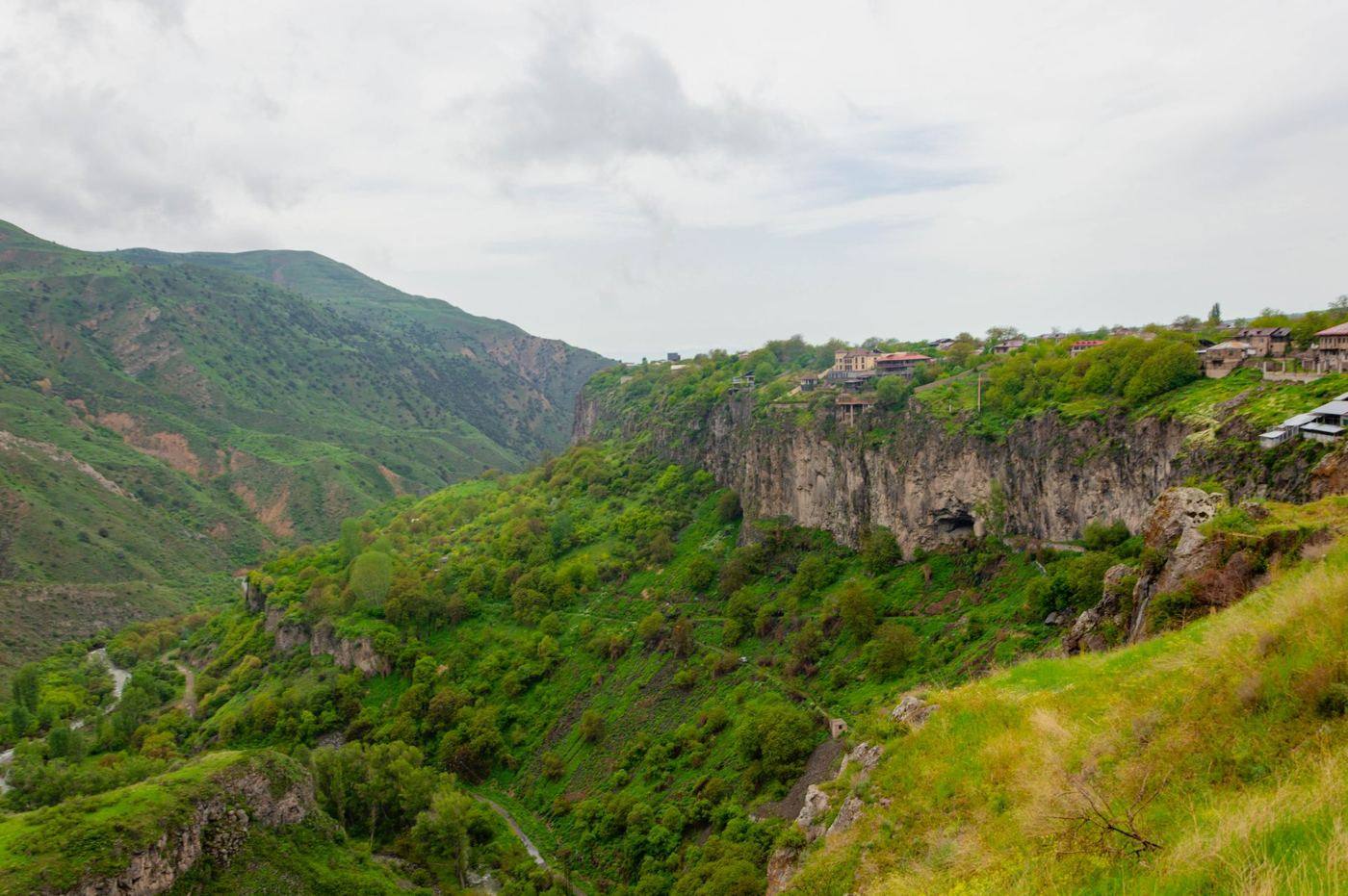
A waymarked section of the Transcaucasian Trail in Dilijan National Park, from Lake Parz to Goshavank monastery, through beech forests and villages.
 3 daysEasy
Yerevan food trip
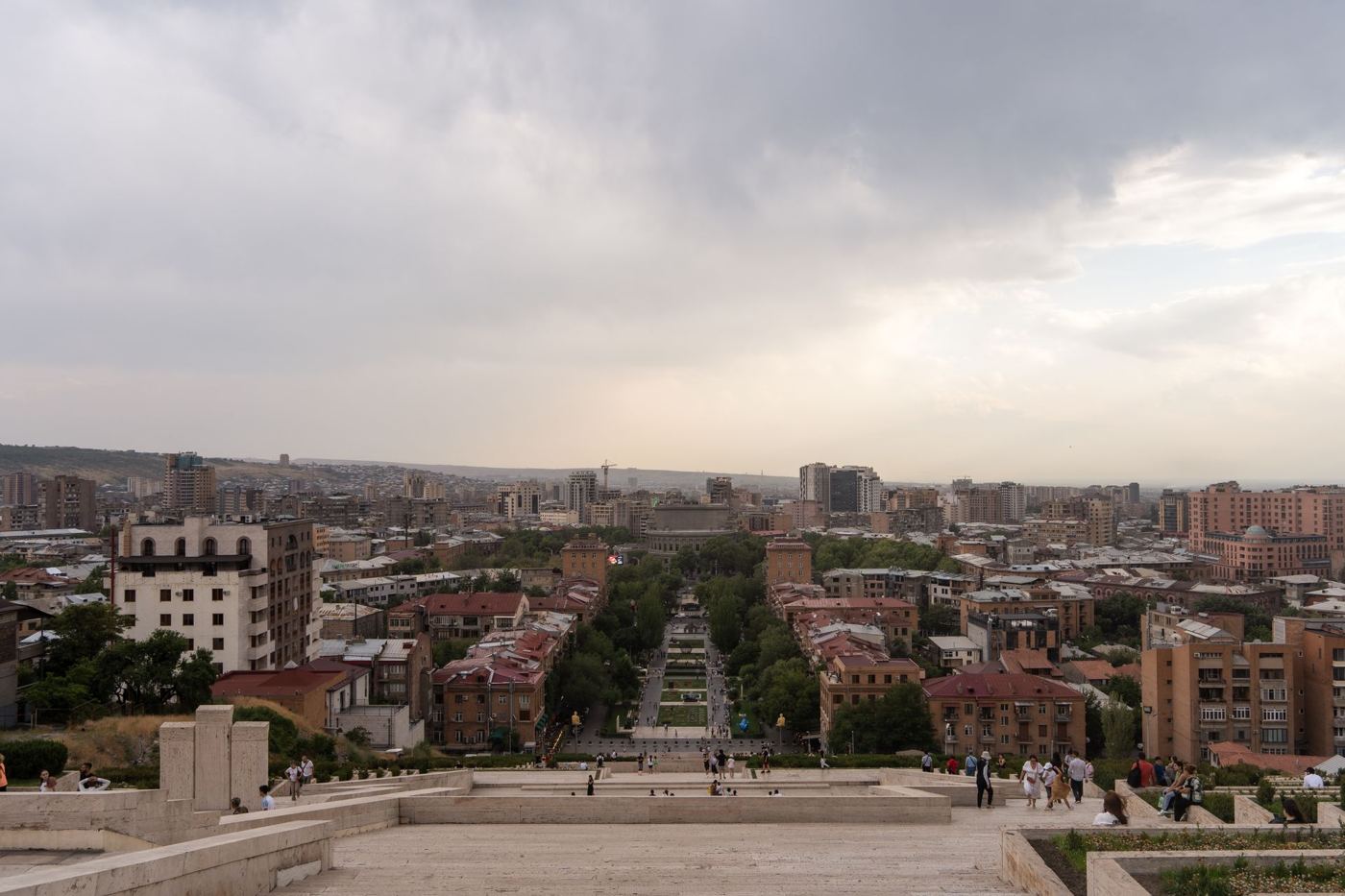
The Armenian capital through its food: the GUM market, lavash baked in the tonir, Ararat brandy, the cafés of the Cascade and the Vernissage market.
 3 daysEasy
Lake Sevan and Noratus
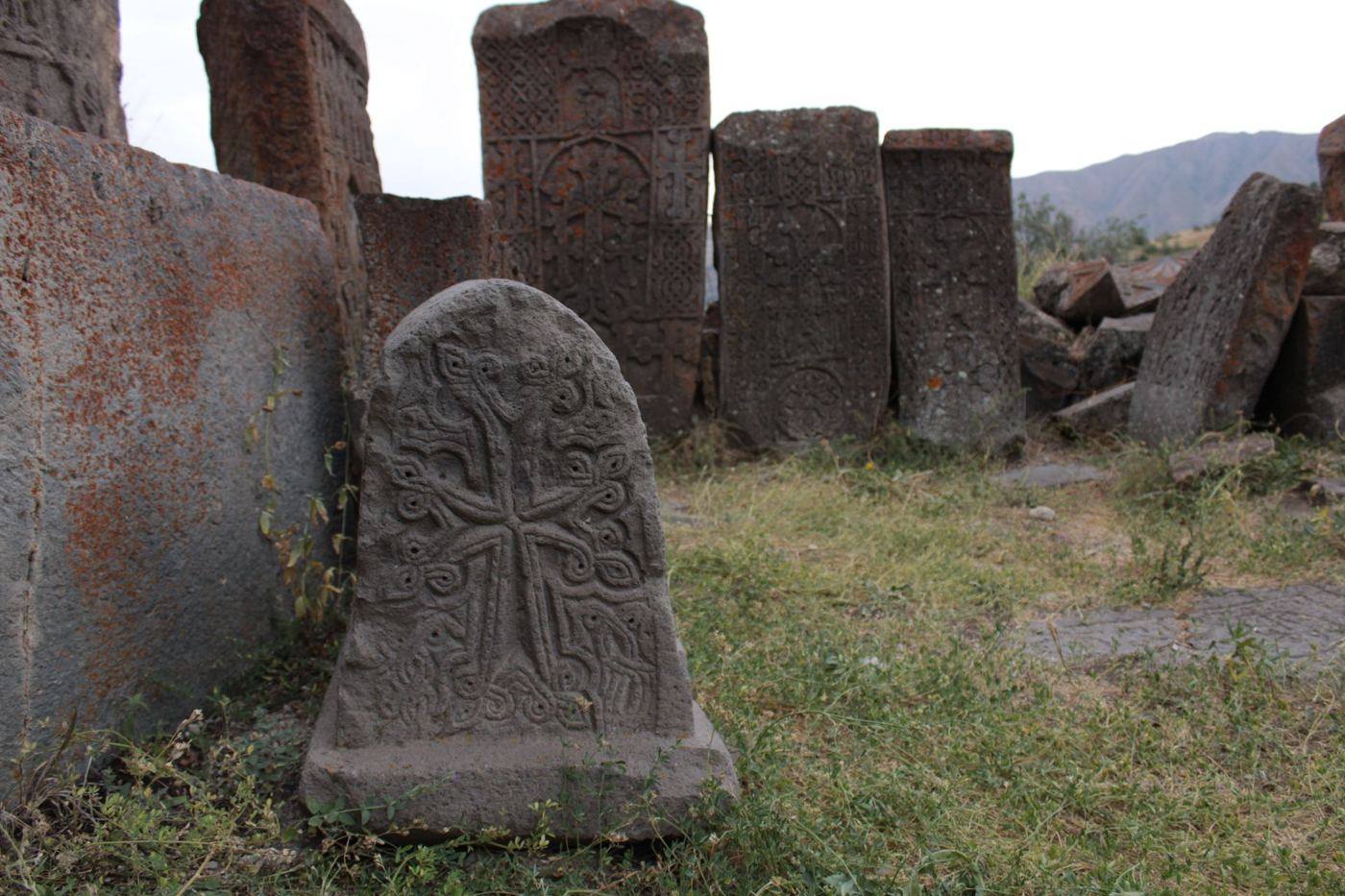
The western shore of the great high-altitude lake: the Noratus field of hundreds of khachkar stone crosses, Hayravank and the beaches of Shorzha.